Ethiopia Poultry House Design: Layout, Ventilation, Cage System, And Cost
Ethiopia poultry house and Ethiopia poultry house design are central to optimizing productivity, health, and cost-efficiency.
This article covers four key topics: layout, ventilation, cage system, and cost, enriched with practical Ethiopian-style poultry-farm knowledge.
We include real-world data and a farm case study to illustrate how Ethiopia poultry house design is applied in practice.
It also explores IoT-enabled smart poultry control systems, aligning with global and local trends.
Finally, we highlight the strength of a turnkey equipment provider that can support your Ethiopia poultry venture.
Ethiopia Poultry House Layout
When designing an Ethiopia poultry house, layout is foundational. A smart layout ensures good bird welfare, manageable biosecurity, and efficient labor use.
A well-organized house in an Ethiopian context typically uses 12–15 birds per m² in a layer setup, balancing density with welfare.
In commercial operations, feeder lines and drinker lines are laid out so that each bird has access without excessive queuing.
Proper aisle width (around 1.5 m) helps workers move feed trolleys, collect eggs, and inspect birds safely.
A storage area close to the house holds feed, medical supplies, and bedding, reducing time spent fetching.
The building orientation often reflects local sun paths: placing long sides east–west helps reduce overheating from morning/afternoon sun.
Data is for reference only. Swipe horizontally to view full table.
Ventilation Design For Ethiopia Poultry House
Ventilation in an Ethiopia poultry house is particularly important given the country's varied climates.
In hot months, mechanical ventilation is frequently needed; in cooler seasons natural ventilation helps conserve energy.
For a 60–120 m long house, installing 8–16 exhaust fans maintains proper airflow and prevents heat accumulation.
Inlet vents should be placed low (around 0.8 m) and exhausts high (above 3 m) to regulate airflow efficiently.
Maintaining 20–45 air changes per hour (ACH) is standard in modern Ethiopia poultry houses to control ammonia and humidity.
Ridge vents and side-wall netting can supplement forced ventilation during mild weather.
Data is for reference only. Swipe horizontally to view full table.
Cage System Options In Ethiopia Poultry House
Choosing the correct cage system is critical for productivity, welfare, and capital cost.
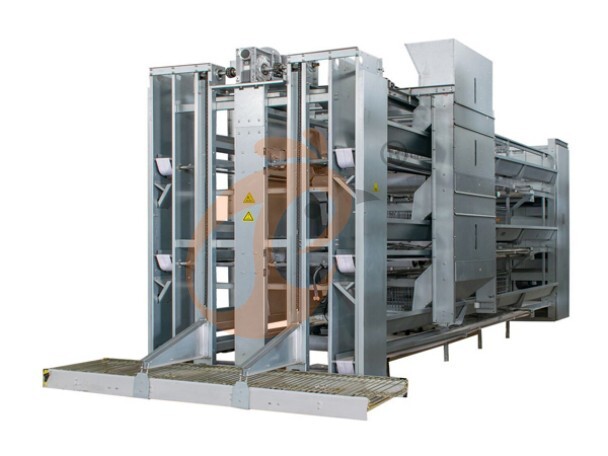
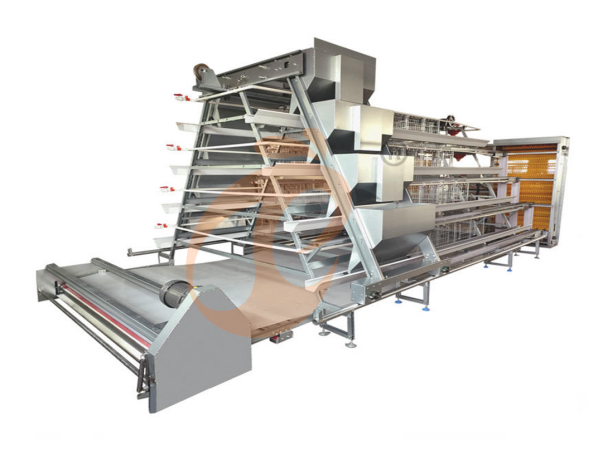
H-type layer cages are increasingly used in Ethiopia for fully automated feeding, watering, egg collection, and manure removal.
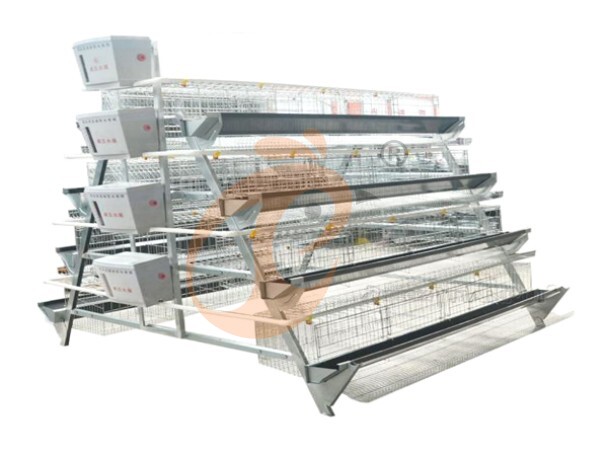
Farms under 30,000 birds use 3–5 tier semi-automatic cages; farms above 30,000 birds adopt 4–16 tier fully automated H/A cages.
Typical cage capacities range from 90–1088 birds per set, depending on automation level.
Semi-automatic A/H systems are suited for 1,000–20,000 birds, while automatic systems can house 10,000–160,000+.
Proper cage selection improves egg production by 10–15% and reduces labor hours by up to 70%.
Data is for reference only. Swipe horizontally to view full table.
Cost Structure For Ethiopia Poultry House Design
Cost estimates include building, cages, feeding, watering, and ventilation systems.
House construction for 10,000–160,000 birds ranges USD 80,000–1,000,000, depending on size and automation.
Full automatic H/A cage costs average USD 3.5 per bird, while regular battery cages cost about USD 3 per bird.
Feeding and drinking systems cost USD 6,000–50,000 depending on automation and house size.
Ventilation and climate control cost USD 9,000–80,000, including fans and smart controllers.
Large farms (200,000+ birds) include feed production, egg/meat processing, automated collection and packaging lines.
Data is for reference only. Swipe horizontally to view full table.
Smart IoT And Control Systems In Ethiopia Poultry House
IoT sensors monitor temperature, humidity, NH₃, CO₂, and feed consumption.
Real-time data uploads allow managers to adjust fans, inlets, feeders, and drinkers automatically.
Smart AI systems detect early disease by analyzing behavior, reducing mortality.
Farms with 30,000+ birds use fully automated manure belts and drying systems.
IoT improves health monitoring, reduces labor, and optimizes feed efficiency.
Data is for reference only. Swipe horizontally to view full table.
Real-World Farm Case In Ethiopia
A layer farm near Addis Ababa uses 10,000 H-type cages, automated feeders, nipple drinkers, and IoT climate control.
Egg production: ~82% peak
Mortality: <2% first 12 weeks
Labor: 3 full-time workers manage what previously required 8
Energy use: IoT optimization reduces electricity by ~15% annually
FAQ
Q1: What size of Ethiopia poultry house is suitable for a beginner farm?
A1: 50–60 m long × 12–14 m wide, housing 8,000–10,000 birds.
Q2: How much does mechanical ventilation cost?
A2: USD 9,000 (~ETB 382,500) for 60×14 m house.
Q3: Can IoT systems pay off?
A3: Yes, they reduce labor, improve health, and cut power wastage.
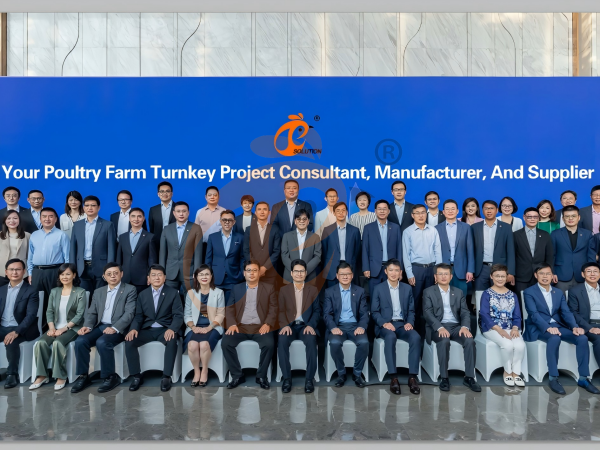
Best Hebei Machinery Manufacturing Plc (China-Ethiopia Branch) - One Of Ethiopia Most Famous Poultry House Design Exporter
Hebei Machinery Manufacturing Plc (China-Ethiopia Branch), located in Addis Ababa (WR93+FQ2), specializes in turnkey Ethiopia poultry farm solutions. They locally produce, sell, deliver, and install high-quality cages, feeding/watering systems, and smart control systems.
Custom layouts for Ethiopia poultry house projects
H-type and battery cages optimized for local conditions
IoT monitoring and smart control integration
After-sale service, training, and spare parts support
Let's talk: how can we help you build your next Ethiopia poultry house?
Contact Us To Received Your Customized Poultry Farm Plan
Headquarters And Branchs
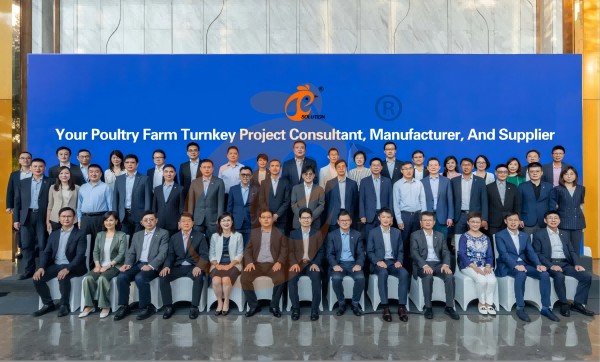
Hong Kong Headquarter Management Team
Hong Kong Headquarter Taiyu Industrial Group CO., LTD
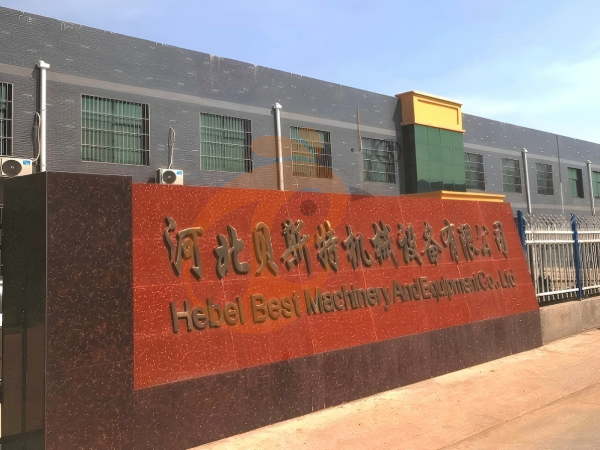
China Hebei Best Machinery And Equipment CO., LTD
Nigeria Vanke Machinery And Equipment CO., LTD
Tanzania Best Machinery And Equipment CO., LTD
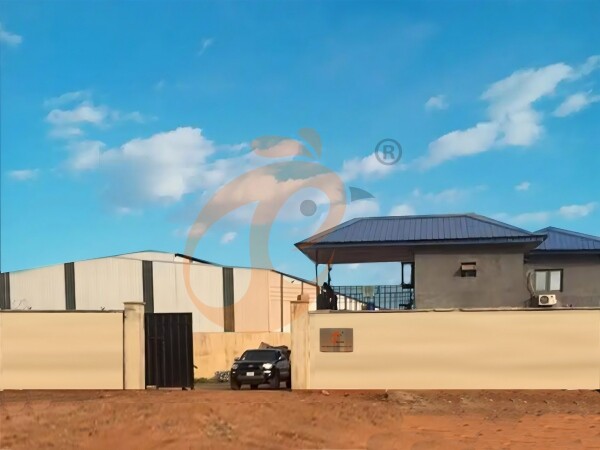
Ethiopia Best Hebei Machinery Manufacturing PLC
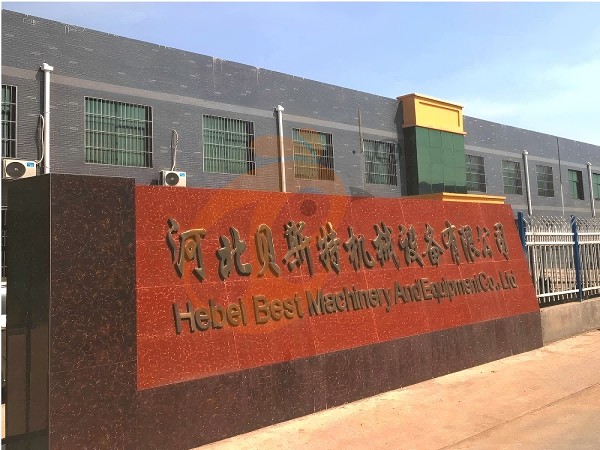
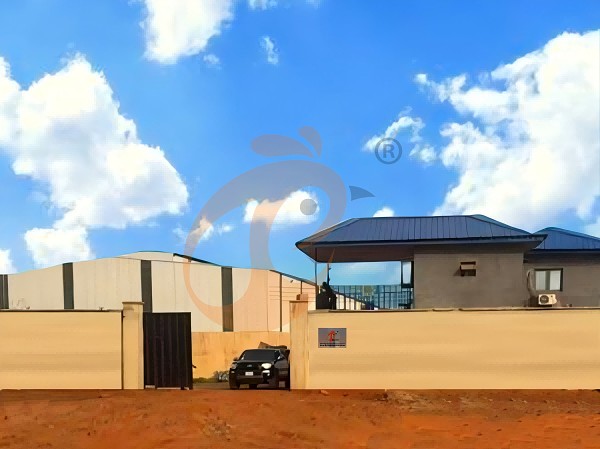
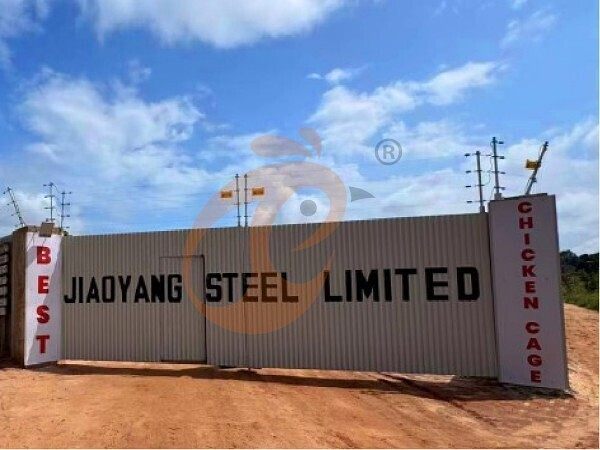
Reception /24 WhatsApp NO. : +8618830120193
MESSAGE
Products recommended
 HK Headquarter Offers EU-standard Poultry Farm Solutions, Manufacture Poultry Farm Equipment1. Continuous communication with the EU and the US
2. China, Nigeria, Ethiopia, Tanzania branch companies and factories
3. The products’ quality is customized for local poultry farms
4. Poultry cage and poultry farm equipment stock for sale
5. 24 online reception Whatsapp NO. : +8618830120193,contact us to get full informationRead More China Branch Offer Poultry Farm Business Plan, Manufacture Poultry Farm Equipment1. Address: Flat/RM 2416, 24/F, Runxing Building, Youyi Nan Street, Shijiazhuang City, Hebei Province, China
2. Poultry cage and poultry farm equipment factory and stock for sale
3. Customized for local poultry farms
4. Quality and design are based on Euro
5. 24 online reception Whatsapp NO. : +8618830120193Read More Nigeria Branch Offer Poultry Farm Business Plan, Manufacture Poultry Farm Equipment1. Address: After Sinoma Office, 200 Meters Near Danco Filling Station, Lagos/Ibadan Expressway, Lagos State, Nigeria
2. Poultry cage and poultry farm equipment factory and stock for sale
3. Customized for Nigerian poultry farms
4. Quality and design are based on Euro
5. 24 online reception Whatsapp NO. : +8618830120193Read More Ethiopia Branch Offer Poultry Farm Business Plan, Manufacture Poultry Farm Equipment1. Address: WR93+FQ2, Addis Ababa, Ethiopia
2. Poultry cage and poultry farm equipment stock for sale
3. Customized for Ethiopian poultry farms
4. Quality and design are based on Euro
5. 24 online reception Whatsapp NO. : +8618830120193, contact us to get price listRead More Tanzania Branch Offer Poultry Farm Business Plan, Manufacture Poultry Farm Equipment1. Address: No.8, Sova Road, Msufini, Mlandizi, Kibaha, Pwani, Tanzania
2. Poultry cage and poultry farm equipment factory and stock for sale
3. Customized for Tanzanian poultry farms
4. Quality and design are based on Euro
5. 24 online reception Whatsapp NO. : +8618830120193Read More Automatic H Type Layer Battery Cage System1. 30,000-100,000+ layers/house chooses it
2. Structure type stacked 3-16 tiers range
3. Stocking density up to 17 birds/cage
4. Service life 25 years
5. Reception /WhatsApp NO. : +8618830120193Read More Automatic A Type Layer Battery Cage System1. 10,000-30,000+ layers/house chooses it
2. Lifespan 25+ years
3. Labor requirement 1 worker per 10,000 birds
4. Reduce disease rates by 15%-20%.
5. Reception /WhatsApp NO. : +8618830120193Read More Semi Automatic A Type Layer Battery Cage System1. 1,00-10,000+ layers/house chooses it
2. Egg breakage rate≤ 0.5%
3. Mesh spacing 2.5×2.5 cm
4. Egg collection floor slope 7–8°
5. Reception /WhatsApp NO. : +8618830120193Read More