- Floor rearing system integrates feeding, drinking, ventilation, and sanitation into one biosecurity strategy, with 2.5–3.0 m service aisles supporting organized poultry-house operations.
Automatic poultry feeding system reduces unnecessary human movement through programmed feed delivery, while 0.75–1.00 m feeder positioning supports consistent flock access.
Poultry drinking system combines controlled water delivery with practical inspection, while 25–32 mm main piping supports organized water distribution.
Ventilation, litter, and manure management work together around 30–50 m inspection spacing, creating measurable environmental control across commercial floor houses.
- Integrated equipment planning connects floor rearing system performance with cleaning, maintenance, automation, and project efficiency for scalable poultry production.
Get professional poultry farm construction guidance, equipment selection solutions, and the latest price lists, whatsApp to +8618830120193, click to learn more:
Start With The System: Biosecurity Is Built Into Equipment
Biosecurity in floor-reared poultry houses begins with equipment engineering, not only cleaning procedures.
A properly configured floor rearing system can reduce unnecessary bird, worker, and equipment contact while making routine sanitation more systematic.
For commercial houses, equipment should be selected around measurable operating requirements such as a 2.5–3.0 m service aisle width and ≥500 mm equipment access clearance, allowing inspection and maintenance without disturbing the flock.
Five Protection Measures At A Glance
Data is for reference only.Swipe horizontally to view full table.
These parameters provide a practical framework for floor rearing system selection.
Instead of treating biosecurity as a single product feature, producers can evaluate whether each equipment subsystem contributes measurable control over
access, feed, water, air, litter, and sanitation.
Protection Measure #1 — Control Every Entry Point
Zone Principle
The poultry house should function as a defined biosecurity zone.
Personnel and service equipment should move through predetermined routes rather than crossing production areas unnecessarily.
A dedicated transition area of at least 4 m² can provide working space for changing footwear, clothing, and protective equipment, while maintaining a minimum 1.2 m personnel passage width supports orderly movement.
Equipment design should also prevent service activities from becoming contamination pathways.
Separating maintenance access from bird movement allows technicians to inspect feeders, drinkers, sensors, and controllers without repeatedly entering the
active flock zone.
Protection Measure #2 — Make Feeding A Biosecurity Asset
Data is for reference only.Swipe horizontally to view full table.
A commercial floor rearing system should be engineered to deliver feed without requiring repeated manual filling or adjustment.
Pan spacing of 0.75–1.00 m and a feeder installation height of approximately 450–650 mm, depending on bird age, can support consistent access while keeping equipment properly positioned above the litter.
Automatic feed delivery also limits unnecessary personnel movement.
With programmable feeding cycles and centralized controls, operators can perform routine management from designated service areas instead of repeatedly walking through the flock.
Protection Measure #3 — Protect The Water Line
Water Management Focus
Water equipment should combine reliable delivery with straightforward inspection.
A correctly installed floor rearing system with a nipple drinking arrangement can provide controlled water availability while avoiding open troughs that expose water surfaces to litter and debris.
A practical water-line arrangement can use 25–32 mm main pipe diameter and 10–12 mm nipple outlet fittings, depending on the system configuration.
Routine water management should include line flushing, pressure verification, and visual inspection of nipples.
Installing pressure regulators at defined zones, rather than relying on one pressure point for the entire house, can make troubleshooting faster and help maintain consistent drinking performance across long buildings.
Ventilation: The Invisible Biosecurity Partner
Data is for reference only.Swipe horizontally to view full table.
Ventilation affects litter condition, dust concentration, temperature, and moisture removal within a Floor Rearing System.
For this reason, ventilation equipment should be selected according to house volume and target airflow rather than fan quantity alone.
A properly commissioned system can use air velocity of 1.5–2.5 m/s at selected inlet points and maintain an appropriate pressure differential according to house design.
These values should be validated during commissioning because building geometry, fan capacity, and inlet configuration directly affect actual airflow.
Protection Measure #4 — Keep Litter Dry And Manageable
Dry-Litter Target
Litter management is closely connected with drinking equipment and ventilation performance in a floor rearing system.
A small amount of leakage repeated across thousands of drinkers can create localized wet areas that require additional labor and sanitation.
Proper drinker adjustment should therefore consider bird height, nipple sensitivity, and water pressure rather than relying on one fixed setting.
For example, a floor house can be designed with one service inspection point every 30–50 m and dedicated drainage around washdown areas.
These details help operators locate moisture problems quickly and prevent cleaning water from spreading into production zones.
Manure Management Should Reduce Contact
Data is for reference only.Swipe horizontally to view full table.
Manure and litter should be managed with equipment that allows workers to reach production surfaces without unnecessary manual handling within the floor rearing system.
Durable galvanized structures can withstand repeated cleaning cycles, while accessible mounting points reduce hidden accumulation around equipment supports.
The objective is to shorten the path from flock removal to a clean, inspectable house.
Equipment that supports this workflow can reduce downtime between production cycles while improving the consistency of sanitation work.
Protection Measure #5 — Design For Easy Cleaning
Cleaning-First Design
Cleaning efficiency should be considered during equipment selection, not after installation.
Components exposed to litter, dust, water, and organic material need surfaces and connections that workers can inspect without dismantling the entire floor rearing system.
For example, equipment structures can be designed with rounded external edges above 3 mm radius and a minimum 100 mm floor clearance where practical.
These physical details can reduce difficult-to-access accumulation points and improve the effectiveness of mechanical washing.
Automation Turns Biosecurity Into Daily Control
Data is for reference only.Swipe horizontally to view full table.
Automation allows multiple equipment functions to respond to measured house conditions through a coordinated floor rearing system.
Feed motors, ventilation stages, water monitoring, and alarms can be coordinated through a central controller rather than managed as isolated devices.
A properly configured control system can also record operating information for later analysis.
This creates a useful connection between equipment management and production decisions, particularly when producers operate multiple poultry houses or large commercial farms.
Build The House Around The Five Measures
Data is for reference only.Swipe horizontally to view full table.
A successful floor rearing system project should be planned as one complete equipment ecosystem.
Feed delivery, drinking, ventilation, environmental monitoring, electrical controls, and structural components must be coordinated before installation.
This integrated approach allows producers to purchase equipment around actual house requirements instead of assembling unrelated products.
The result is a cleaner installation, simpler maintenance workflow, and more consistent operating process.
Choose Equipment That Makes Biosecurity Easier
Biosecurity becomes more practical when equipment is engineered around measurable operating conditions in a floor rearing system.
A floor rearing solution should combine hygienic construction with reliable automation, accessible maintenance points, and coordinated environmental control.
The commercial value extends beyond individual components.
A complete system can help producers standardize installation, simplify operator training, reduce unnecessary manual intervention, and establish repeatable cleaning procedures.
For large poultry operations, these improvements can directly influence labor organization and production efficiency.
When selecting a supplier, evaluate not only equipment specifications but also system integration, installation support, spare-parts availability, controller compatibility, and after-sales service.
A professionally engineered floor rearing system should function as a biosecurity-supporting production platform—not simply a collection of poultry house machines.
Frequently Asked Questions
Q1: What equipment supports biosecurity in a floor rearing system?
Integrated feeding, drinking, ventilation, sensing, and sanitation equipment supports controlled poultry-house management.
A coordinated system can also reduce unnecessary personnel movement through automated operation.
Q2: How does an automatic poultry feeding system support sanitation?
Programmable feeding reduces repeated manual intervention around feed delivery points.
Centralized operation can keep routine feed management within designated service areas and reduce unnecessary flock-area access.
Q3: Why is ventilation important for a floor rearing system?
Ventilation manages moisture, dust, and environmental stability inside the poultry house.
A properly engineered system can respond to temperature changes within 0.3°C sensor accuracy, supporting consistent environmental management.
Taiyu (HK) Group - One Of China Toppest Floor Rearing System Manufacturer
Floor rearing system integrates poultry feeding, drinking, ventilation, and environmental management, with engineered layouts supporting commercial houses up to 150 m feed circuits.
Global factory-direct supply covers complete poultry equipment packages, including feeding lines, drinking systems, ventilation units, controllers, and structural components.
Turn-key engineering coordinates project design, equipment manufacturing, installation guidance, commissioning, and technical documentation according to house specifications.
International project execution supports poultry farms requiring synchronized equipment delivery, technical drawings, installation planning, and production-line integration.
Factory engineering teams coordinate equipment specifications, component matching, spare parts, and after-sales technical support for scalable poultry production projects.
Contact Us To Received Your Customized Poultry Farm Plan
Headquarters And Branchs

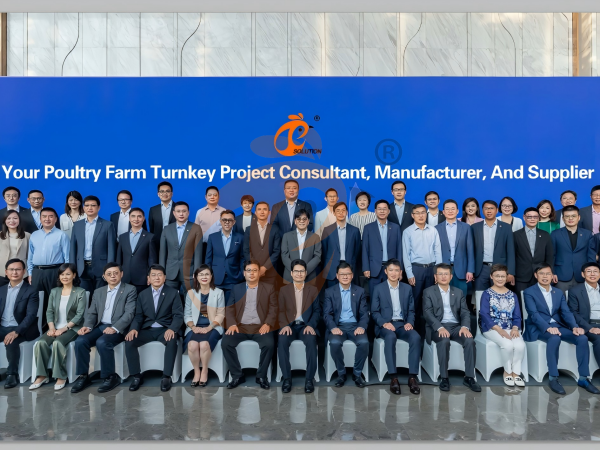
Hong Kong Headquarter Management Team
Hong Kong Headquarter Taiyu Industrial Group CO., LTD
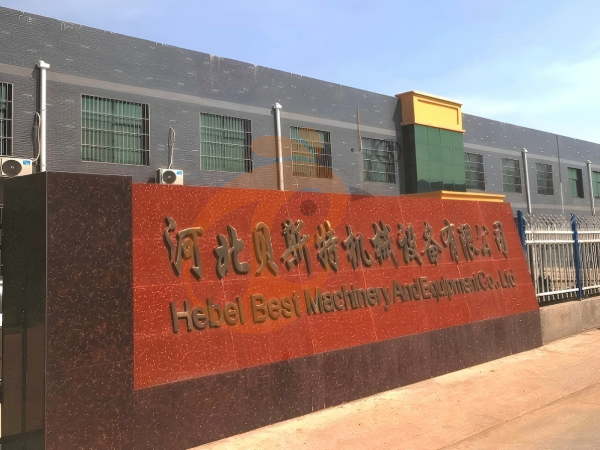
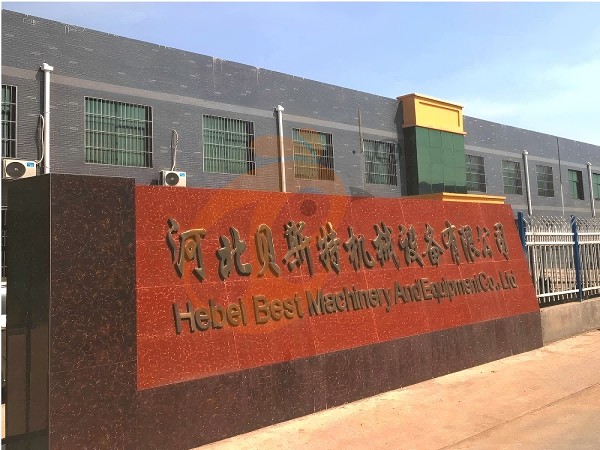
China Hebei Best Machinery And Equipment CO., LTD
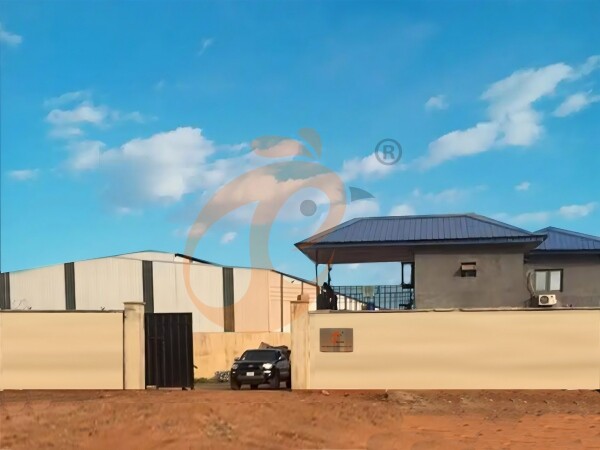
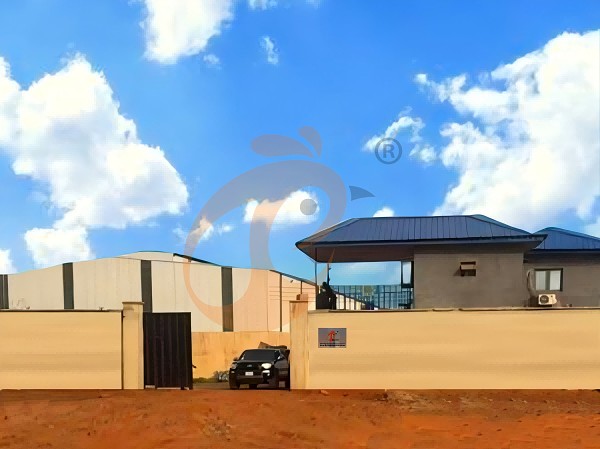
Nigeria Vanke Machinery And Equipment CO., LTD
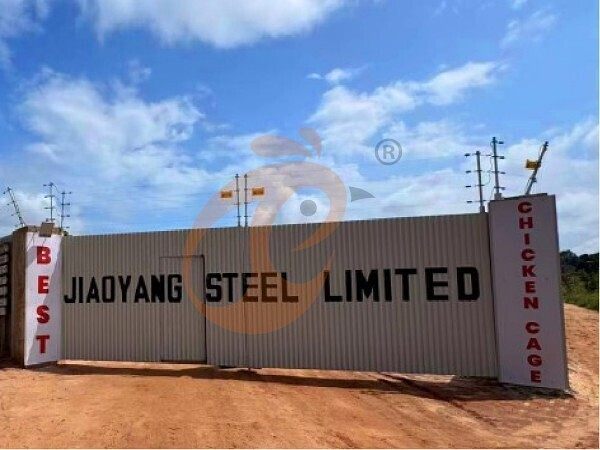
Tanzania Best Machinery And Equipment CO., LTD
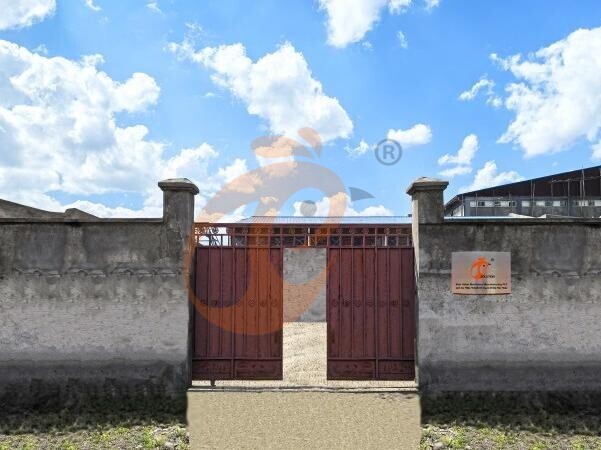
Ethiopia Best Hebei Machinery Manufacturing PLC
Reception /24 WhatsApp NO. : +8618830120193
MESSAGE
Products recommended
 HK Headquarter Offers EU-standard Poultry Farm Solutions, Manufacture Poultry Farm Equipment1. Continuous communication with the EU and the US
2. China, Nigeria, Ethiopia, Tanzania branch companies and factories
3. The products’ quality is customized for local poultry farms
4. Poultry cage and poultry farm equipment stock for sale
5. 24 online reception Whatsapp NO. : +8618830120193,contact us to get full informationRead More China Branch Offer Poultry Farm Business Plan, Manufacture Poultry Farm Equipment1. Address: Flat/RM 2416, 24/F, Runxing Building, Youyi Nan Street, Shijiazhuang City, Hebei Province, China
2. Poultry cage and poultry farm equipment factory and stock for sale
3. Customized for local poultry farms
4. Quality and design are based on Euro
5. 24 online reception Whatsapp NO. : +8618830120193Read More Nigeria Branch Offer Poultry Farm Business Plan, Manufacture Poultry Farm Equipment1. Address: After Sinoma Office, 200 Meters Near Danco Filling Station, Lagos/Ibadan Expressway, Lagos State, Nigeria
2. Poultry cage and poultry farm equipment factory and stock for sale
3. Customized for Nigerian poultry farms
4. Quality and design are based on Euro
5. 24 online reception Whatsapp NO. : +8618830120193Read More Ethiopia Branch Offer Poultry Farm Business Plan, Manufacture Poultry Farm Equipment1. Address: Gelan Gura, Akaki-kaliti Sub City, Addis Ababa, Ethiopia
2. Poultry cage and poultry farm equipment stock for sale
3. Customized for Ethiopian poultry farms
4. Quality and design are based on Euro
5. 24 online reception Whatsapp NO. : +8618830120193, contact us to get price listRead More Tanzania Branch Offer Poultry Farm Business Plan, Manufacture Poultry Farm Equipment1. Address: No.8, Sova Road, Msufini, Mlandizi, Kibaha, Pwani, Tanzania
2. Poultry cage and poultry farm equipment factory and stock for sale
3. Customized for Tanzanian poultry farms
4. Quality and design are based on Euro
5. 24 online reception Whatsapp NO. : +8618830120193Read More Automatic H Type Layer Battery Cage System1. 30,000-100,000+ layers/house chooses it
2. Structure type stacked 3-16 tiers range
3. Stocking density up to 17 birds/cage
4. Service life 25 years
5. Reception /WhatsApp NO. : +8618830120193Read More Automatic A Type Layer Battery Cage System1. 10,000-30,000+ layers/house chooses it
2. Lifespan 25+ years
3. Labor requirement 1 worker per 10,000 birds
4. Reduce disease rates by 15%-20%.
5. Reception /WhatsApp NO. : +8618830120193Read More Semi Automatic A Type Layer Battery Cage System1. 1,00-10,000+ layers/house chooses it
2. Egg breakage rate≤ 0.5%
3. Mesh spacing 2.5×2.5 cm
4. Egg collection floor slope 7–8°
5. Reception /WhatsApp NO. : +8618830120193Read More