Free range poultry system cost structure includes land, housing, equipment, feed, and labor components.
Commercial production requires engineered barn design, ventilation control, and automated feeding integration systems.
Investment scale depends on flock capacity, stocking density, and outdoor grazing land allocation parameters.
Operational efficiency is influenced by feed conversion ratio, environmental stability, and biosecurity management standards.
Market pricing reflects capital expenditure distribution across infrastructure, machinery, and biological production inputs.
Get professional poultry farm construction guidance, equipment selection solutions, and the latest price lists, whatsApp to +8618830120193, click to learn more.
System Definition and Functional Layout
Free range poultry system integrates indoor barns with outdoor paddocks, enabling birds to move between controlled feeding environments and natural grazing zones.
Barn dimensions, range allocation, and ventilation circulation directly influence stocking compliance and long term flock health stability.
Data is for reference only.Swipe horizontally to view full table.
Higher outdoor allocation ratios improve movement efficiency and reduce flock pressure concentration during summer production periods.
Proper nest box planning also minimizes egg breakage losses and improves daily collection consistency across large poultry farms.
Total Investment Benchmark Real Market Range
Farm investment varies significantly by country, material pricing, and automation systems.
Large scale poultry farm construction requires synchronized budgeting between civil engineering, environmental systems, and production equipment procurement.
Data is for reference only.Swipe horizontally to view full table.
Production expansion lowers infrastructure duplication cost and improves long-term utilization of centralized feeding systems.
Commercial farms above 10,000 birds usually achieve better electricity distribution efficiency and lower equipment depreciation per production cycle.
Cost Factor Land Acquisition and Utilization Engineering
Land is the foundational cost driver because free range systems require extensive outdoor space per bird for welfare compliance and production efficiency.
Geographic location determines transportation distance, drainage engineering complexity, and future expansion capability for commercial poultry operations.
Data is for reference only.Swipe horizontally to view full table.
Flat terrain reduces excavation and leveling expenditure during early stage construction planning.
Long term agricultural leasing models can reduce initial cash pressure while maintaining scalable production flexibility for medium capacity poultry farms.
Cost Factor Housing Construction And Barn Engineering
Housing systems are designed for climate control, predator resistance, and production stability.
Structural insulation performance directly affects winter heating consumption and summer temperature stabilization inside poultry barns.
Data is for reference only.Swipe horizontally to view full table.
Automated insulated structures typically reduce annual environmental stress losses during extreme seasonal temperature fluctuations.
Higher grade barn materials also improve corrosion resistance under high humidity poultry production environments.
Cost Factor Equipment System Integration
Equipment defines productivity efficiency, egg output consistency, and labor dependency.
Integrated automation systems improve feeding precision and reduce manual handling frequency during daily poultry management procedures.
Data is for reference only.Swipe horizontally to view full table.
Automatic egg collection systems reduce shell collision rates during peak laying hours.
Ventilation synchronization with feeding schedules also improves internal air quality and ammonia concentration control inside enclosed poultry houses.
Cost Factor Feed Consumption And Nutritional Economics
Feed represents the largest recurring operational cost in free range poultry systems due to higher movement activity.
Feed formulation strategy determines egg mass output, shell density, and metabolic efficiency across different poultry growth stages.
Data is for reference only.Swipe horizontally to view full table.
Balanced amino acid composition improves laying consistency during high temperature production seasons.
Higher quality feed materials also reduce intestinal stress and improve nutrient absorption efficiency in outdoor poultry systems.
Cost Factor Labor Structure And Operational Workforce
Labor cost depends on automation level, flock size, and feeding system efficiency.
Workflow organization influences inspection frequency, sanitation performance, and emergency response speed during commercial farm operation.
Data is for reference only.Swipe horizontally to view full table.
Digital monitoring systems can reduce nighttime inspection workload and improve labor allocation efficiency.
Large capacity farms increasingly use centralized control panels for feeding, ventilation, and water management synchronization.
Biological Mechanisms Behind Free Range Productivity
Free range poultry systems influence biological performance through environmental enrichment.
Chickens exposed to sunlight exhibit increased endogenous vitamin d3 synthesis, improving calcium absorption and eggshell density, which can increase shell strength by 8%–14% compared to confined systems.
Additionally, natural movement reduces hepatic fat accumulation, improving feed conversion ratios by approximately 0.12–0.18 points.
Lower stocking density also reduces pathogen transmission probability, improving flock survival rates by 3%–7% annually.
These physiological advantages directly translate into higher production efficiency and market pricing.
Outdoor behavioral activity also improves muscle development and reduces stress-related feather pecking frequency inside commercial laying flocks.
Egg Production Output And Revenue Benchmarking
Production output determines retun on investment and system viability.
Egg size uniformity, mortality control, and laying persistence directly affect annual farm profitability under commercial operating conditions.
Data is for reference only.Swipe horizontally to view full table.
Premium egg markets generally provide stronger pricing stability for outdoor poultry production systems.
Lower mortality rates partially offset reduced laying frequency through improved flock longevity and stable egg quality output.
Hidden Infrastructure Costs In Free Range Systems
Many investors overlook auxiliary infrastructure costs that significantly affect total budget.
Infrastructure reliability determines biosecurity continuity and long term environmental control performance during multi-year farm operation cycles.
Data is for reference only.Swipe horizontally to view full table.
Drainage efficiency becomes increasingly important during high rainfall seasons in large outdoor poultry farms.
Stable filtration systems also reduce bacterial contamination risk inside automated nipple drinking networks.
Return On Investment Model and Payback Period Analysis
Return on investment depends on egg pricing and feed cost efficiency.
Cash flow performance is strongly influenced by mortality control, feed conversion efficiency, and premium egg market access.
Data is for reference only.Swipe horizontally to view full table.
Efficient production scheduling can shorten capital recovery periods across medium and large poultry farming projects.
Stable feed pricing contracts also improve long-term financial predictability for commercial egg production enterprises.
Scaling Effects On Unit Economics
Scaling reduces per-unit infrastructure cost due to shared systems and optimized labor allocation.
Centralized logistics and bulk procurement improve operational consistency across high capacity poultry production facilities.
Data is for reference only.Swipe horizontally to view full table.
Higher production volume improves utilization efficiency of automated feeding and ventilation infrastructure investments.
Commercial scale poultry farms also gain stronger bargaining power during raw material and equipment procurement negotiations.
Frequently Asked Questions
Q1: What determines free range poultry system price most directly?
A1: Land scale, barn engineering, feeding automation, and flock capacity determine total investment structure.
Larger outdoor areas and higher automation increase capital requirement significantly.
Q2: Why does feed cost dominate operational expenses in free range poultry farming?
A2: Feed intake increases due to bird mobility and metabolic activity.
Annual feed cost often exceeds 60% of total operating expenditure in commercial farms.
Q3: How does system design affect egg production efficiency?
A3: Ventilation, stocking density, and nest box ratio directly influence egg yield, shell quality, and mortality rates across production cycles.
Taiyu (HK) Group - One Of China Largest Free Range Poultry System Manufacturer
Free range poultry system integrates advanced poultry equipment and automated feeding lines for large farms
Factory direct supply poultry cage and free range poultry housing systems for global agriculture projects
Turn key poultry farming engineering solutions including installation, training, and long term technical support services
Export oriented poultry equipment manufacturing with stable production capacity and standardized quality control systems
Global distribution of poultry farm systems designed for high efficiency commercial egg production operations
Contact Us To Received Your Customized Poultry Farm Plan
Headquarters And Branchs
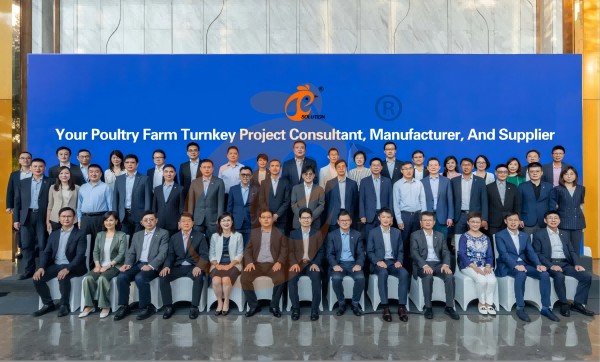
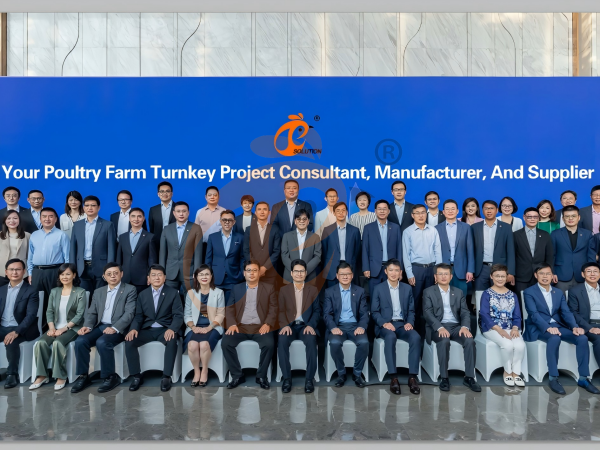
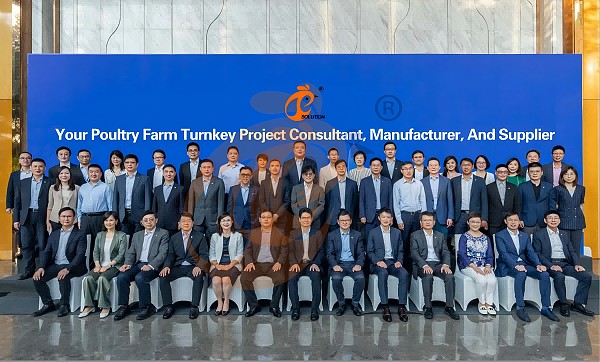
Hong Kong Headquarter Management Team
Hong Kong Headquarter Taiyu Industrial Group CO., LTD
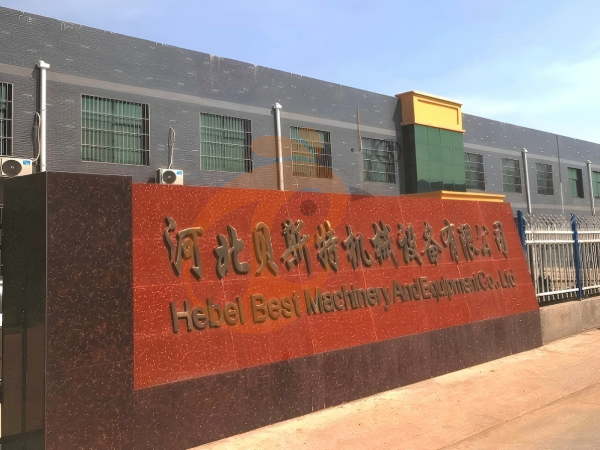
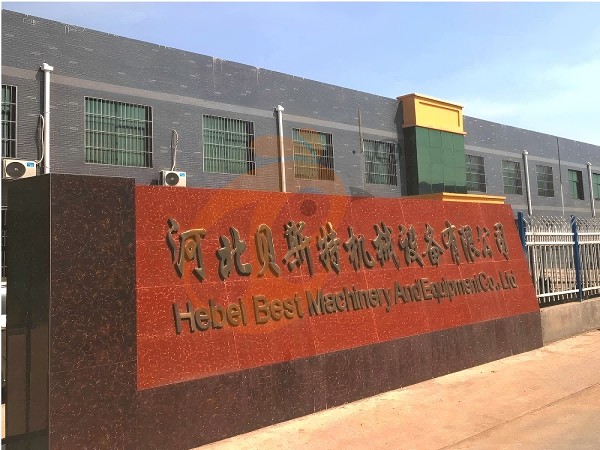
China Hebei Best Machinery And Equipment CO., LTD
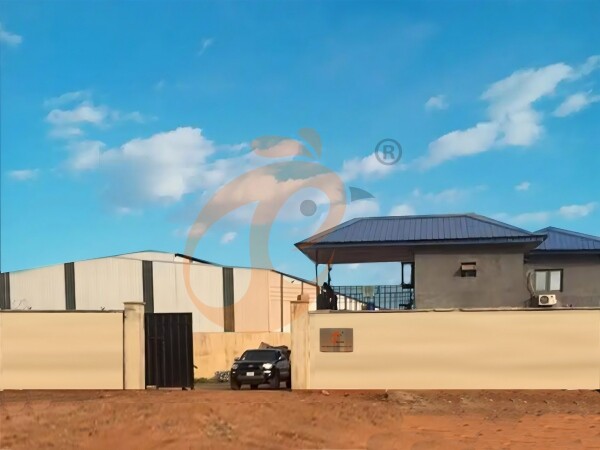
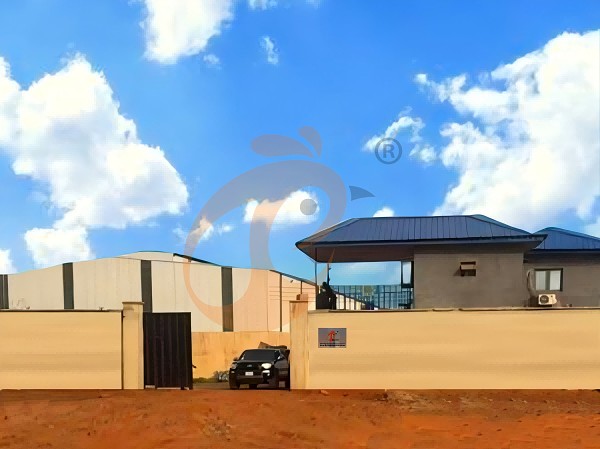
Nigeria Vanke Machinery And Equipment CO., LTD
Tanzania Best Machinery And Equipment CO., LTD
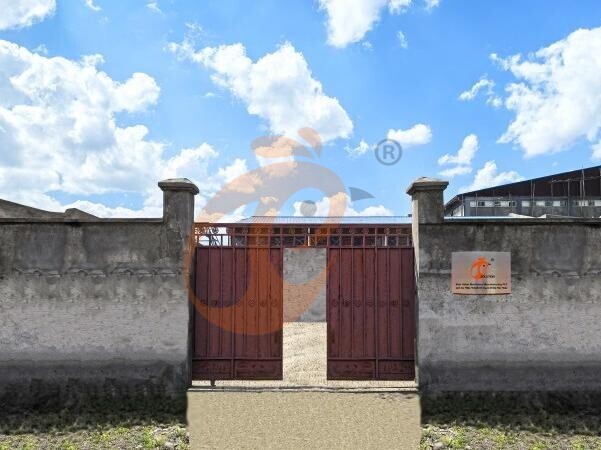
Ethiopia Best Hebei Machinery Manufacturing PLC
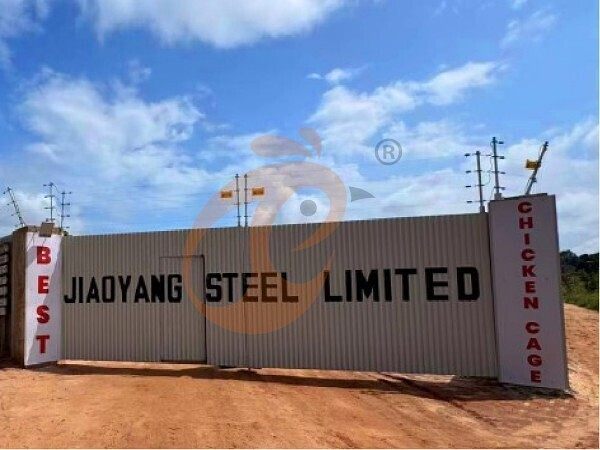
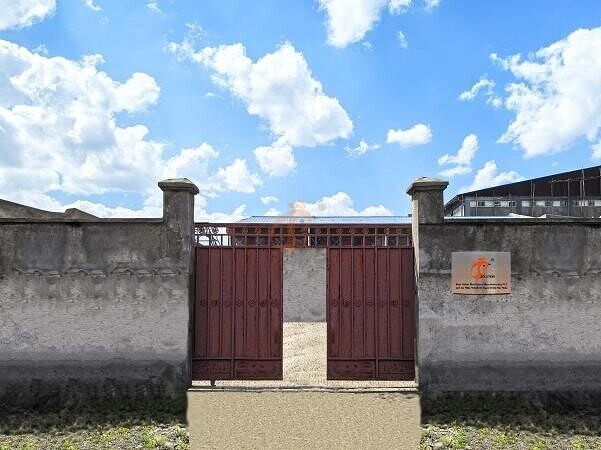
Reception /24 WhatsApp NO. : +8618830120193
MESSAGE
Products recommended
 HK Headquarter Offers EU-standard Poultry Farm Solutions, Manufacture Poultry Farm Equipment1. Continuous communication with the EU and the US
2. China, Nigeria, Ethiopia, Tanzania branch companies and factories
3. The products’ quality is customized for local poultry farms
4. Poultry cage and poultry farm equipment stock for sale
5. 24 online reception Whatsapp NO. : +8618830120193,contact us to get full informationRead More China Branch Offer Poultry Farm Business Plan, Manufacture Poultry Farm Equipment1. Address: Flat/RM 2416, 24/F, Runxing Building, Youyi Nan Street, Shijiazhuang City, Hebei Province, China
2. Poultry cage and poultry farm equipment factory and stock for sale
3. Customized for local poultry farms
4. Quality and design are based on Euro
5. 24 online reception Whatsapp NO. : +8618830120193Read More Nigeria Branch Offer Poultry Farm Business Plan, Manufacture Poultry Farm Equipment1. Address: After Sinoma Office, 200 Meters Near Danco Filling Station, Lagos/Ibadan Expressway, Lagos State, Nigeria
2. Poultry cage and poultry farm equipment factory and stock for sale
3. Customized for Nigerian poultry farms
4. Quality and design are based on Euro
5. 24 online reception Whatsapp NO. : +8618830120193Read More Ethiopia Branch Offer Poultry Farm Business Plan, Manufacture Poultry Farm Equipment1. Address: WR93+FQ2, Addis Ababa, Ethiopia
2. Poultry cage and poultry farm equipment stock for sale
3. Customized for Ethiopian poultry farms
4. Quality and design are based on Euro
5. 24 online reception Whatsapp NO. : +8618830120193, contact us to get price listRead More Tanzania Branch Offer Poultry Farm Business Plan, Manufacture Poultry Farm Equipment1. Address: No.8, Sova Road, Msufini, Mlandizi, Kibaha, Pwani, Tanzania
2. Poultry cage and poultry farm equipment factory and stock for sale
3. Customized for Tanzanian poultry farms
4. Quality and design are based on Euro
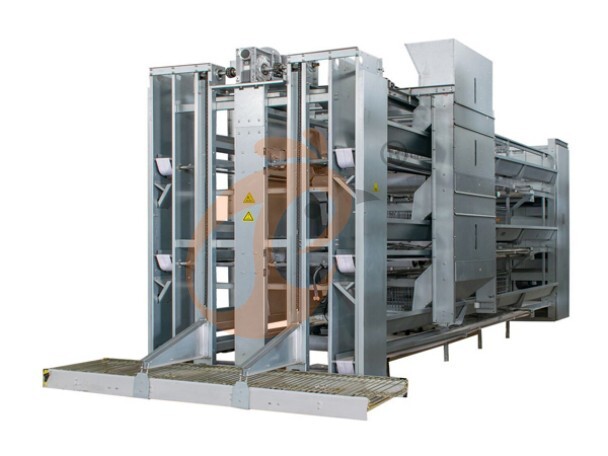
5. 24 online reception Whatsapp NO. : +8618830120193Read More Automatic H Type Layer Battery Cage System1. 30,000-100,000+ layers/house chooses it
2. Structure type stacked 3-16 tiers range
3. Stocking density up to 17 birds/cage
4. Service life 25 years
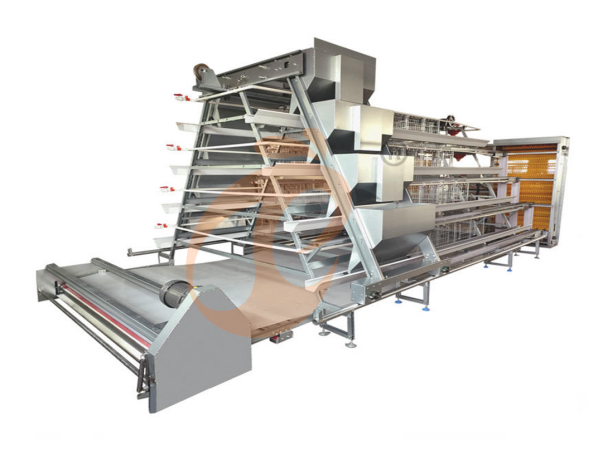
5. Reception /WhatsApp NO. : +8618830120193Read More Automatic A Type Layer Battery Cage System1. 10,000-30,000+ layers/house chooses it
2. Lifespan 25+ years
3. Labor requirement 1 worker per 10,000 birds
4. Reduce disease rates by 15%-20%.
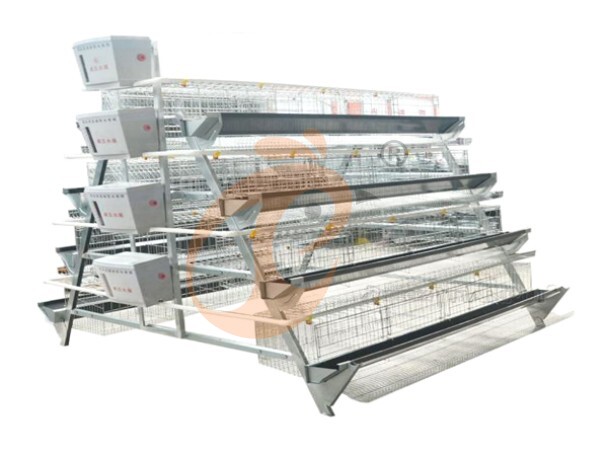
5. Reception /WhatsApp NO. : +8618830120193Read More Semi Automatic A Type Layer Battery Cage System1. 1,00-10,000+ layers/house chooses it
2. Egg breakage rate≤ 0.5%
3. Mesh spacing 2.5×2.5 cm
4. Egg collection floor slope 7–8°
5. Reception /WhatsApp NO. : +8618830120193Read More