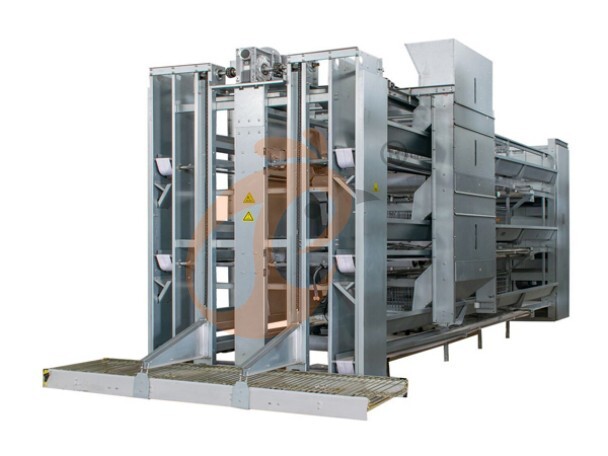
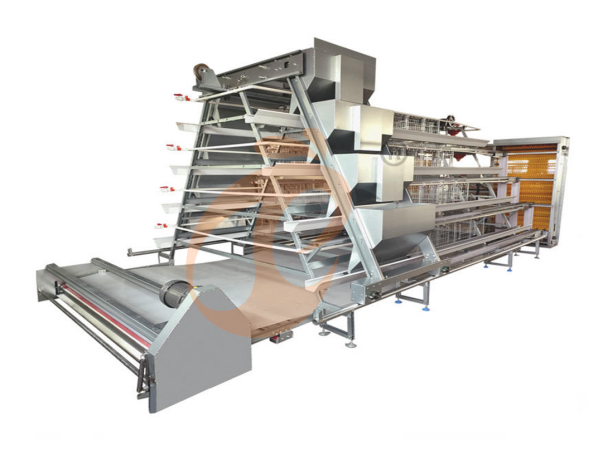
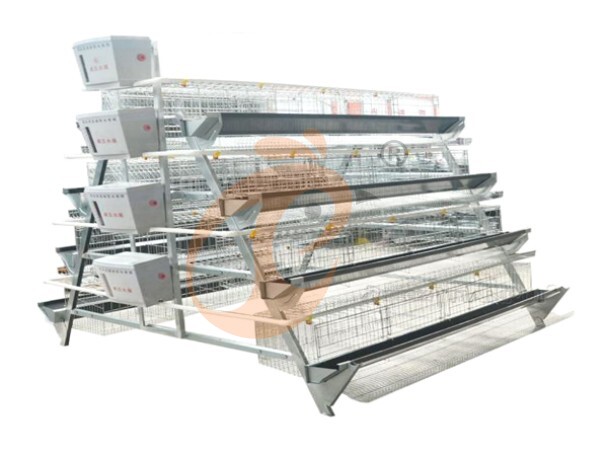
H type battery cage system defines a vertically integrated poultry housing engineering platform designed for 10000 laying hens commercial production units.
System architecture combines galvanized steel cage tiers, automated feeding pipelines, nipple drinking lines, manure belt discharge modules, and centralized climate control integration.
Capital structure includes equipment manufacturing, civil construction, and electromechanical installation components.
Production model supports continuous egg output stabilization under controlled microclimate conditions.
Economic performance depends on feed conversion efficiency, mortality control, and egg price cycle variability.
Get professional poultry farm construction guidance, equipment selection solutions, and the latest price lists, whatsApp to +8618830120193, click to learn more.
System Architecture Of H Type Battery Cage Equipment
Engineering configuration of H type systems follows a modular mechanical logic where each subsystem operates under synchronized timing control.
Structural rigidity and feed distribution precision determine overall flock productivity ceiling.
Data is for reference only.Swipe horizontally to view full table.
Mechanical tolerances and operating thresholds define system stability during long-term continuous production cycles.
Synchronization between feeding and manure removal systems directly influences ammonia accumulation rate and long-term flock health index.
Capital Investment Structure of H Type Battery Cage Project
Investment allocation reflects engineering intensity of each subsystem, with ventilation and structural fabrication forming the largest physical asset base in poultry infrastructure projects.
Data is for reference only.Swipe horizontally to view full table.
Cost distribution reflects mechanical complexity and environmental control requirements across the full production chain.
Ventilation subsystem has a direct nonlinear impact on mortality rate fluctuations during seasonal temperature transitions.
Poultry Farm Civil Engineering Layout Parameters
Building geometry determines airflow behavior, equipment alignment accuracy, and maintenance accessibility for automated poultry production systems.
Data is for reference only.Swipe horizontally to view full table.
Structural ratios influence both energy consumption efficiency and mechanical service accessibility across cage tiers.
Airflow laminarity across longitudinal axis reduces localized heat stress zones and stabilizes egg production rhythm consistency.
Production Performance Engineering of Laying Hens System
Production indicators reflect interaction between biological efficiency and mechanical control precision in controlled poultry environments.
Data is for reference only.Swipe horizontally to view full table.
Output consistency is dependent on synchronization between environmental control parameters and feed energy utilization efficiency.
Feed conversion ratio deviation is typically the earliest indicator of system stress imbalance in large scale cage farming.
Daily Production Output Model for 10000 Hens Capacity
Output modeling translates biological productivity into measurable industrial production flow under controlled farm conditions.
Data is for reference only.Swipe horizontally to view full table.
Daily production stability is primarily influenced by lighting control precision and feed consistency distribution.
Stable egg output curves indicate successful environmental control system calibration across all cage tiers.
Revenue Engineering Model Based on Egg Distribution Channels
Revenue formation in poultry production systems is structurally dependent on distribution pathways and market absorption capacity.
Data is for reference only.Swipe horizontally to view full table.
Price segmentation reflects supply chain structure rather than production cost variation.
European union standard reference only
Market channel selection determines cash flow stability more strongly than production volume expansion strategies.
Operating Cost Structure in Poultry Farm System
Operational expenditure is primarily driven by biological feed input requirements and continuous environmental control energy consumption.
Data is for reference only.Swipe horizontally to view full table.
Cost structure reflects ongoing resource consumption rather than fixed asset depreciation.
Feed input cost behaves as primary elasticity variable in profitability fluctuation models.
Return On Investment Engineering Model of H Type Battery Cage System
Return on investment calculation integrates capital expenditure recovery speed with operational cash flow stability under production constraints.
Data is for reference only.Swipe horizontally to view full table.
Payback structure depends on synchronization between biological output and market pricing cycles.
Cash flow recovery speed is primarily controlled by feed conversion efficiency and mortality rate stabilization.
Biological Mechanism of Cage-Based Production System
H type cage environments modify metabolic energy distribution by limiting non-productive movement and stabilizing environmental stress factors.
Controlled ventilation reduces ammonia accumulation, while regulated photoperiod aligns endocrine egg laying cycles.
Data is for reference only.Swipe horizontally to view full table.
Energy distribution profile reflects physiological allocation under industrial confinement conditions.
Metabolic efficiency gain is directly linked to environmental stability and stocking density control precision.
Automation Efficiency Benchmark in Poultry Equipment System
Automation reduces human operational variability and improves process timing accuracy across feeding, collection, and waste management cycles.
Data is for reference only.Swipe horizontally to view full table.
Labor reduction improves operational consistency and reduces fatigue-induced performance deviation.
Mechanization reduces dependency on human scheduling and improves production rhythm stability.
Investment Sensitivity Engineering Analysis
Sensitivity modeling identifies dominant variables affecting financial output stability in commercial poultry systems.
Data is for reference only.Swipe horizontally to view full table.
Profit variance is primarily driven by input cost volatility and output price fluctuation.
Egg pricing dynamics represent the most influential external variable in return on investment fluctuation modeling.
Engineering Optimization Strategy Matrix
Optimization parameters represent controllable engineering levers that directly modify biological efficiency and production output stability.
Data is for reference only.Swipe horizontally to view full table.
Each parameter adjustment produces measurable changes in annual net income performance.
Operational optimization is cumulative, with combined effects exceeding individual parameter contributions.
Lifecycle Engineering Cost Model
Lifecycle cost distribution reflects progressive mechanical wear and replacement probability across long-term continuous production operation.
Data is for reference only.Swipe horizontally to view full table.
Maintenance intensity increases proportionally with equipment aging and load accumulation.
Mechanical fatigue accumulation is highest in belt transmission and ventilation motor assemblies.
Risk Engineering Control Parameters
Risk thresholds define environmental boundaries beyond which biological performance degradation becomes measurable in production systems.
Data is for reference only.Swipe horizontally to view full table.
Environmental deviation directly correlates with mortality and production loss rates.
System resilience depends on continuous environmental parameter stabilization.
Frequently Asked Questions
Q1: What engineering factors determine total system cost in H type battery cage projects?
A1: Total cost is determined by cage structure fabrication, automation integration level, ventilation system capacity, and civil construction scale.
Q2: How does H type system improve egg production efficiency compared to floor farming systems?
A2: Controlled feeding, reduced movement energy loss, and stable environmental parameters increase feed conversion efficiency and laying rate stability.
Q3: What is the critical factor influencing return on investment payback period in poultry cage farming?
A3: Feed cost ratio combined with egg price cycle fluctuation determines cash flow recovery speed and investment payback duration.
Taiyu (HK) Group - One Of China Largest Battery Cages Manufacturer
H type battery cage system delivers precision engineered poultry production equipment for commercial egg farming with fully automated feeding manure removal and environmental control integration for 10000 hens capacity farms.
Global factory direct supply provides poultry equipment manufacturing services covering cage systems ventilation modules feeding lines and complete industrial poultry house engineering solutions.
Poultry cage production capacity supports large scale export projects with standardized fabrication processes ensuring consistent structural durability and long term operational stability.
Turn key engineering solutions include farm design installation commissioning and full operational training services for industrial layer poultry farming systems worldwide.
Poultry equipment portfolio integrates feeding systems drinking systems manure belts and climate control units for high efficiency automated egg production farm infrastructure.
Contact Us To Received Your Customized Poultry Farm Plan
Headquarters And Branchs

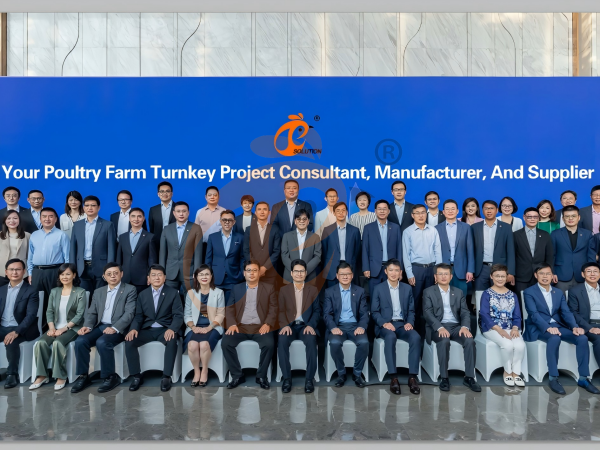
Hong Kong Headquarter Management Team
Hong Kong Headquarter Taiyu Industrial Group CO., LTD
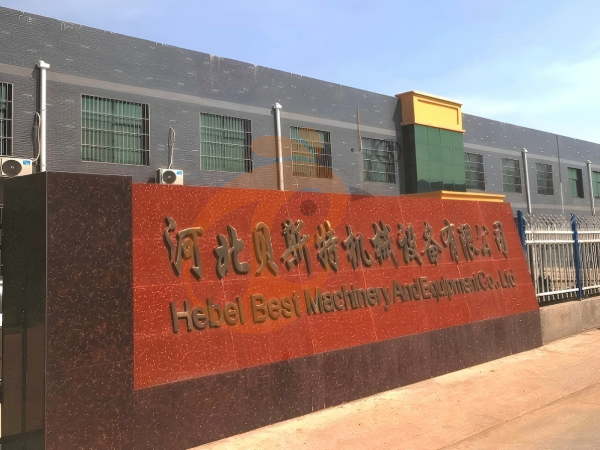
China Hebei Best Machinery And Equipment CO., LTD
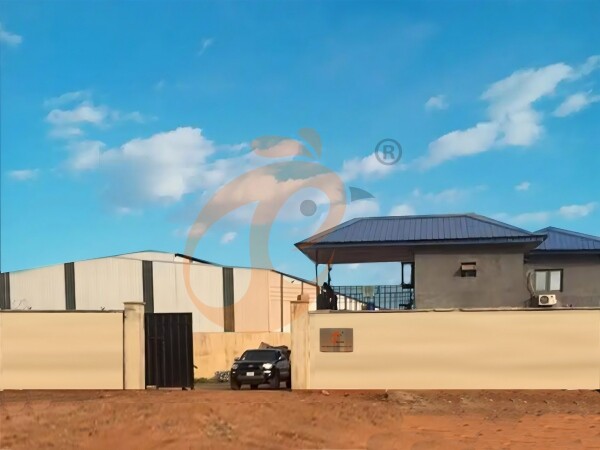
Nigeria Vanke Machinery And Equipment CO., LTD
Tanzania Best Machinery And Equipment CO., LTD
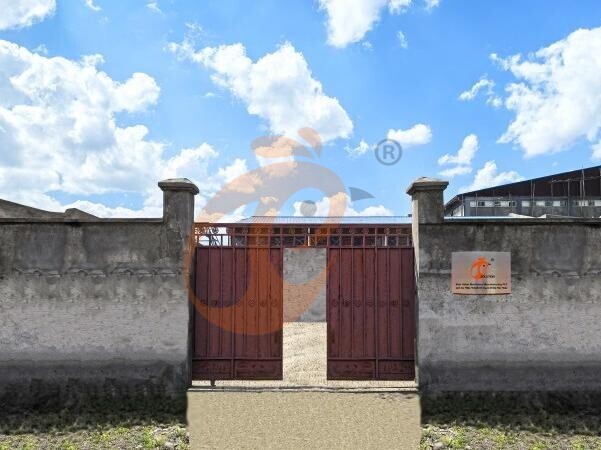
Ethiopia Best Hebei Machinery Manufacturing PLC
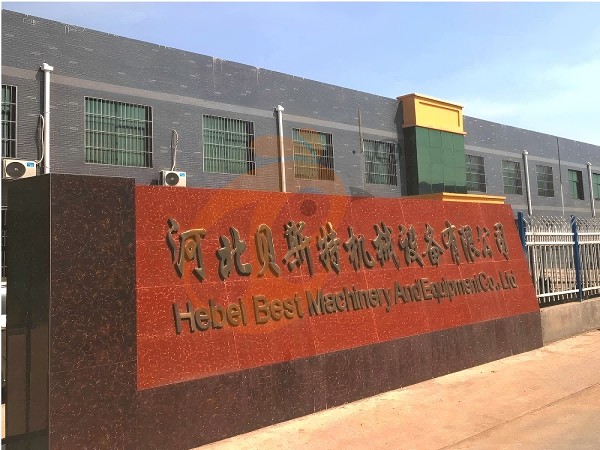
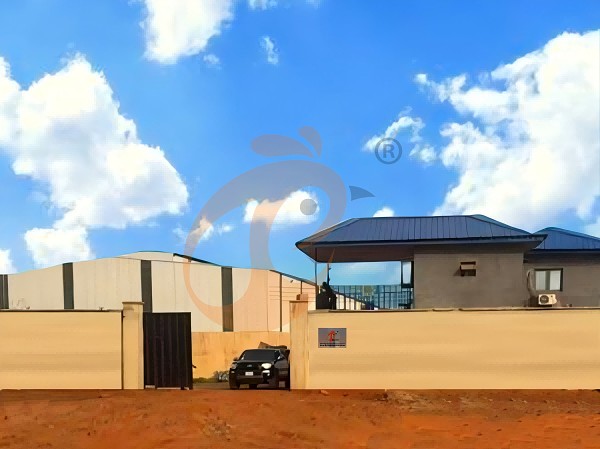
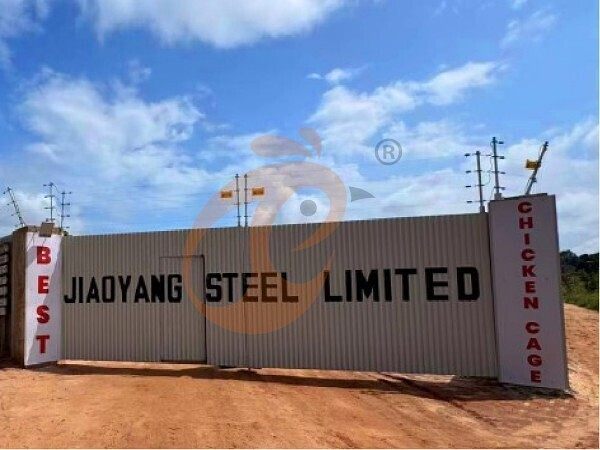
Reception /24 WhatsApp NO. : +8618830120193
MESSAGE
Products recommended
 HK Headquarter Offers EU-standard Poultry Farm Solutions, Manufacture Poultry Farm Equipment1. Continuous communication with the EU and the US
2. China, Nigeria, Ethiopia, Tanzania branch companies and factories
3. The products’ quality is customized for local poultry farms
4. Poultry cage and poultry farm equipment stock for sale
5. 24 online reception Whatsapp NO. : +8618830120193,contact us to get full informationRead More China Branch Offer Poultry Farm Business Plan, Manufacture Poultry Farm Equipment1. Address: Flat/RM 2416, 24/F, Runxing Building, Youyi Nan Street, Shijiazhuang City, Hebei Province, China
2. Poultry cage and poultry farm equipment factory and stock for sale
3. Customized for local poultry farms
4. Quality and design are based on Euro
5. 24 online reception Whatsapp NO. : +8618830120193Read More Nigeria Branch Offer Poultry Farm Business Plan, Manufacture Poultry Farm Equipment1. Address: After Sinoma Office, 200 Meters Near Danco Filling Station, Lagos/Ibadan Expressway, Lagos State, Nigeria
2. Poultry cage and poultry farm equipment factory and stock for sale
3. Customized for Nigerian poultry farms
4. Quality and design are based on Euro
5. 24 online reception Whatsapp NO. : +8618830120193Read More Ethiopia Branch Offer Poultry Farm Business Plan, Manufacture Poultry Farm Equipment1. Address: WR93+FQ2, Addis Ababa, Ethiopia
2. Poultry cage and poultry farm equipment stock for sale
3. Customized for Ethiopian poultry farms
4. Quality and design are based on Euro
5. 24 online reception Whatsapp NO. : +8618830120193, contact us to get price listRead More Tanzania Branch Offer Poultry Farm Business Plan, Manufacture Poultry Farm Equipment1. Address: No.8, Sova Road, Msufini, Mlandizi, Kibaha, Pwani, Tanzania
2. Poultry cage and poultry farm equipment factory and stock for sale
3. Customized for Tanzanian poultry farms
4. Quality and design are based on Euro
5. 24 online reception Whatsapp NO. : +8618830120193Read More Automatic H Type Layer Battery Cage System1. 30,000-100,000+ layers/house chooses it
2. Structure type stacked 3-16 tiers range
3. Stocking density up to 17 birds/cage
4. Service life 25 years
5. Reception /WhatsApp NO. : +8618830120193Read More Automatic A Type Layer Battery Cage System1. 10,000-30,000+ layers/house chooses it
2. Lifespan 25+ years
3. Labor requirement 1 worker per 10,000 birds
4. Reduce disease rates by 15%-20%.
5. Reception /WhatsApp NO. : +8618830120193Read More Semi Automatic A Type Layer Battery Cage System1. 1,00-10,000+ layers/house chooses it
2. Egg breakage rate≤ 0.5%
3. Mesh spacing 2.5×2.5 cm
4. Egg collection floor slope 7–8°
5. Reception /WhatsApp NO. : +8618830120193Read More