Feed waste control is a critical issue in Nigerian poultry farms.
High feed cost accounts for 60–70% of total layer farm expenses.
Inefficient feeding practices lead to significant economic loss and lower farm efficiency.
Unoptimized cage designs cause birds to spill or waste feed.
Data-driven management improves operational performance and reduces unnecessary losses.
Automating feed delivery and monitoring bird behavior enhances productivity.
Proper stocking density and cage management prevent aggressive feeding behaviors.
Reducing waste increases profitability while maintaining bird welfare standards.
Get professional poultry farm construction guidance, equipment selection solutions, and the latest price lists, whatsApp to +8618830120193, +2348111199996, or click to learn more:

Nigeria-China Branch Office And Factory Of Poultry Farm Equipment
Optimize Feeder Design And Placement To Reduce Feed Loss
Proper feeder design in A type layer cage systems is essential to reduce feed spillage.
Birds often scratch or toss feed, especially when the feeder is shallow or improperly placed.
Data is for reference only. Swipe horizontally to view full table.
Proper placement ensures birds can access feed comfortably, reducing stress and increasing feed efficiency.
Use Precision Feeding Systems And Automation For Efficiency
Automated feeding systems enhance poultry farm efficiency by delivering feed in controlled amounts and on schedule.
Manual feeding often leads to overfeeding or uneven distribution.
Data is for reference only. Swipe horizontally to view full table.
Automation allows farmers to monitor feed usage, detect irregular patterns, and maintain optimal feed conversion ratios.
Improve Feed Storage And Handling Protocols
Feed storage and handling directly impact quality and wastage.
Moisture, pests, and improper storage degrade feed, leading to losses.
Data is for reference only. Swipe horizontally to view full table.
Correct handling preserves nutrient content and ensures birds consume feed efficiently, maximizing profitability.
Optimize Stocking Density And Cage Management
Correct density in A type layer cage systems reduces competition, aggression, and feed spillage.
Data is for reference only. Swipe horizontally to view full table.
Balanced stocking density supports bird welfare while maintaining poultry farm efficiency.
Formulate Feed With Waste Reduction In Mind
Feed composition affects selective feeding behavior.
Birds may reject certain ingredients if palatability or particle size is inappropriate.
Data is for reference only. Swipe horizontally to view full table.
Optimized feed formulations reduce leftover feed and improve overall feed conversion ratios.
Integrate Climate-Smart Housing To Reduce Stress
Environmental stress, such as heat, increases feed consumption without proportional production, causing waste.
Optimizing ventilation and cooling improves feed utilization.
Data is for reference only. Swipe horizontally to view full table.
Proper environmental control enhances feed waste control while supporting high egg production rates.
Behavior Monitoring And Waste Reduction Algorithms
Observing bird behavior helps identify overfeeding or stress-induced waste.
Sensors and cameras allow real-time adjustments.
Data is for reference only. Swipe horizontally to view full table.
Behavioral monitoring increases feed efficiency and overall poultry farm efficiency.
Use Alternative Feed Ingredients To Reduce Costs
Local agricultural byproducts, such as cassava peel, sweet potato, and water yam, provide energy and protein at lower cost.
Data is for reference only. Swipe horizontally to view full table.
Integrating these ingredients reduces dependency on imported feed while minimizing waste.
Feed Collection Systems Under Cages
Installing collection systems under A type layer cage captures spilled feed for reuse and manure management.
Data is for reference only. Swipe horizontally to view full table.
These systems improve resource utilization and operational cleanliness.
Economic Impact Of Feed Waste Control
Data is for reference only. Swipe horizontally to view full table.
Effective control measures can save 10–20% in feed costs and increase profitability significantly.
Environmental And Sustainability Benefits
In Nigeria, reducing feed waste is not just about saving costs, it creates a positive ecological cycle.
Uneaten feed that falls to the cage floor becomes an environmental burden if unmanaged.
Lower Ammonia Emissions and Respiratory Risks
Feed mixed with droppings ferments in hot, humid conditions, producing ammonia that harms birds' respiratory health.
Controlling waste improves air quality, reduces disease incidence, and lowers medication costs.
Maximized Resource Use
Producing 1 kg of feed consumes significant water and land.
Saving even a single bag of feed reduces upstream carbon footprint and enhances the farm’s environmental competitiveness.
Circular Economy and Manure Quality
Clean manure has high value as organic fertilizer.
Minimizing leftover feed prevents pathogen growth and pests, increasing manure quality and enabling resource recycling.
Training And Best Practice Implementation
Even advanced A type layer cage systems cannot prevent waste without proper management, people remain the last line of defense.
Standard Operating Procedures (SOP)
Train staff to fill feeders no more than one-third full and adopt ''small frequent feeding'' to prevent spillage.
Accountability And Incentives
Implement simple reward systems where employees receive bonuses for reduced feed residue in their cage section.
Daily Inspection And Maintenance
Staff should monitor bird behavior and equipment daily. Adjust tilted feeders and repair damaged belts within 24 hours.
Visual Management Tools
Display charts comparing feed consumption and egg production, showing the direct link between wasted feed, farm losses, and bird welfare.
Frequently Asked Questions
Q1: How can I reduce feed waste in an A type layer cage?
A1: Optimizing feeder design, automation, and stocking density reduces spillage and improves efficiency.
Q2: What feed formulations minimize selective feeding waste?
A2: Balanced protein, energy, and uniform particle size reduce leftovers and enhance utilization.
Q3: Can local agricultural byproducts replace commercial feed?
A3: Yes, properly processed cassava, sweet potato, and yam can partially replace feed while reducing waste.
VANKE - One Of Nigeria Biggest Chicken Cage Manufacturer
Integrated Turnkey Solutions: VANKE provides full turnkey poultry farm projects, including design, installation, and commissioning, ensuring farms achieve maximum operational efficiency from day one.
Global Factory Direct Supply: Our products are delivered worldwide directly from our factories, reducing middlemen costs and ensuring competitive pricing in USD (Euro standard for reference).
Advanced Poultry Farm Equipment: We specialize in high-quality A type layer cages, feeding systems, egg collection lines, and environmental control solutions for large-scale egg production.
Customizable Systems: VANKE offers tailored solutions for each farm, optimizing cage layout, stocking density, and feed management to enhance bird welfare and feed conversion efficiency.
Technical Support And After-Sales Service: Our experienced engineers provide on-site training, maintenance guidance, and remote monitoring support, guaranteeing long-term farm performance and profitability.
Contact Us To Received Your Customized Poultry Farm Plan
Headquarters And Branchs

Hong Kong Headquarter Management Team
Hong Kong Headquarter Taiyu Industrial Group CO., LTD
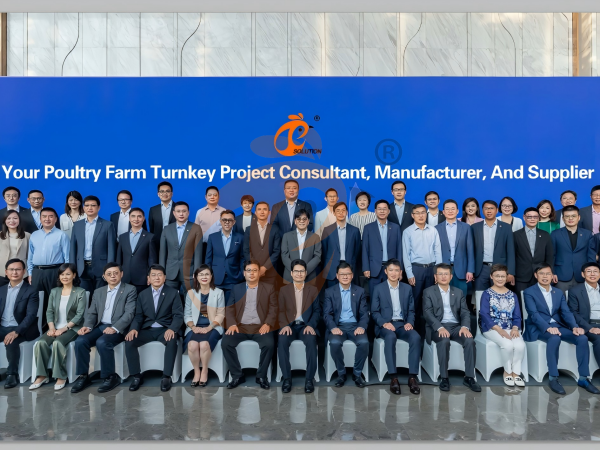
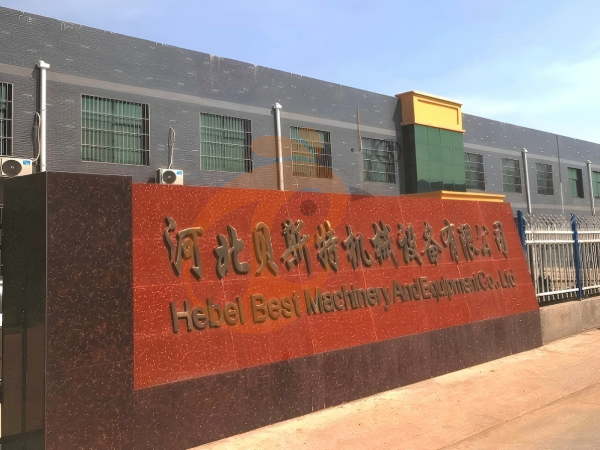
China Hebei Best Machinery And Equipment CO., LTD
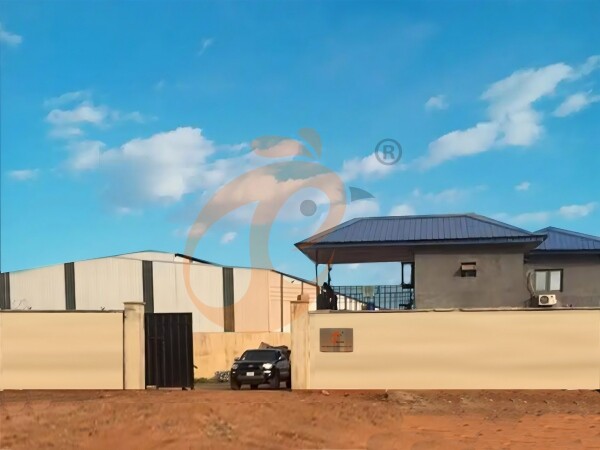
Nigeria Vanke Machinery And Equipment CO., LTD
Tanzania Best Machinery And Equipment CO., LTD
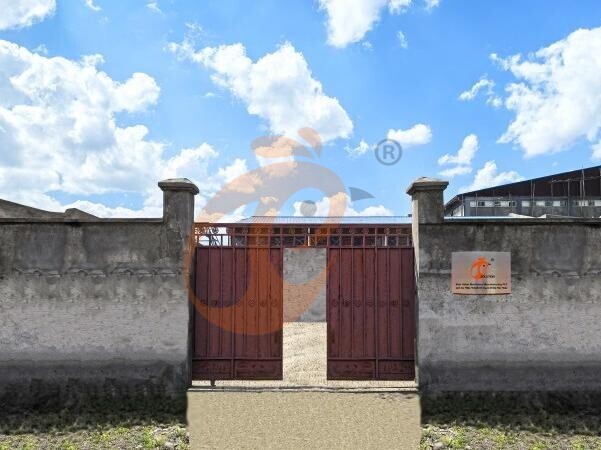
Ethiopia Best Hebei Machinery Manufacturing PLC




Reception /24 WhatsApp NO. : +8618830120193
MESSAGE
Products recommended
 HK Headquarter Offers EU-standard Poultry Farm Solutions, Manufacture Poultry Farm Equipment1. Continuous communication with the EU and the US
2. China, Nigeria, Ethiopia, Tanzania branch companies and factories
3. The products’ quality is customized for local poultry farms
4. Poultry cage and poultry farm equipment stock for sale
5. 24 online reception Whatsapp NO. : +8618830120193,contact us to get full informationRead More China Branch Offer Poultry Farm Business Plan, Manufacture Poultry Farm Equipment1. Address: Flat/RM 2416, 24/F, Runxing Building, Youyi Nan Street, Shijiazhuang City, Hebei Province, China
2. Poultry cage and poultry farm equipment factory and stock for sale
3. Customized for local poultry farms
4. Quality and design are based on Euro
5. 24 online reception Whatsapp NO. : +8618830120193Read More Nigeria Branch Offer Poultry Farm Business Plan, Manufacture Poultry Farm Equipment1. Address: After Sinoma Office, 200 Meters Near Danco Filling Station, Lagos/Ibadan Expressway, Lagos State, Nigeria
2. Poultry cage and poultry farm equipment factory and stock for sale
3. Customized for Nigerian poultry farms
4. Quality and design are based on Euro
5. 24 online reception Whatsapp NO. : +8618830120193Read More Ethiopia Branch Offer Poultry Farm Business Plan, Manufacture Poultry Farm Equipment1. Address: WR93+FQ2, Addis Ababa, Ethiopia
2. Poultry cage and poultry farm equipment stock for sale
3. Customized for Ethiopian poultry farms
4. Quality and design are based on Euro
5. 24 online reception Whatsapp NO. : +8618830120193, contact us to get price listRead More Tanzania Branch Offer Poultry Farm Business Plan, Manufacture Poultry Farm Equipment1. Address: No.8, Sova Road, Msufini, Mlandizi, Kibaha, Pwani, Tanzania
2. Poultry cage and poultry farm equipment factory and stock for sale
3. Customized for Tanzanian poultry farms
4. Quality and design are based on Euro
5. 24 online reception Whatsapp NO. : +8618830120193Read More Automatic H Type Layer Battery Cage System1. 30,000-100,000+ layers/house chooses it
2. Structure type stacked 3-16 tiers range
3. Stocking density up to 17 birds/cage
4. Service life 25 years
5. Reception /WhatsApp NO. : +8618830120193Read More Automatic A Type Layer Battery Cage System1. 10,000-30,000+ layers/house chooses it
2. Lifespan 25+ years
3. Labor requirement 1 worker per 10,000 birds
4. Reduce disease rates by 15%-20%.
5. Reception /WhatsApp NO. : +8618830120193Read More Semi Automatic A Type Layer Battery Cage System1. 1,00-10,000+ layers/house chooses it
2. Egg breakage rate≤ 0.5%
3. Mesh spacing 2.5×2.5 cm
4. Egg collection floor slope 7–8°
5. Reception /WhatsApp NO. : +8618830120193Read More