Ethiopia poultry farm represents a rapidly growing investment opportunity in East Africa.
Population growth exceeds 120 million, with urbanization driving higher demand for animal protein.
The Ethiopian climate varies from highland coolness to lowland heat, requiring strategic breed selection.
Commercial poultry production offers significant ROI with proper management and technical expertise.
Investors must understand feed conversion, housing, biosecurity, and regulatory frameworks.
Get professional poultry farm construction guidance, equipment selection solutions, and the latest price lists, whatsApp to +8618830120193, click to learn more:

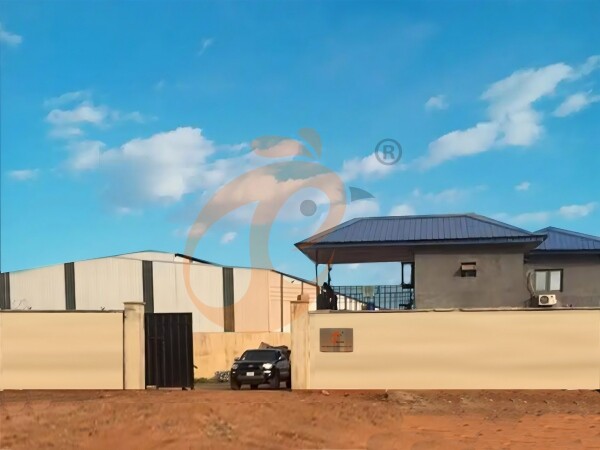
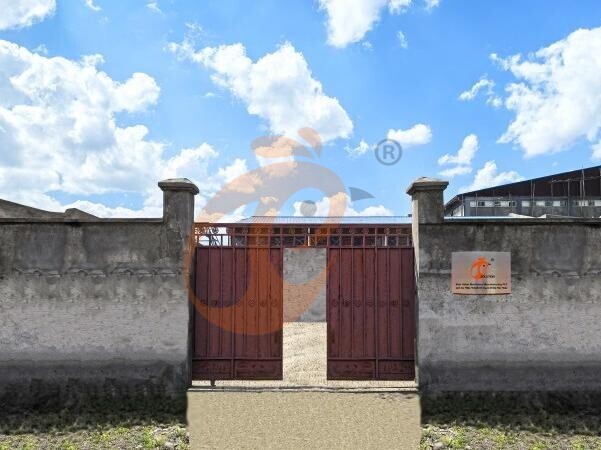
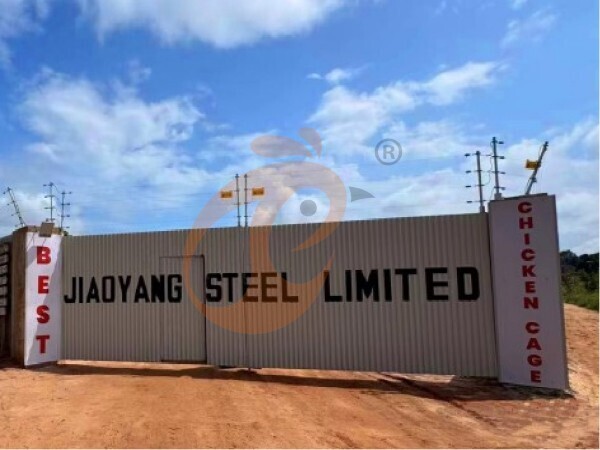
Ethiopia Branch Office And Factory Of Poultry Farm Equipment
Market Potential And Consumption Trends
Data is for reference only. Swipe horizontally to view full table.
Ethiopia poultry farm investment is driven by the consumption gap and urban migration trends.
Local breeds dominate rural production, while commercial hybrids are growing in urban markets.
Data shows the egg consumption per capita could triple by 2030, highlighting market potential.
Investors should target high-demand regions like Addis Ababa, Oromia, and Amhara.
Selecting The Right Breed For The Ethiopian Climate
Data is for reference only. Swipe horizontally to view full table.
Ethiopia poultry farm success relies on matching breed performance with local climate.
Broilers grow quickly for meat, while layers maximize egg output for urban markets.
Highland regions require cold-resilient strains; lowlands need heat-tolerant breeds.
Site Selection And Environmental Requirements
Data is for reference only. Swipe horizontally to view full table.
Housing design is essential to control oxygen, temperature, and ammonia.
Ethiopia poultry farm environmental management reduces mortality and boosts productivity.
Proper ventilation and insulation are non-negotiable for highland regions.
Automated ventilation with IoT sensors allows real-time monitoring of air quality, temperature, and humidity, improving growth rates by up to 15%.
Feed Management And Nutritional Standards
Data is for reference only. Swipe horizontally to view full table.
Feed represents 70% of total operational costs in Ethiopia poultry farms.
Optimizing feed conversion ratio is key to maximizing ROI and minimizing waste.
Layer feed with correct calcium ensures peak egg quality for market demand.
IoT-enabled feeders can automate portioning and track consumption trends, enabling precise feed management.
Health And Biosecurity Protocols
Data is for reference only. Swipe horizontally to view full table.
Ethiopia poultry farm biosecurity prevents devastating disease outbreaks.
Vaccination schedules should be strictly adhered to for layers and broilers alike.
Smart monitoring systems can alert staff to abnormal bird behavior, reducing losses by 10–12%.
Financial Planning And Initial Investment Costs
Data is for reference only. Swipe horizontally to view full table.
Medium-scale Ethiopia poultry farm setup (5,000 birds) requires CAPEX planning.
Investment in automation reduces long-term labor and increases consistency.
EU standard note: costs are for reference only and may vary locally.
Ethiopia Poultry Farm Case Study: A Medium-Scale Layer Success Story
Location & Scale
Situated in Oromia region, this Ethiopia poultry farm houses 6,000 high-yield layers in climate-controlled barns.
Production Highlights
Achieved 1.8 million eggs annually, with a feed conversion ratio of 2.2, demonstrating highly efficient operations.
Mortality rate maintained below 5%, thanks to rigorous vaccination and biosecurity protocols.
Financial Performance
Monthly revenue averaged ETB 450,000, with operational costs around ETB 300,000, resulting in a healthy profit margin of 33%.
Break-even was achieved within 14 months, showcasing rapid ROI potential.
Technology & Management
Integrated IoT sensors for real-time monitoring of temperature, humidity, and ammonia levels.
Automated feeders and lighting schedules reduced labor demands and optimized bird growth.
Farm staff receive instant alerts for any environmental deviations, ensuring bird welfare and productivity.
Investor Takeaway
This case proves that with the right combination of breed selection, environmental control, and modern management, a medium-scale Ethiopia poultry farm can be both highly profitable and scalable.
Regulatory Compliance And Government Incentives
Data is for reference only. Swipe horizontally to view full table.
Government incentives significantly improve ROI and reduce entry barriers.
Ethiopia poultry farm investors benefit from tax holidays, land access, and machinery import duty exemptions.
Frequently Asked Questions (FAQ)
Q1: What breed is best for ethiopian climate?
A1: Broilers like Ross 308 for meat and Lohmann Brown for eggs are recommended. Dual-purpose breeds suit mixed production systems.
Q2: How much initial investment is required?
A2: A medium-scale farm (5,000 birds) costs approximately ETB 4,000,000–7,500,000 depending on automation level.
Q3: What are key biosecurity measures?
A3: Strict vaccination, controlled farm access, proper housing, and daily monitoring of environmental parameters are critical.
Ethiopia Best Hebei Machinery Manufacturing Plc - One Of Ethiopia Largest Poultry Farm Manufacturer
Provides global poultry farm equipment, poultry cages, and turnkey projects.
Factory direct sales ensure competitive pricing and adherence to international standards.
Over 15 years of experience in Ethiopia poultry farm solutions, serving global markets.
IoT and intelligent control systems enhance operational efficiency by 15–20%.
Comprehensive service includes design, installation, training, and after-sales support worldwide.
Contact Us To Received Your Customized Poultry Farm Plan
Headquarters And Branchs

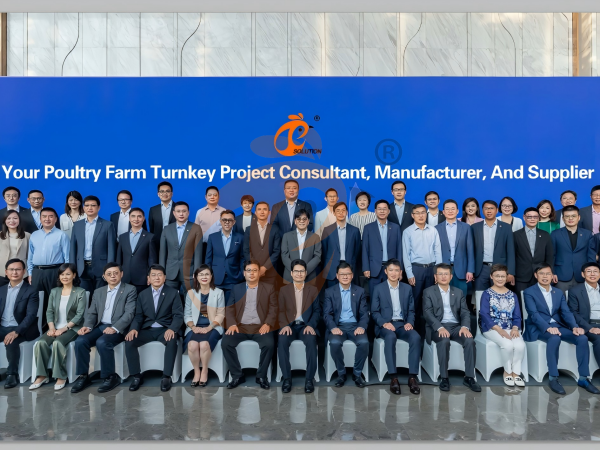
Hong Kong Headquarter Management Team
Hong Kong Headquarter Taiyu Industrial Group CO., LTD
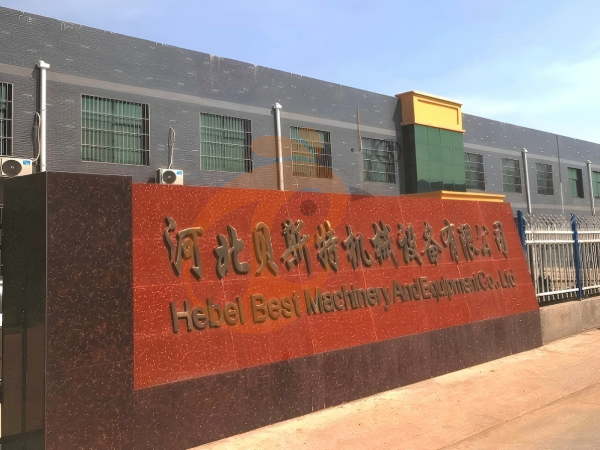
China Hebei Best Machinery And Equipment CO., LTD
Nigeria Vanke Machinery And Equipment CO., LTD
Tanzania Best Machinery And Equipment CO., LTD
Ethiopia Best Hebei Machinery Manufacturing PLC
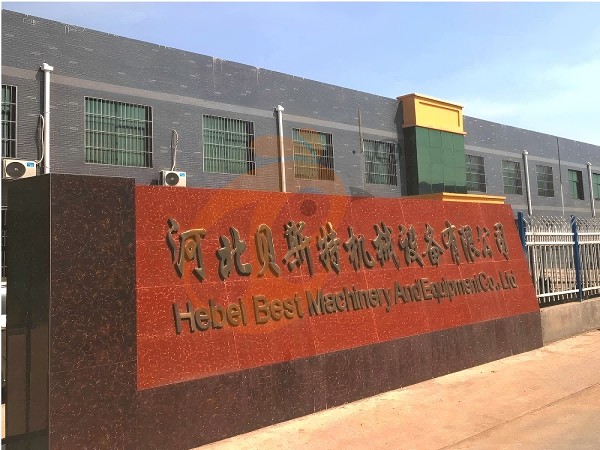
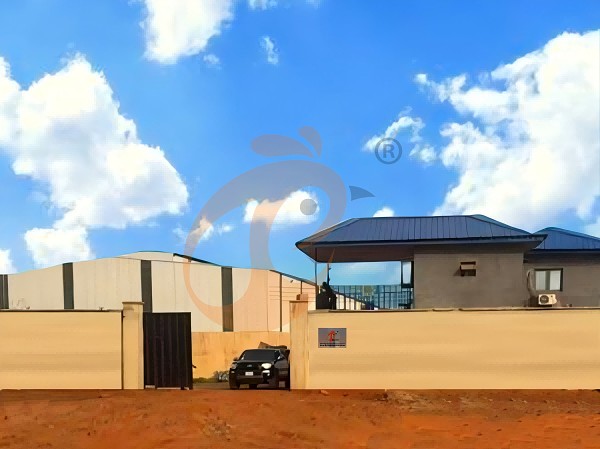
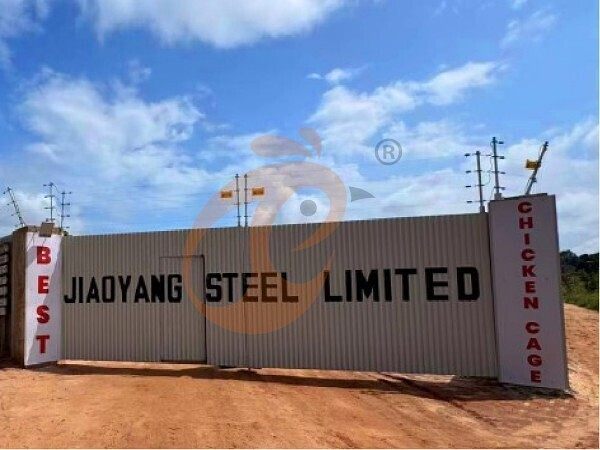
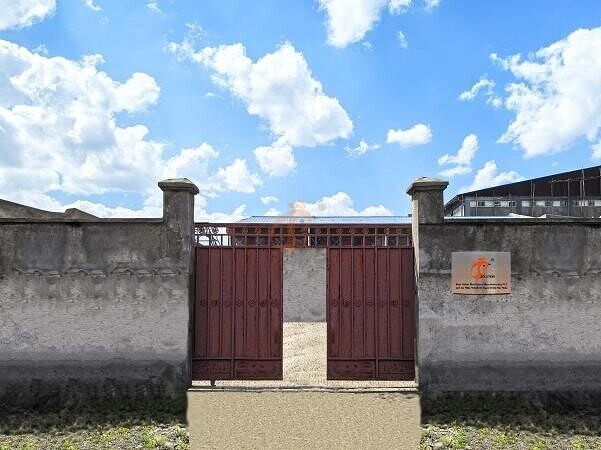
Reception /24 WhatsApp NO. : +8618830120193
MESSAGE
Products recommended
 HK Headquarter Offers EU-standard Poultry Farm Solutions, Manufacture Poultry Farm Equipment1. Continuous communication with the EU and the US
2. China, Nigeria, Ethiopia, Tanzania branch companies and factories
3. The products’ quality is customized for local poultry farms
4. Poultry cage and poultry farm equipment stock for sale
5. 24 online reception Whatsapp NO. : +8618830120193,contact us to get full informationRead More China Branch Offer Poultry Farm Business Plan, Manufacture Poultry Farm Equipment1. Address: Flat/RM 2416, 24/F, Runxing Building, Youyi Nan Street, Shijiazhuang City, Hebei Province, China
2. Poultry cage and poultry farm equipment factory and stock for sale
3. Customized for local poultry farms
4. Quality and design are based on Euro
5. 24 online reception Whatsapp NO. : +8618830120193Read More Nigeria Branch Offer Poultry Farm Business Plan, Manufacture Poultry Farm Equipment1. Address: After Sinoma Office, 200 Meters Near Danco Filling Station, Lagos/Ibadan Expressway, Lagos State, Nigeria
2. Poultry cage and poultry farm equipment factory and stock for sale
3. Customized for Nigerian poultry farms
4. Quality and design are based on Euro
5. 24 online reception Whatsapp NO. : +8618830120193Read More Ethiopia Branch Offer Poultry Farm Business Plan, Manufacture Poultry Farm Equipment1. Address: WR93+FQ2, Addis Ababa, Ethiopia
2. Poultry cage and poultry farm equipment stock for sale
3. Customized for Ethiopian poultry farms
4. Quality and design are based on Euro
5. 24 online reception Whatsapp NO. : +8618830120193, contact us to get price listRead More Tanzania Branch Offer Poultry Farm Business Plan, Manufacture Poultry Farm Equipment1. Address: No.8, Sova Road, Msufini, Mlandizi, Kibaha, Pwani, Tanzania
2. Poultry cage and poultry farm equipment factory and stock for sale
3. Customized for Tanzanian poultry farms
4. Quality and design are based on Euro
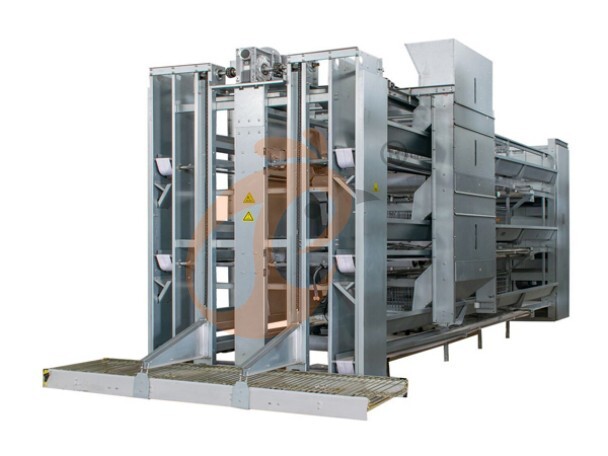
5. 24 online reception Whatsapp NO. : +8618830120193Read More Automatic H Type Layer Battery Cage System1. 30,000-100,000+ layers/house chooses it
2. Structure type stacked 3-16 tiers range
3. Stocking density up to 17 birds/cage
4. Service life 25 years
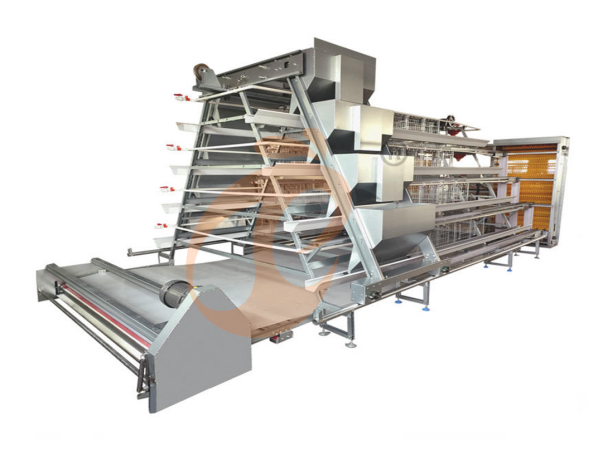
5. Reception /WhatsApp NO. : +8618830120193Read More Automatic A Type Layer Battery Cage System1. 10,000-30,000+ layers/house chooses it
2. Lifespan 25+ years
3. Labor requirement 1 worker per 10,000 birds
4. Reduce disease rates by 15%-20%.
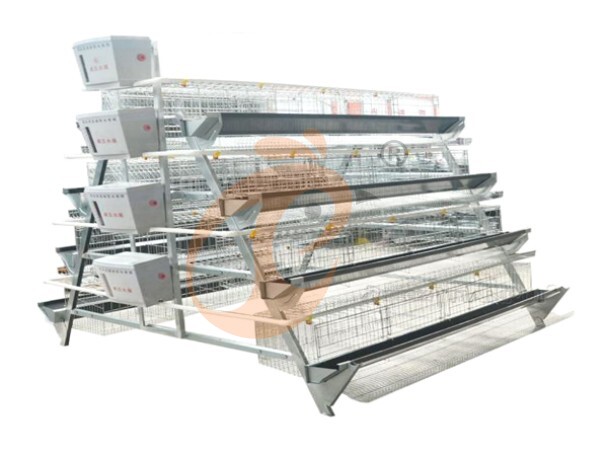
5. Reception /WhatsApp NO. : +8618830120193Read More Semi Automatic A Type Layer Battery Cage System1. 1,00-10,000+ layers/house chooses it
2. Egg breakage rate≤ 0.5%
3. Mesh spacing 2.5×2.5 cm
4. Egg collection floor slope 7–8°
5. Reception /WhatsApp NO. : +8618830120193Read More