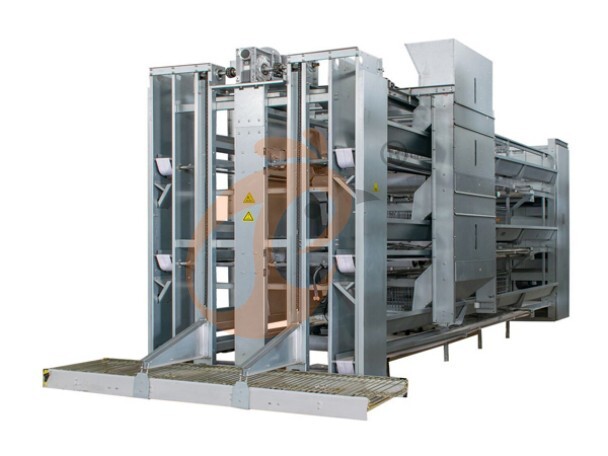
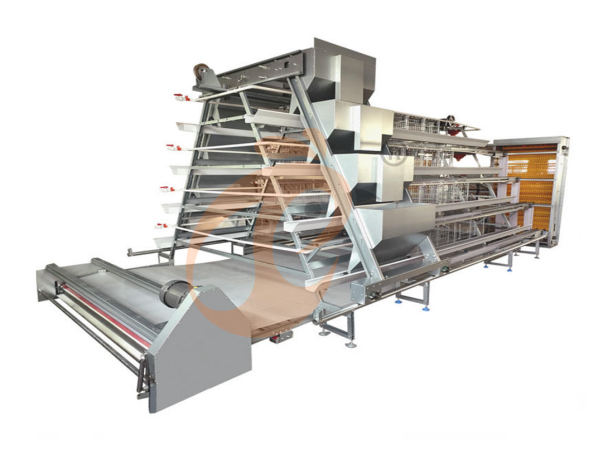
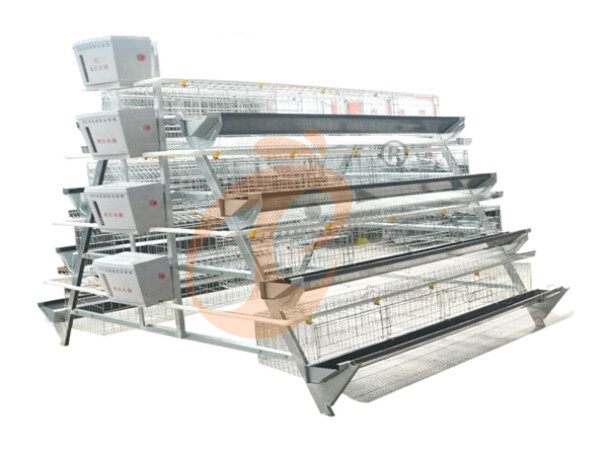
Layer chicken cage installation establishes a reliable foundation for commercial egg production by integrating structural engineering, automated poultry equipment, and efficient production management into one coordinated system.
Accurate cage alignment, stable concrete foundations, and calibrated feeding equipment reduce maintenance frequency while supporting long-term operational reliability across multi-tier poultry houses.
Modern automatic feeding systems, nipple drinking lines, and manure removal equipment improve labor efficiency and simplify routine farm management for different production capacities.
Professional installation planning enhances ventilation performance, equipment compatibility, and production consistency while supporting scalable poultry farm expansion under industrial operating conditions.
Quality engineering, standardized assembly, and durable materials contribute to stable production performance throughout continuous laying cycles while minimizing unexpected equipment downtime.
Get professional poultry farm construction guidance, equipment selection solutions, and the latest price lists, whatsApp to +8618830120193, click to learn more.
Site Engineering Assessment And Pre-Construction Baseline
Long-term installation stability begins before the first cage component arrives on site.
Ground conditions determine whether the complete cage structure remains level throughout years of continuous production.
A well-prepared foundation also simplifies the installation of automatic feeding equipment, drinking lines, and manure removal systems while reducing future maintenance requirements.
Data is for reference only. Swipe horizontally to view full table.
Laser leveling equipment is recommended before steel frame installation because even minor floor irregularities gradually influence cage alignment over long production cycles.
Professional poultry equipment installation also reduces unexpected downtime after birds enter production.
Cage Frame Assembly
Steel frame installation forms the structural backbone of a commercial layer house.
Every vertical column and horizontal beam should be installed sequentially instead of assembling multiple rows simultaneously.
Accurate mechanical alignment supports smoother operation of egg collection conveyors and automatic feeding systems while reducing future adjustment work.
Data is for reference only. Swipe horizontally to view full table.
Modern H-type structures require accurate positioning because multiple cage tiers share the same supporting framework.
Correct installation improves equipment durability and provides a stable platform for automatic production equipment operating every day.
Feeding System Installation
After the structural frame passes inspection, the feeding system can be installed.
Feed delivery components should operate smoothly throughout the entire poultry house without interruption or excessive vibration.
Consistent feed distribution supports uniform flock performance and simplifies routine management in medium and large commercial egg farms.
Data is for reference only. Swipe horizontally to view full table.
Automatic feeding equipment significantly reduces manual labor while maintaining consistent nutrient distribution throughout the production cycle.
For expanding farms, integrated feeding equipment can also simplify future capacity upgrades without major structural modification.
Drinking System Configuration
Water supply remains one of the most important operating systems inside a layer house.
Pressure stability should be verified before birds are placed because uneven water distribution affects overall flock consistency.
Regular flushing also helps maintain reliable operation throughout continuous production periods.
Data is for reference only. Swipe horizontally to view full table.
Continuous water availability complements automatic feeding equipment and supports stable daily egg production across commercial cage systems.
Manure Removal System Configuration
Efficient manure handling protects equipment performance and improves the internal environment of commercial poultry houses.
A synchronized manure removal system reduces moisture accumulation beneath the cages and supports cleaner daily operation throughout the production cycle.
Routine inspection of belts, rollers, and drive units helps maintain stable operation while reducing unnecessary maintenance interruptions.
Data is for reference only. Swipe horizontally to view full table.
Automatic manure removal equipment integrates smoothly with multi-tier layer cage systems and reduces manual cleaning requirements, making the poultry house easier to manage during continuous production.
Egg Collection System Installation
A properly installed egg collection system minimizes shell damage and improves collection efficiency across every cage row.
Each conveyor section should remain straight and synchronized before the first production cycle begins.
Accurate mechanical adjustment helps maintain smooth egg transfer from the cage front to the central collection table.
Data is for reference only. Swipe horizontally to view full table.
Automatic egg collection equipment reduces manual handling while maintaining product quality from cage to packing area.
Well-adjusted collection systems also simplify future production expansion because additional cage rows can be connected through the same conveyor network.
Ventilation And Environmental Control
Environmental control directly influences housing stability throughout every laying cycle.
Balanced airflow removes excess moisture, controls airborne contaminants, and creates more consistent operating conditions for automated poultry equipment.
Ventilation planning should always be completed together with cage installation instead of being treated as an independent project.
Data is for reference only. Swipe horizontally to view full table.
Modern ventilation equipment, cooling systems, and intelligent environmental controls operate together with commercial layer cage installations to maintain stable production under different seasonal conditions.
Final Inspection Before Bird Placement
Every installation project should undergo a complete commissioning process before pullets are transferred into the poultry house.
Mechanical systems, electrical components, and water distribution equipment should be tested under simulated operating conditions to identify any abnormal vibration, leakage, or alignment deviation.
A systematic acceptance procedure minimizes commissioning risks and provides a reliable operating foundation for long-term commercial egg production.
Data is for reference only. Swipe horizontally to view full table.
A complete commissioning procedure confirms that every mechanical and electrical subsystem operates as an integrated production unit before flock placement.
Testing each module under operating conditions helps identify minor adjustments before commercial production begins, reducing future maintenance interruptions and improving long-term equipment reliability.
Installation Checklist
A structured installation sequence reduces commissioning risks and keeps every engineering stage under control.
Each completed task should be documented before the next installation phase begins.
Verify foundation elevation and structural alignment.
Confirm all cage frame fasteners meet design specifications.
Test feeding equipment without feed before full operation.
Flush drinking pipelines and check pressure consistency.
Inspect manure belts for continuous movement.
Operate the egg collection system under simulated load.
Calibrate ventilation equipment and lighting controls.
Complete electrical safety inspection before bird placement.
Following a standardized workflow improves project consistency across both new poultry houses and facility expansion projects.
Common Installation Mistakes
Several installation issues repeatedly appear in commercial poultry projects.
Most problems originate during the construction stage rather than during equipment operation.
Early correction minimizes equipment wear and maintains stable synchronization between cage structures and automated production systems throughout the laying cycle.
Frequently Asked Questions
Q1: What is the most important step during layer chicken cage installation?
A1: Foundation preparation and structural alignment are the starting points of every successful installation.
Maintaining accurate frame positioning and verifying all mechanical systems before bird placement supports stable long-term operation and reduces unexpected maintenance requirements.
Q2: How long does a commercial cage installation normally require?
A2: Project duration depends on farm capacity, equipment configuration, and construction readiness.
A medium-sized automated installation commonly requires several working days for structural assembly, mechanical integration, electrical commissioning, and final system testing before pullets are introduced.
Q3: Which equipment should be installed together with the cage system?
A3: A complete commercial solution normally combines layer cages, feeding equipment, nipple drinking lines, manure removal equipment, egg collection systems, ventilation equipment, and intelligent environmental controls.
Integrated engineering improves operational coordination and simplifies long-term farm management.
Taiyu (HK) Group - One Of China Largest Layer Chicken Cage Manufacturer
Precision-engineered layer chicken cage systems designed for commercial egg production projects with scalable automation and reliable structural performance.
Global factory-direct supply covering complete poultry equipment, standardized manufacturing, and quality-controlled production processes.
Professional turn-key poultry farm engineering including planning, equipment manufacturing, installation guidance, commissioning, and technical documentation.
Complete project solutions integrating cage systems, automatic feeding, nipple drinking, manure removal, egg collection, ventilation, and environmental control equipment.
Experienced international technical support providing engineering consultation, installation assistance, operator training, spare parts, and long-term after-sales service.
Contact Us To Received Your Customized Poultry Farm Plan
Headquarters And Branchs

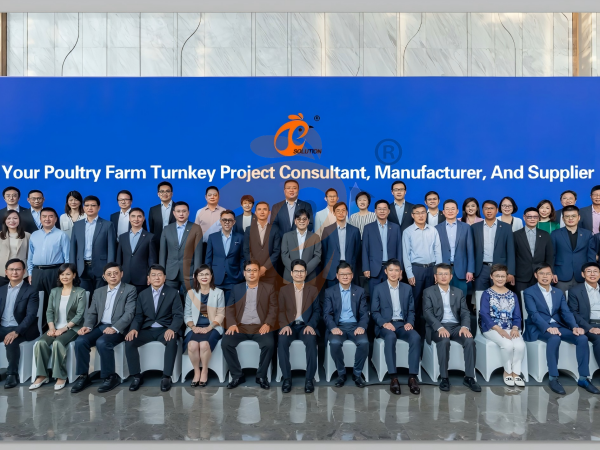
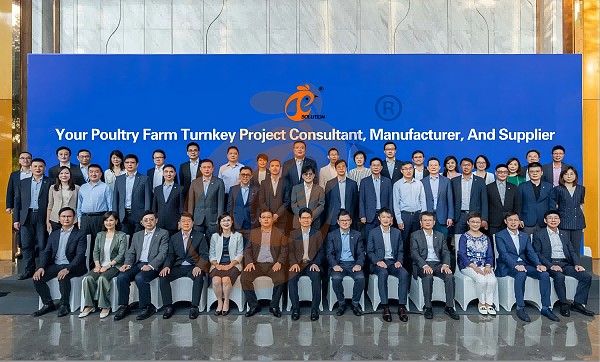
Hong Kong Headquarter Management Team
Hong Kong Headquarter Taiyu Industrial Group CO., LTD
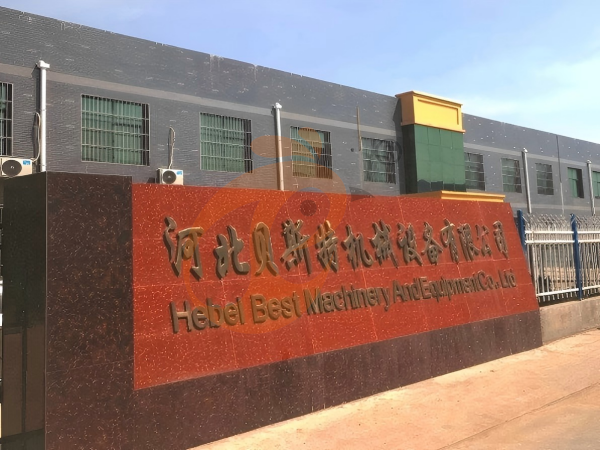
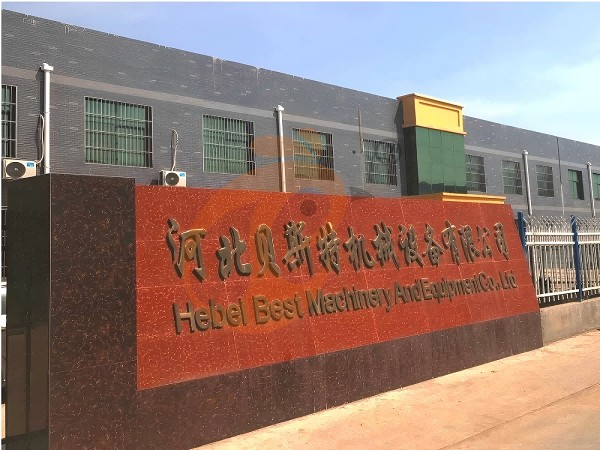
China Hebei Best Machinery And Equipment CO., LTD
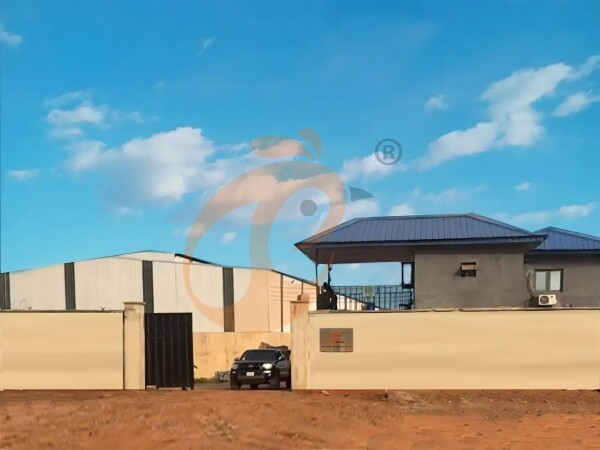
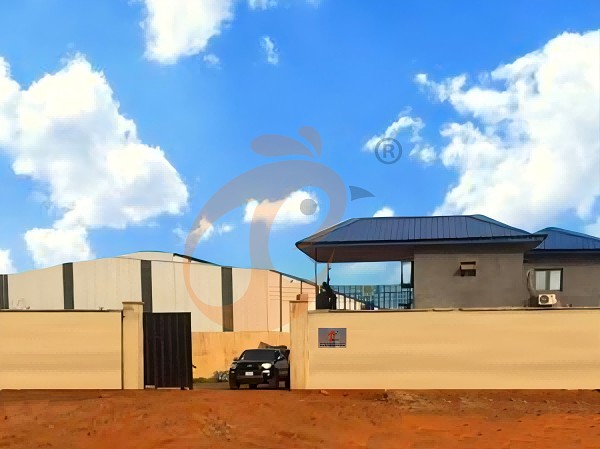
Nigeria Vanke Machinery And Equipment CO., LTD
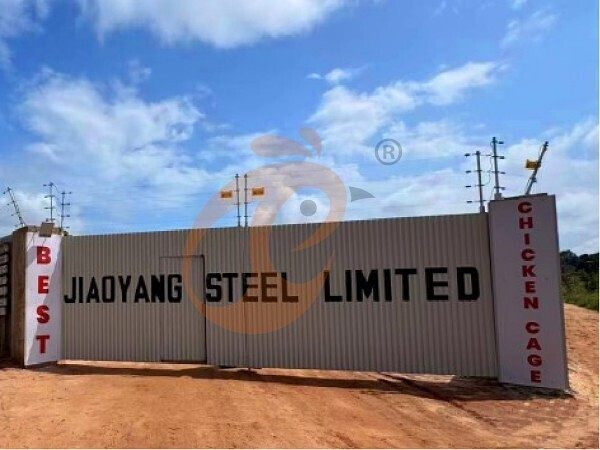
Tanzania Best Machinery And Equipment CO., LTD
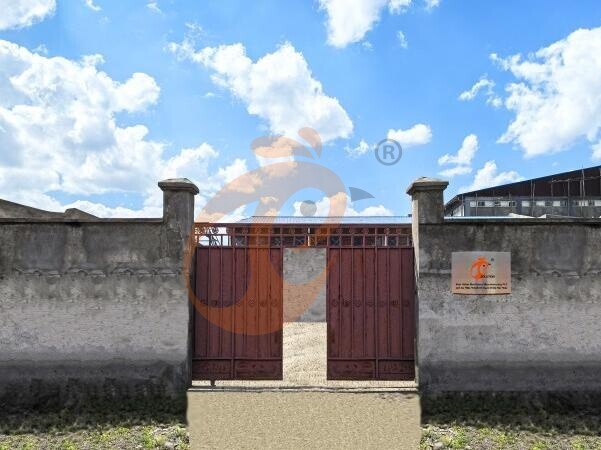
Ethiopia Best Hebei Machinery Manufacturing PLC
Reception /24 WhatsApp NO. : +8618830120193
MESSAGE
Products recommended
 HK Headquarter Offers EU-standard Poultry Farm Solutions, Manufacture Poultry Farm Equipment1. Continuous communication with the EU and the US
2. China, Nigeria, Ethiopia, Tanzania branch companies and factories
3. The products’ quality is customized for local poultry farms
4. Poultry cage and poultry farm equipment stock for sale
5. 24 online reception Whatsapp NO. : +8618830120193,contact us to get full informationRead More China Branch Offer Poultry Farm Business Plan, Manufacture Poultry Farm Equipment1. Address: Flat/RM 2416, 24/F, Runxing Building, Youyi Nan Street, Shijiazhuang City, Hebei Province, China
2. Poultry cage and poultry farm equipment factory and stock for sale
3. Customized for local poultry farms
4. Quality and design are based on Euro
5. 24 online reception Whatsapp NO. : +8618830120193Read More Nigeria Branch Offer Poultry Farm Business Plan, Manufacture Poultry Farm Equipment1. Address: After Sinoma Office, 200 Meters Near Danco Filling Station, Lagos/Ibadan Expressway, Lagos State, Nigeria
2. Poultry cage and poultry farm equipment factory and stock for sale
3. Customized for Nigerian poultry farms
4. Quality and design are based on Euro
5. 24 online reception Whatsapp NO. : +8618830120193Read More Ethiopia Branch Offer Poultry Farm Business Plan, Manufacture Poultry Farm Equipment1. Address: Gelan Gura, Akaki-kaliti Sub City, Addis Ababa, Ethiopia
2. Poultry cage and poultry farm equipment stock for sale
3. Customized for Ethiopian poultry farms
4. Quality and design are based on Euro
5. 24 online reception Whatsapp NO. : +8618830120193, contact us to get price listRead More Tanzania Branch Offer Poultry Farm Business Plan, Manufacture Poultry Farm Equipment1. Address: No.8, Sova Road, Msufini, Mlandizi, Kibaha, Pwani, Tanzania
2. Poultry cage and poultry farm equipment factory and stock for sale
3. Customized for Tanzanian poultry farms
4. Quality and design are based on Euro
5. 24 online reception Whatsapp NO. : +8618830120193Read More Automatic H Type Layer Battery Cage System1. 30,000-100,000+ layers/house chooses it
2. Structure type stacked 3-16 tiers range
3. Stocking density up to 17 birds/cage
4. Service life 25 years
5. Reception /WhatsApp NO. : +8618830120193Read More Automatic A Type Layer Battery Cage System1. 10,000-30,000+ layers/house chooses it
2. Lifespan 25+ years
3. Labor requirement 1 worker per 10,000 birds
4. Reduce disease rates by 15%-20%.
5. Reception /WhatsApp NO. : +8618830120193Read More Semi Automatic A Type Layer Battery Cage System1. 1,00-10,000+ layers/house chooses it
2. Egg breakage rate≤ 0.5%
3. Mesh spacing 2.5×2.5 cm
4. Egg collection floor slope 7–8°
5. Reception /WhatsApp NO. : +8618830120193Read More