- Layer chicken cage system provides a complete commercial poultry housing solution combining structural design, automation control, and efficient egg production management with calculated module capacities from 120 to 512 birds.
Advanced cage engineering integrates feeding, drinking, egg collection, manure handling, and environmental systems to support professional farms requiring organized production processes.
Modern H type layer cage and A type layer cage structures provide different installation approaches, helping farms select suitable equipment according to building design and production targets.
Professional poultry equipment solutions improve farm planning through modular layouts, automated operation, and technical configurations designed for commercial egg projects.
- Integrated cage technology creates scalable farming systems with practical engineering specifications, supporting global poultry operations through reliable equipment performance.
Get professional poultry farm construction guidance, equipment selection solutions, and the latest price lists, whatsApp to +8618830120193, click to learn more.
Modern Layer Cage Solutions For Commercial Egg Farms
Commercial egg farms require equipment systems that combine space planning, automation, and operational stability.
Layer chicken cage system technology provides structured housing solutions for laying hens through engineered cage frames, feeding equipment, drinking systems, egg transportation, and manure management modules.
Modern commercial systems are commonly designed with H type and A type structures to match different farm sizes and building conditions.
A professional poultry equipment project focuses on production efficiency, maintenance convenience, and long-term farm development.
Calculated cage configurations allow farms to select suitable models according to bird quantity, installation height, and management requirements.
Layer Chicken Cage System Structure Analysis
Data is for reference only.Swipe horizontally to view full table.
Layer chicken cage system designs use different structural concepts to meet various production objectives.
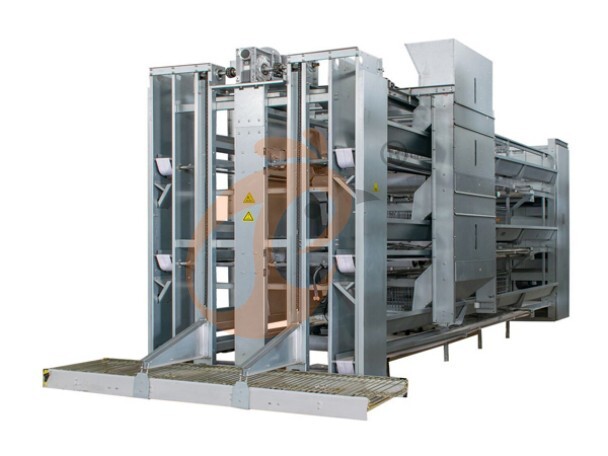
H type systems utilize vertical arrangements that connect multiple cage levels with automatic feeding, manure removal, and egg collection equipment.
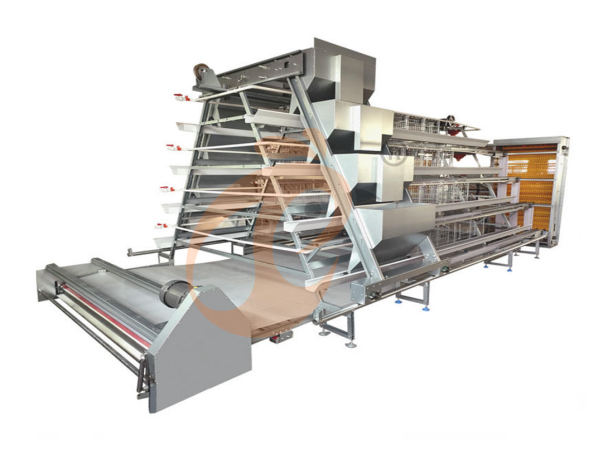
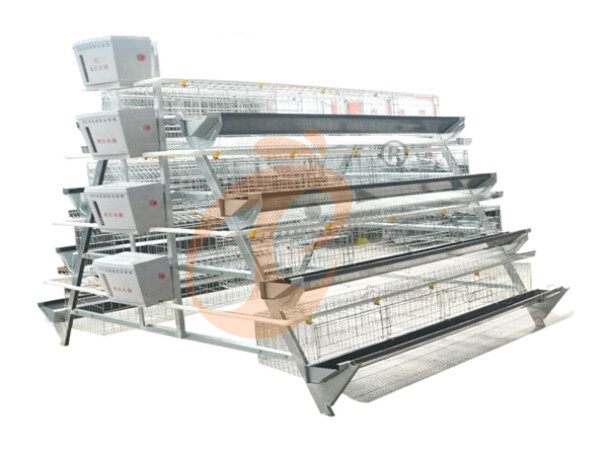
A type systems provide stable stepped structures suitable for farms requiring practical installation and easier equipment access.
Benefit 1: Improved Egg Production Management
Professional egg farms require accurate production control throughout daily operation.
Layer chicken cage system equipment creates organized cage rows where workers can monitor birds, manage feeding schedules, and operate automated collection processes.
The calculated module design allows farmers to select suitable equipment combinations based on flock size and building dimensions.
For example, H configuration modules can support 32 birds per tier, while A configuration modules can organize 40 birds per level.
Automatic egg collection systems reduce manual handling procedures and improve workflow consistency in commercial poultry projects.
Egg Collection And Production Data
Data is for reference only.Swipe horizontally to view full table.
Automated egg collection equipment is an important component of complete poultry equipment solutions.
Modern systems combine cage structures with conveyors and control units to improve production management efficiency.
Benefit 2: Better Space Utilization Efficiency
Farm construction costs depend greatly on effective building utilization.
Layer chicken cage system structures improve internal space organization through vertical cage arrangements and optimized module layouts.
H type designs are commonly selected for intensive egg farms because vertical stacking allows more birds within planned building areas.
A type structures provide another option where farms require balanced accessibility and practical installation.
The calculated H module footprint is approximately 1.56 square meters, while A module layouts use approximately 5.28 square meters per complete set.
These engineering values help farm designers prepare suitable building dimensions and equipment placement plans.
Cage Layout Calculation Data
Data is for reference only.Swipe horizontally to view full table.
Benefit 3: Automated Feeding And Watering Control
Feed and water management directly influence farm operation accuracy.
Layer chicken cage system equipment integrates automatic feeding lines and nipple drinking systems to provide scheduled supply management.
Automatic feeding equipment reduces repeated manual work and helps maintain consistent feed distribution across cage rows.
Professional poultry equipment projects combine storage systems, conveyors, pipelines, and control units according to farm requirements.
A well-designed feeding solution can support commercial operations with improved workflow organization.
Feeding System Engineering Parameters
Data is for reference only.Swipe horizontally to view full table.
Automated feeding and drinking systems create a complete management platform for modern egg farms.
Integrated equipment design improves production coordination by connecting feeding, watering, and monitoring processes.
(Continued…)
Enhanced Biosecurity Management
Biosecurity control is an important consideration for modern egg farm engineering projects.
Layer chicken cage system structures separate birds from accumulated waste through organized cage layouts and automatic manure handling equipment.
Automatic manure removal systems use belts or scraper mechanisms to transport waste away from cage areas, helping maintain cleaner production conditions.
Professional poultry equipment designs integrate waste management with ventilation and environmental monitoring systems to support stable farm operation.
A well-planned cage project can reduce unnecessary manual cleaning procedures and improve daily management efficiency.
Commercial farms selecting integrated systems often combine manure removal, feeding, drinking, and egg collection equipment into one complete production solution.
Environmental Control And Farm Hygiene Data
Data is for reference only.Swipe horizontally to view full table.
Environmental management is closely connected with cage system performance.
Modern layer chicken cage system projects usually include ventilation equipment, temperature monitoring, and humidity control components to create a coordinated farm environment.
Benefit 5: Labor Optimization And Long-Term Farm Operation
Labor management becomes increasingly important as egg farms expand production capacity.
Layer chicken cage system automation reduces repeated human activities through automatic feeding, egg collection, drinking management, and manure transportation.
Complete poultry equipment solutions allow operators to focus more on flock observation, maintenance planning, and production analysis instead of routine manual tasks.
H type layer cage systems are especially suitable for intensive farms because vertical structures connect multiple automated processes within a compact production layout.
A properly engineered project can support efficient operation management with approximately 2-4 workers assigned according to farm size and automation level.
Long-Term Equipment Performance Evaluation
Data is for reference only.Swipe horizontally to view full table.
Equipment durability directly affects farm investment planning.
Professional manufacturers usually provide customized engineering solutions according to farm capacity, climate conditions, and automation requirements.
H Type And A Type Cage Selection Guide
Different farms require different cage structures based on building conditions and management objectives.
H type layer cage systems use vertical multi-tier arrangements suitable for projects requiring intensive production planning and automated operation.
A type layer cage systems use a stable stepped structure that is often selected for farms requiring convenient installation and practical management.
The selection process should consider bird quantity, house dimensions, equipment automation requirements, and future expansion expectations.
A professional supplier evaluates the complete project before recommending suitable equipment combinations.
Cage Configuration Comparison Data
Data is for reference only.Swipe horizontally to view full table.
The selection between H type and A type depends on project scale and farm development strategy.
Both systems can be integrated with automatic feeding, drinking, manure removal, and egg collection equipment to create complete commercial poultry solutions.
Complete Turn-Key Layer Farm Engineering
Modern egg production requires more than cage installation.
A complete layer chicken cage system project includes equipment planning, manufacturing, transportation, installation support, and technical commissioning.
Professional poultry equipment suppliers provide engineering services covering farm layout design, automatic system integration, and production optimization.
Turn-key solutions help customers reduce project coordination complexity by connecting multiple equipment categories into one management system.
Large commercial farms often select complete solutions because integrated engineering improves installation efficiency and operational consistency.
Investment Planning For Commercial Egg Farms
Data is for reference only.Swipe horizontally to view full table.
Investment decisions should consider equipment quality, engineering support, and long-term operation requirements.
Currency-related project quotations follow European union standard reference only.
Conclusion
Layer chicken cage system technology provides commercial egg farms with integrated solutions combining housing structures, automation equipment, and production management.
Calculated H type and A type configurations allow farms to select suitable models according to bird capacity and building conditions.
Automatic feeding, drinking, egg collection, and manure removal systems improve operational organization and support modern poultry production.
Professional poultry equipment design creates scalable farm solutions for different markets and project requirements.
Advanced cage engineering represents an important direction for efficient and sustainable egg farm development.
Frequently Asked Questions
Q1: What is a layer chicken cage system designed for?
A1: A layer chicken cage system is designed for commercial egg production farms requiring organized housing, automated management, and efficient production control.
The system combines galvanized cage structures, automatic feeding lines, drinking equipment, egg collection devices, and manure management units into one complete poultry equipment solution.
Commercial configurations can be adjusted according to farm capacity, including modular designs supporting approximately 120 to 512 birds per production set.
Q2: How do H type layer cage and A type layer cage differ?
A2: H type layer cage systems use vertical multi-tier structures designed for intensive production layouts with automated equipment integration.
A type layer cage systems use stepped arrangements that provide practical installation options for different farm construction requirements.
H type modules can achieve calculated capacities around 32 birds per tier, while A type modules can organize approximately 40 birds per level according to engineering configuration.
Q3: What factors should be considered before installing cage equipment?
A3: Farm owners should evaluate bird quantity, building dimensions, automation requirements, climate conditions, and future expansion plans before selecting equipment.
Professional project planning includes cage arrangement, feeding system design, ventilation coordination, and installation support.
A complete poultry equipment project normally requires technical evaluation to match cage specifications with actual production goals.
Taiyu (HK) Group - One Of China Largest Layer Chicken Cage Manufacturer
- Layer chicken cage dystem provides engineered commercial egg housing equipment integrating cage structures, automatic production modules, and customized farm solutions for global poultry projects.
- Factory direct manufacturing delivers complete poultry equipment production with quality control procedures, technical inspection standards, and international supply capability.
- Turn-key engineering projects include farm planning, equipment configuration, installation guidance, system commissioning, and operational training services.
- Global poultry equipment supply covers automatic feeding, drinking systems, egg collection equipment, manure handling solutions, and environmental control technologies.
- International export experience supports commercial farms through project consulting, customized manufacturing, and technical service cooperation.
Contact Us To Received Your Customized Poultry Farm Plan
Headquarters And Branchs

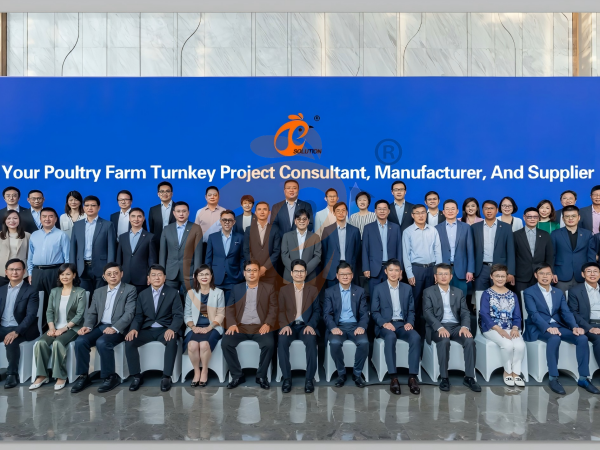
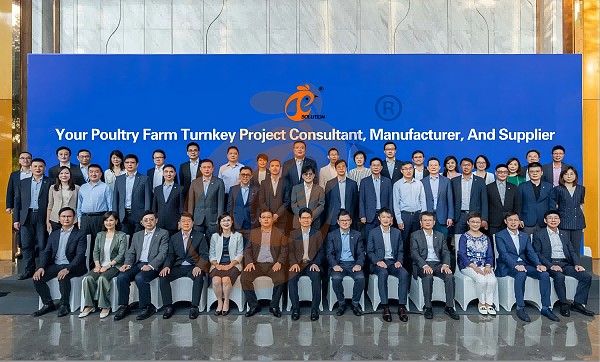
Hong Kong Headquarter Management Team
Hong Kong Headquarter Taiyu Industrial Group CO., LTD
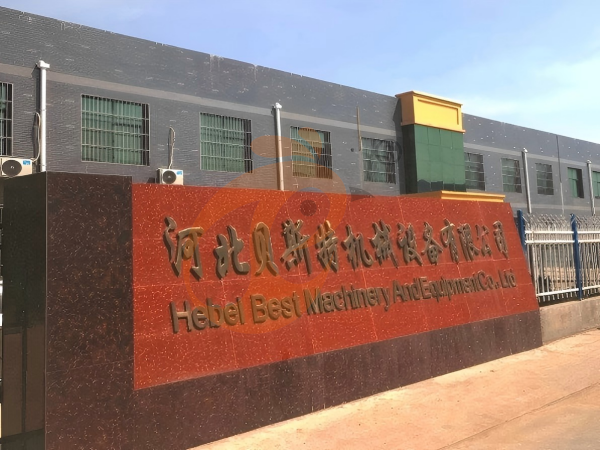
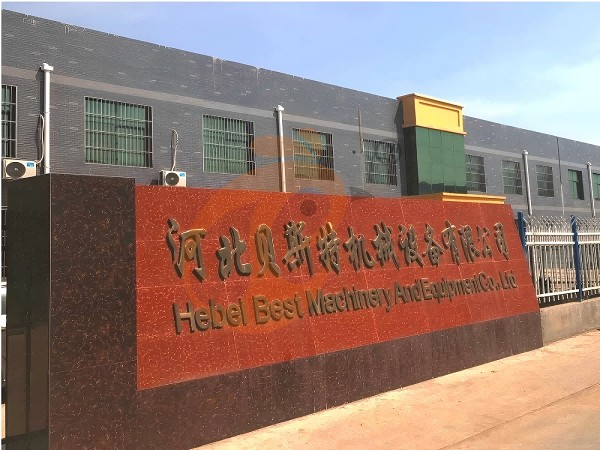
China Hebei Best Machinery And Equipment CO., LTD
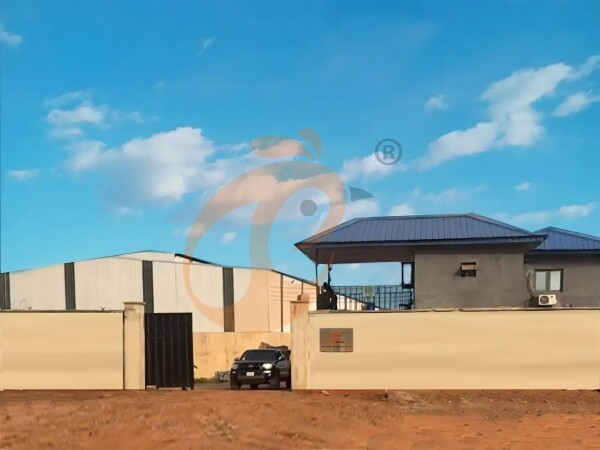
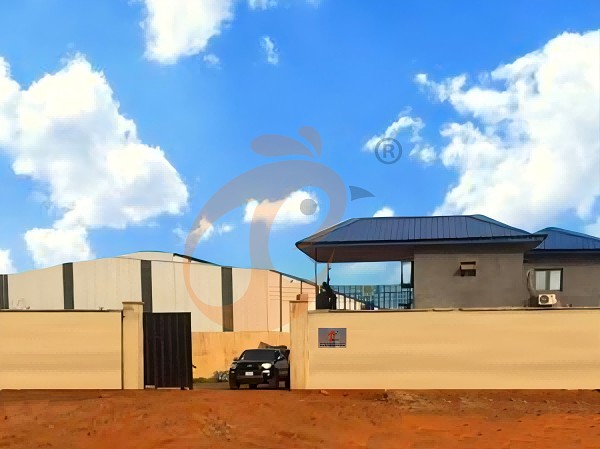
Nigeria Vanke Machinery And Equipment CO., LTD
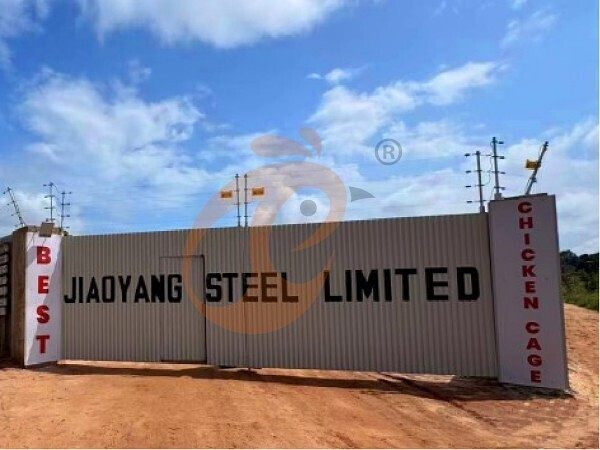
Tanzania Best Machinery And Equipment CO., LTD
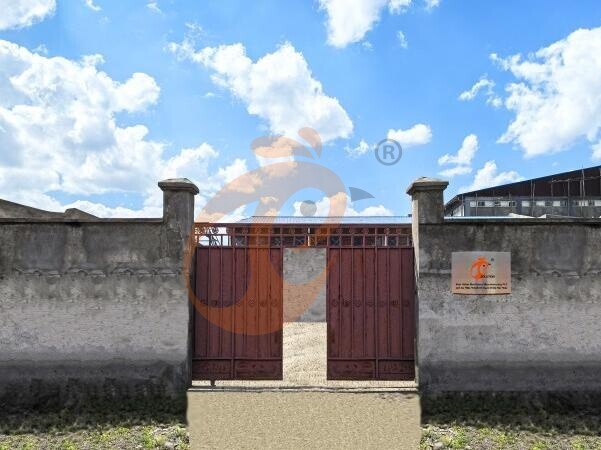
Ethiopia Best Hebei Machinery Manufacturing PLC
Reception /24 WhatsApp NO. : +8618830120193
MESSAGE
Products recommended
 HK Headquarter Offers EU-standard Poultry Farm Solutions, Manufacture Poultry Farm Equipment1. Continuous communication with the EU and the US
2. China, Nigeria, Ethiopia, Tanzania branch companies and factories
3. The products’ quality is customized for local poultry farms
4. Poultry cage and poultry farm equipment stock for sale
5. 24 online reception Whatsapp NO. : +8618830120193,contact us to get full informationRead More China Branch Offer Poultry Farm Business Plan, Manufacture Poultry Farm Equipment1. Address: Flat/RM 2416, 24/F, Runxing Building, Youyi Nan Street, Shijiazhuang City, Hebei Province, China
2. Poultry cage and poultry farm equipment factory and stock for sale
3. Customized for local poultry farms
4. Quality and design are based on Euro
5. 24 online reception Whatsapp NO. : +8618830120193Read More Nigeria Branch Offer Poultry Farm Business Plan, Manufacture Poultry Farm Equipment1. Address: After Sinoma Office, 200 Meters Near Danco Filling Station, Lagos/Ibadan Expressway, Lagos State, Nigeria
2. Poultry cage and poultry farm equipment factory and stock for sale
3. Customized for Nigerian poultry farms
4. Quality and design are based on Euro
5. 24 online reception Whatsapp NO. : +8618830120193Read More Ethiopia Branch Offer Poultry Farm Business Plan, Manufacture Poultry Farm Equipment1. Address: Gelan Gura, Akaki-kaliti Sub City, Addis Ababa, Ethiopia
2. Poultry cage and poultry farm equipment stock for sale
3. Customized for Ethiopian poultry farms
4. Quality and design are based on Euro
5. 24 online reception Whatsapp NO. : +8618830120193, contact us to get price listRead More Tanzania Branch Offer Poultry Farm Business Plan, Manufacture Poultry Farm Equipment1. Address: No.8, Sova Road, Msufini, Mlandizi, Kibaha, Pwani, Tanzania
2. Poultry cage and poultry farm equipment factory and stock for sale
3. Customized for Tanzanian poultry farms
4. Quality and design are based on Euro
5. 24 online reception Whatsapp NO. : +8618830120193Read More Automatic H Type Layer Battery Cage System1. 30,000-100,000+ layers/house chooses it
2. Structure type stacked 3-16 tiers range
3. Stocking density up to 17 birds/cage
4. Service life 25 years
5. Reception /WhatsApp NO. : +8618830120193Read More Automatic A Type Layer Battery Cage System1. 10,000-30,000+ layers/house chooses it
2. Lifespan 25+ years
3. Labor requirement 1 worker per 10,000 birds
4. Reduce disease rates by 15%-20%.
5. Reception /WhatsApp NO. : +8618830120193Read More Semi Automatic A Type Layer Battery Cage System1. 1,00-10,000+ layers/house chooses it
2. Egg breakage rate≤ 0.5%
3. Mesh spacing 2.5×2.5 cm
4. Egg collection floor slope 7–8°
5. Reception /WhatsApp NO. : +8618830120193Read More