Nigeria battery cage advantages represent a leading choice for investors seeking high efficiency, reduced labor, and better flock health.
Battery cage systems provide consistent egg production with improved feed conversion ratios, ensuring higher profitability.
Advanced environmental controls maintain optimal temperature, humidity, and ventilation, minimizing disease risks.
Automation in feeding, watering, and manure removal reduces operational costs and increases farm productivity.
Market trends and demand for eggs in Nigeria continue to grow, offering stable revenue opportunities.
Assess Production Efficiency And Flock Performance
Battery cage systems enhance operational efficiency through improved flock performance.
Flocks in battery cages demonstrate higher egg production, lower mortality, and reduced labor requirements compared to deep litter systems.
Investors seeking long-term profitability consider these advantages essential.
Data is for reference only. Swipe horizontally to view full table.
Automation and precise feeding reduce feed wastage by up to 12%.
Battery cage farms produce eggs 10–15% more consistently year-round.
Nigeria battery cage advantages help in mitigating labor shortages and improving egg quality.
Flock health monitoring integrated with IoT devices increases survival rates by 3–5%.
Evaluate Initial Capital And Operational Costs
Investment in battery cage systems demands upfront capital, but long-term operational efficiency offsets initial expenses.
Costs include cage structures, feeding and watering systems, environmental control, and labor.
Data is for reference only. Swipe horizontally to view full table.
Battery cage farms reduce manual labor costs by approximately 60%.
Automated systems optimize feeding schedules, ensuring minimal wastage.
Nigeria battery cage advantages include better ROI through faster payback periods.
Understand Environmental And Health Management
Battery cage systems allow precise control of environmental factors, ensuring flock health.
Proper ventilation, temperature regulation, and lighting are critical for optimal performance.
Data is for reference only. Swipe horizontally to view full table.
Nigeria battery cage advantages reduce mortality rates to 2–4%.
Vaccination and biosecurity practices complement environmental controls.
IoT-enabled sensors monitor temperature and humidity in real time, providing alerts.
Farms implementing smart control report up to 7% higher egg output annually.
Analyze Market Trends And Revenue Projections
Egg consumption in Nigeria remains robust, with urban demand increasing steadily.
Investors must monitor price trends, distribution logistics, and seasonal demand fluctuations.
Data is for reference only. Swipe horizontally to view full table.
Nigeria battery cage advantages allow investors to predict revenue more accurately.
Diversified sales channels reduce risk of market price volatility.
Seasonal promotions and wholesale agreements enhance profitability.
Farms integrating IoT sales tracking report improved cash flow and logistics efficiency.
Integrating IoT And Smart Control Systems In Farms
Modern battery cage farms benefit from IoT and intelligent control systems.
These systems include automatic feeders, drinkers, egg collectors, and environmental monitoring devices.Smart poultry farms in Africa are growing by 15–18% annually.
IoT sensors track temperature, humidity, and feed consumption in real time.
Smart systems reduce labor by 25–30% while improving egg quality.
Automated alerts allow immediate action to prevent disease spread.
Historical data analysis predicts peak production periods and market trends.
Data is for reference only. Swipe horizontally to view full table.
Risk Assessment Strategies
Investment in battery cage farms includes risks such as disease outbreaks, feed price volatility, equipment failure, and labor shortages. Applying structured risk assessment minimizes losses.
Data is for reference only. Swipe horizontally to view full table.
Nigeria battery cage advantages mitigate several operational risks.
Contingency planning and insurance provide financial security.
Regular equipment maintenance reduces unexpected downtime.
FAQ Section
Q1: What is the typical lifespan of battery cages in Nigeria?
A1: High-quality H-type battery cages last approximately 20–25 years with proper maintenance.Q2: How much labor is needed for a 10,000-bird battery cage farm?
A2: About 3–4 workers daily are sufficient, depending on automation level.Q3: Can IoT systems significantly improve production efficiency?
A3: Yes, IoT and smart control systems can boost egg production by 5–7%.
HB BEST - One Of China Largest Battery Cage Advantages Supplier
HB BEST provides turnkey poultry farm equipment solutions worldwide.
Factory direct sales ensure competitive pricing on poultry cages and automated systems.
Global customers benefit from integrated poultry farm design, installation, and maintenance.
HB BEST specializes in poultry cage manufacturing with production capacity of 50,000 cages annually.
Professional services include consultation, delivery, and after-sale support for large-scale farms
Contact Us To Received Your Customized Poultry Farm Plan
Headquarters And Branchs

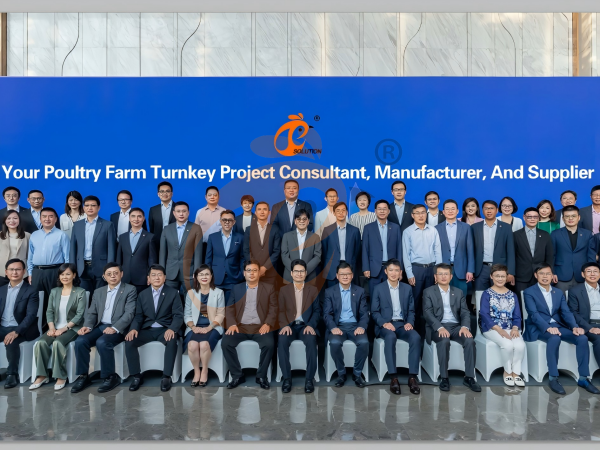
Hong Kong Headquarter Management Team
Hong Kong Headquarter Taiyu Industrial Group CO., LTD
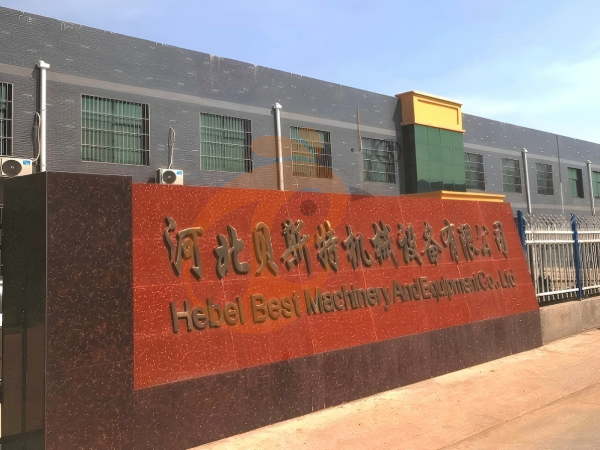
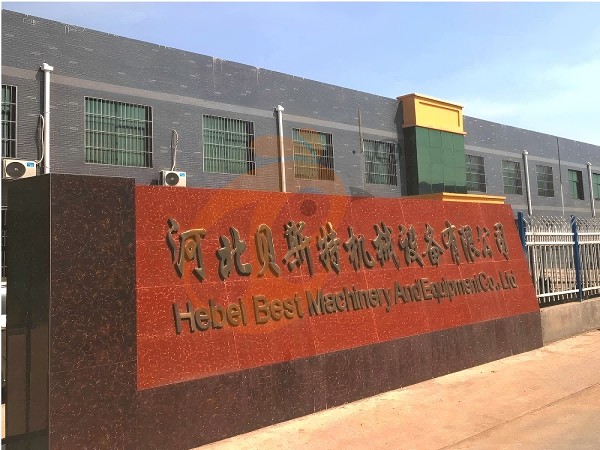
China Hebei Best Machinery And Equipment CO., LTD
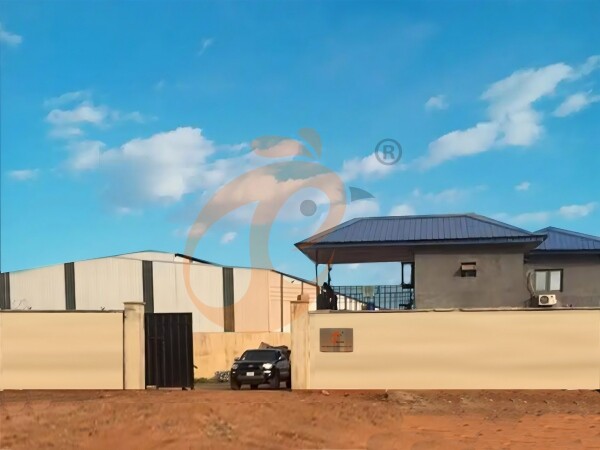
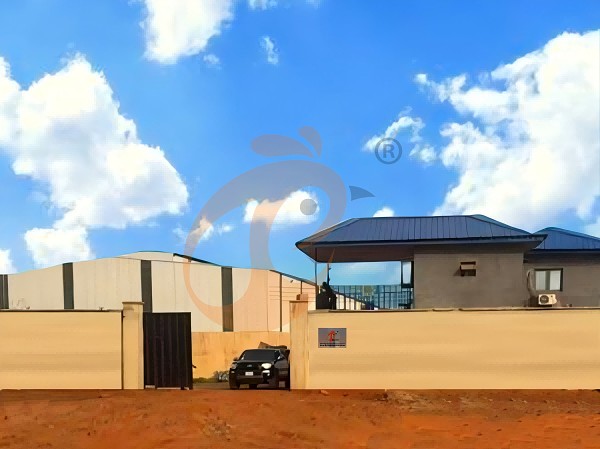
Nigeria Vanke Machinery And Equipment CO., LTD
Tanzania Best Machinery And Equipment CO., LTD
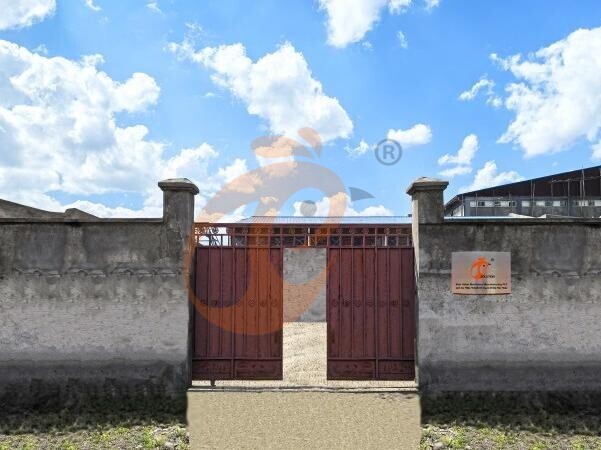
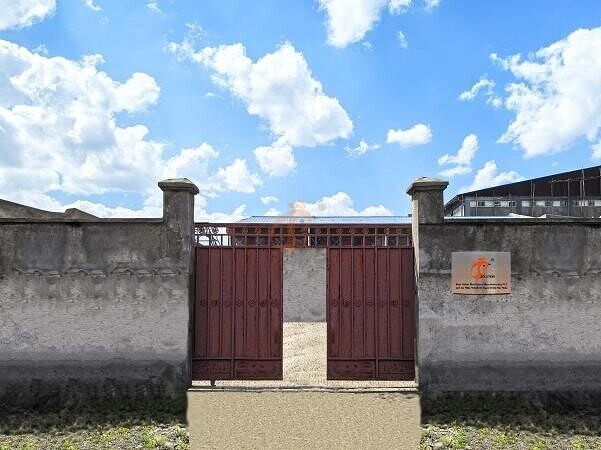
Ethiopia Best Hebei Machinery Manufacturing PLC
Reception /24 WhatsApp NO. : +8618830120193
MESSAGE
Products recommended
 HK Headquarter Offers EU-standard Poultry Farm Solutions, Manufacture Poultry Farm Equipment1. Continuous communication with the EU and the US
2. China, Nigeria, Ethiopia, Tanzania branch companies and factories
3. The products’ quality is customized for local poultry farms
4. Poultry cage and poultry farm equipment stock for sale
5. 24 online reception Whatsapp NO. : +8618830120193,contact us to get full informationRead More China Branch Offer Poultry Farm Business Plan, Manufacture Poultry Farm Equipment1. Address: Flat/RM 2416, 24/F, Runxing Building, Youyi Nan Street, Shijiazhuang City, Hebei Province, China
2. Poultry cage and poultry farm equipment factory and stock for sale
3. Customized for local poultry farms
4. Quality and design are based on Euro
5. 24 online reception Whatsapp NO. : +8618830120193Read More Nigeria Branch Offer Poultry Farm Business Plan, Manufacture Poultry Farm Equipment1. Address: After Sinoma Office, 200 Meters Near Danco Filling Station, Lagos/Ibadan Expressway, Lagos State, Nigeria
2. Poultry cage and poultry farm equipment factory and stock for sale
3. Customized for Nigerian poultry farms
4. Quality and design are based on Euro
5. 24 online reception Whatsapp NO. : +8618830120193Read More Ethiopia Branch Offer Poultry Farm Business Plan, Manufacture Poultry Farm Equipment1. Address: WR93+FQ2, Addis Ababa, Ethiopia
2. Poultry cage and poultry farm equipment stock for sale
3. Customized for Ethiopian poultry farms
4. Quality and design are based on Euro
5. 24 online reception Whatsapp NO. : +8618830120193, contact us to get price listRead More Tanzania Branch Offer Poultry Farm Business Plan, Manufacture Poultry Farm Equipment1. Address: No.8, Sova Road, Msufini, Mlandizi, Kibaha, Pwani, Tanzania
2. Poultry cage and poultry farm equipment factory and stock for sale
3. Customized for Tanzanian poultry farms
4. Quality and design are based on Euro
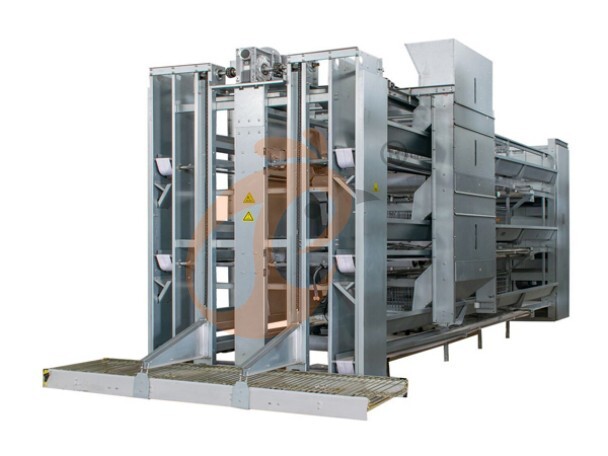
5. 24 online reception Whatsapp NO. : +8618830120193Read More Automatic H Type Layer Battery Cage System1. 30,000-100,000+ layers/house chooses it
2. Structure type stacked 3-16 tiers range
3. Stocking density up to 17 birds/cage
4. Service life 25 years
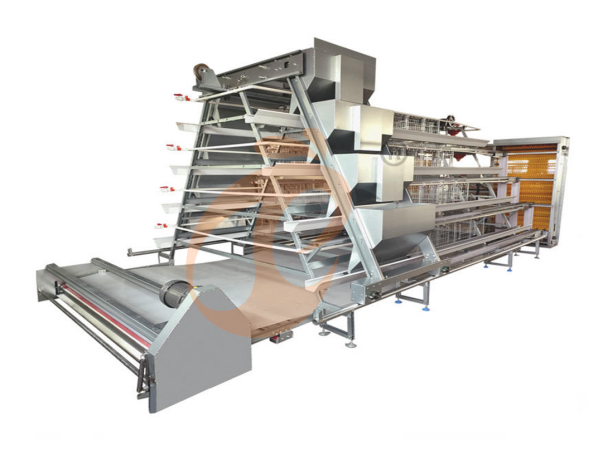
5. Reception /WhatsApp NO. : +8618830120193Read More Automatic A Type Layer Battery Cage System1. 10,000-30,000+ layers/house chooses it
2. Lifespan 25+ years
3. Labor requirement 1 worker per 10,000 birds
4. Reduce disease rates by 15%-20%.
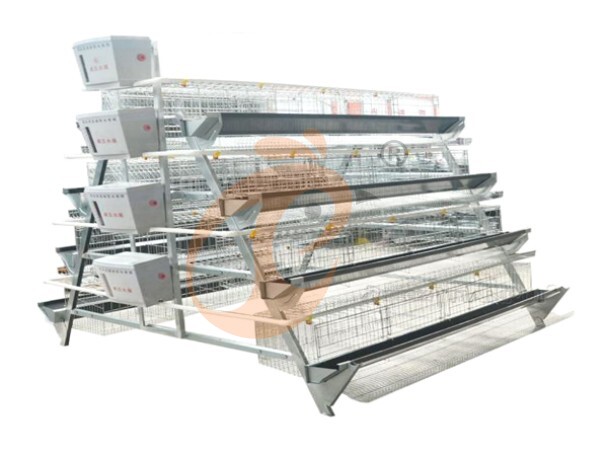
5. Reception /WhatsApp NO. : +8618830120193Read More Semi Automatic A Type Layer Battery Cage System1. 1,00-10,000+ layers/house chooses it
2. Egg breakage rate≤ 0.5%
3. Mesh spacing 2.5×2.5 cm
4. Egg collection floor slope 7–8°
5. Reception /WhatsApp NO. : +8618830120193Read More