Nigeria battery cage advantages have become essential for maximizing egg production ROI.
The Nigerian poultry industry produces approximately 15.8 billion eggs annually, supporting 180 million birds, reflecting massive market potential.
Total annual turnover exceeds ₦1,440,000,000,000 ($3.2 billion USD), emphasizing financial significance.
Egg consumption is projected to reach 600,000 metric tons by 2026, up from 596,000 metric tons in 2021.
Efficient production systems are key to profitability and long-term sustainability.
Basic Battery Cage System Information
Data is for reference only. Swipe horizontally to view full table.
Battery cage systems are designed to maximize Nigeria battery cage advantages including higher bird density per housing footprint and improved operational efficiency through modular tier configurations.
The standardized floor space per bird ensures compliance with common commercial practice, supporting both productivity and bird welfare in intensive layer farming.
Advanced poultry battery cages feature options for automated feeding, watering, egg collection, and manure removal to streamline management even in large commercial operations.
Superior Feed Conversion Efficiency And Reduced Wastage
Data is for reference only. Swipe horizontally to view full table.
Battery cage systems reduce unnecessary bird movement, conserving energy for egg production and minimizing feed spillage.
Early trials show Nigeria battery cage advantages can improve feed utilization by up to 8% compared to deep litter systems.
Automation and smart feeding equipment further enhance feed efficiency in large-scale farms.
Higher Laying Rate And Consistent Egg Quality
Data is for reference only. Swipe horizontally to view full table.
Battery cages provide a stress-free, controlled environment improving laying performance.
Eggs are collected quickly and hygienically, ensuring higher grade A percentages.
Integration of Nigeria battery cage advantages with automated egg collection increases uniformity and reduces human error.
Advanced lighting and temperature control systems in cages further stabilize production cycles.
Lower Mortality Rate And Enhanced Disease Control
Data is for reference only. Swipe horizontally to view full table.
The cage system reduces bird contact with droppings, breaking pathogen transmission cycles and cutting disease-related costs.
Studies indicate mortality rates under 3% are achievable in automated cage setups.
Use of Nigeria battery cage advantages contributes to stronger flock health and reduced medication expenditure.
IoT sensors can track real-time health parameters, enabling early disease detection and intervention on commercial farms.
Optimized Labour Requirement And Operational Cost Reduction
Data is for reference only. Swipe horizontally to view full table.
Automation reduces manual labor significantly.
Mechanized feeding, watering, and egg collection systems allow one worker to manage thousands of birds.
Nigeria battery cage advantages ensure operational efficiency, lowering ongoing labor costs.
Smart control systems monitor environmental conditions and worker tasks, further reducing operational inefficiencies.
Measurable Return On Investment (ROI) And Profitability
Data is for reference only. Swipe horizontally to view full table.
Reduced feed costs, lower mortality, higher egg yield, and labor efficiency generate superior ROI.
Nigeria battery cage advantages accelerate capital recovery and increase net farm income.
IoT-enabled performance dashboards provide farm managers real-time profit monitoring, enhancing financial decision-making.
Smart IoT And Intelligent Control System Applications In Poultry Farms
Integration of IoT and intelligent control systems in layer farms can optimize environmental parameters, feed supply, and disease monitoring.
Real-world Nigerian farm trials show that automated temperature and humidity controls reduce energy costs by 12%, while IoT-enabled feed dispensers cut wastage by 6%.
Remote monitoring apps allow farm managers to oversee flock performance on smartphones, providing alerts for anomalies.
These technologies complement Nigeria battery cage advantages and significantly enhance productivity and ROI in modern commercial layer farms.
Frequently Asked Questions (FAQ)
Q1: How much feed savings can a 1,000-bird battery cage farm achieve annually?
A1: Typically, 5–8% feed wastage reduction, equivalent to ₦1,200,000–₦1,800,000 savings per 1,000 birds.
Q2: Does the battery cage system reduce mortality effectively?
A2: Yes, mortality rates can drop below 3% annually due to separation from droppings and improved biosecurity.
Q3: Can labor requirements be significantly lowered with cages?
A3: Absolutely. Automated feeding, watering, and egg collection reduce labor by up to 50% compared to deep litter systems.
HB BEST - One Of China Largest Battery Cage Advantages Manufacturer
Global presence: HB BEST supplies poultry equipment and turnkey solutions worldwide, supporting large-scale farms.
Factory direct sales: Eliminates middlemen, reducing costs for international clients.
Full poultry equipment portfolio: Includes layer cages, feeding systems, ventilation, and IoT monitoring solutions.
Turnkey projects: Complete farm construction with integrated automation and management systems.
Reliable quality & service: Over 20 years experience, serving farms in Asia, Africa, Europe, and America, ensuring ROI optimization.
Contact Us To Received Your Customized Poultry Farm Plan
Headquarters And Branchs

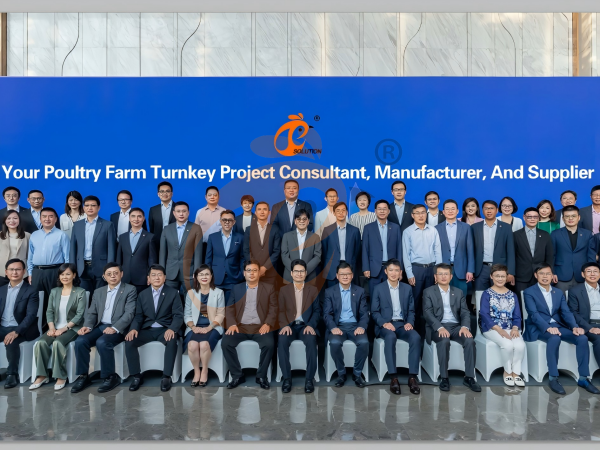
Hong Kong Headquarter Management Team
Hong Kong Headquarter Taiyu Industrial Group CO., LTD
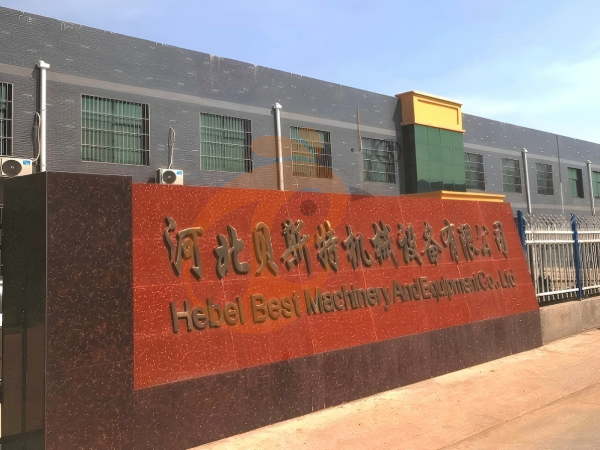
China Hebei Best Machinery And Equipment CO., LTD
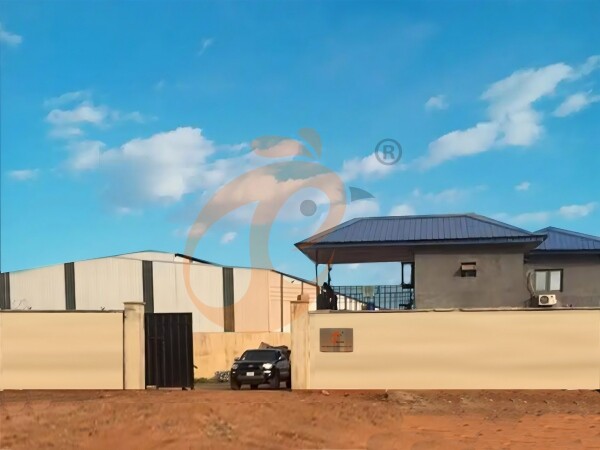
Nigeria Vanke Machinery And Equipment CO., LTD
Tanzania Best Machinery And Equipment CO., LTD
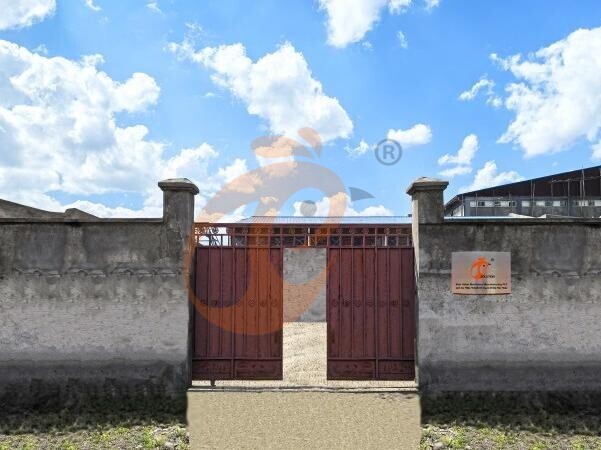
Ethiopia Best Hebei Machinery Manufacturing PLC




Reception /24 WhatsApp NO. : +8618830120193
MESSAGE
Products recommended
 HK Headquarter Offers EU-standard Poultry Farm Solutions, Manufacture Poultry Farm Equipment1. Continuous communication with the EU and the US
2. China, Nigeria, Ethiopia, Tanzania branch companies and factories
3. The products’ quality is customized for local poultry farms
4. Poultry cage and poultry farm equipment stock for sale
5. 24 online reception Whatsapp NO. : +8618830120193,contact us to get full informationRead More China Branch Offer Poultry Farm Business Plan, Manufacture Poultry Farm Equipment1. Address: Flat/RM 2416, 24/F, Runxing Building, Youyi Nan Street, Shijiazhuang City, Hebei Province, China
2. Poultry cage and poultry farm equipment factory and stock for sale
3. Customized for local poultry farms
4. Quality and design are based on Euro
5. 24 online reception Whatsapp NO. : +8618830120193Read More Nigeria Branch Offer Poultry Farm Business Plan, Manufacture Poultry Farm Equipment1. Address: After Sinoma Office, 200 Meters Near Danco Filling Station, Lagos/Ibadan Expressway, Lagos State, Nigeria
2. Poultry cage and poultry farm equipment factory and stock for sale
3. Customized for Nigerian poultry farms
4. Quality and design are based on Euro
5. 24 online reception Whatsapp NO. : +8618830120193Read More Ethiopia Branch Offer Poultry Farm Business Plan, Manufacture Poultry Farm Equipment1. Address: WR93+FQ2, Addis Ababa, Ethiopia
2. Poultry cage and poultry farm equipment stock for sale
3. Customized for Ethiopian poultry farms
4. Quality and design are based on Euro
5. 24 online reception Whatsapp NO. : +8618830120193, contact us to get price listRead More Tanzania Branch Offer Poultry Farm Business Plan, Manufacture Poultry Farm Equipment1. Address: No.8, Sova Road, Msufini, Mlandizi, Kibaha, Pwani, Tanzania
2. Poultry cage and poultry farm equipment factory and stock for sale
3. Customized for Tanzanian poultry farms
4. Quality and design are based on Euro
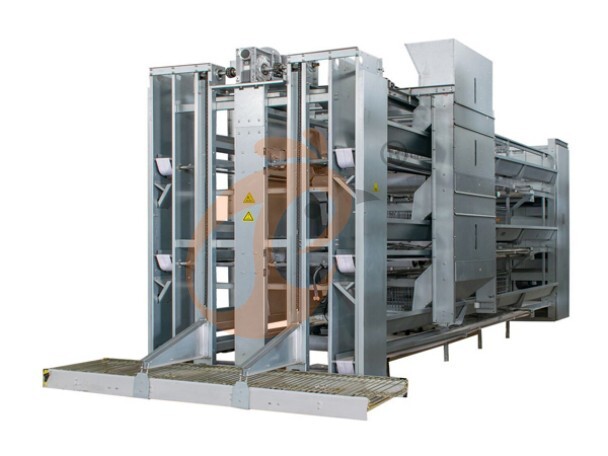
5. 24 online reception Whatsapp NO. : +8618830120193Read More Automatic H Type Layer Battery Cage System1. 30,000-100,000+ layers/house chooses it
2. Structure type stacked 3-16 tiers range
3. Stocking density up to 17 birds/cage
4. Service life 25 years
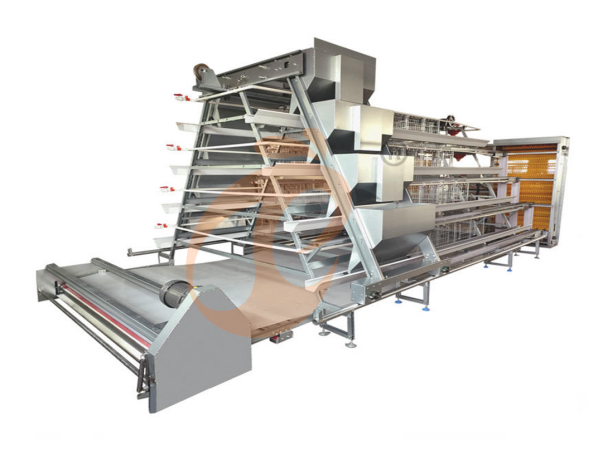
5. Reception /WhatsApp NO. : +8618830120193Read More Automatic A Type Layer Battery Cage System1. 10,000-30,000+ layers/house chooses it
2. Lifespan 25+ years
3. Labor requirement 1 worker per 10,000 birds
4. Reduce disease rates by 15%-20%.
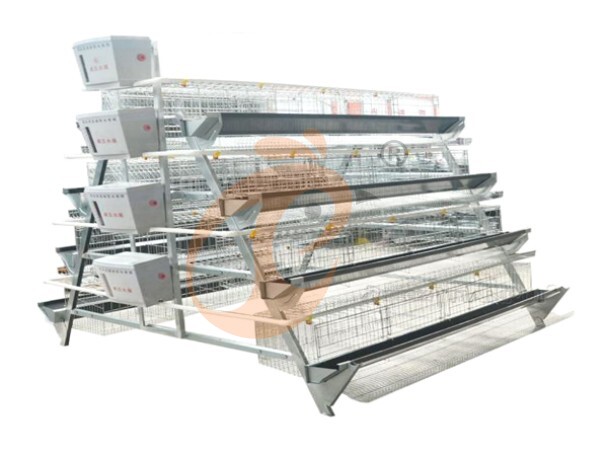
5. Reception /WhatsApp NO. : +8618830120193Read More Semi Automatic A Type Layer Battery Cage System1. 1,00-10,000+ layers/house chooses it
2. Egg breakage rate≤ 0.5%
3. Mesh spacing 2.5×2.5 cm
4. Egg collection floor slope 7–8°
5. Reception /WhatsApp NO. : +8618830120193Read More