Nigeria battery cage for layer remains one of the most cost‑effective and scalable systems for commercial egg production
Proper cage design, materials and automation maximize space utilization and reduce labor and disease risks
A well‑planned implementation supports consistent egg yield, feed efficiency, and long‑term profitability
For farms with 5,000+ layers, modern layer cage systems deliver operational stability, simplified management, and scalable growth
Housing Specification
Data is for reference only. Swipe horizontally to view full table.
In commercial layer operations, Nigerian poultry farms using Nigeria battery cage for layer systems often target a per‑bird space allowance in the range of approximately 430–500 cm² per hen, which aligns with common regional recommendations.
This more flexible configuration table allows for different flock sizes, bird breeds and stocking density policies.
Smaller farms or more welfare‑conscious operations may adopt lower stocking tiers (e.g. H3 or H4) with lower total birds.
Larger farms aiming at higher capacity may prefer H8, H12 or H16 — trading off space per bird vs overall output.
Adjusting "Birds per Tier" or "Space per Bird" parameters helps adapt to different management standards, climate conditions and welfare guidelines.
Cage Material And Longevity
Data is for reference only. Swipe horizontally to view full table.
Choosing robust materials with corrosion‑resistant treatment is essential for Nigeria’s humid climate.
Hot‑dip galvanized cages under Nigeria battery cage for layer projects often last a decade or more with proper maintenance.
Reducing replacement frequency and lowering long‑term costs.
Feeding, Watering And Waste Management
Data is for reference only. Swipe horizontally to view full table.
Automation in feeding, watering, and manure removal significantly simplifies daily chores on a layer farm.
For Nigeria battery cage for layer systems, these components help ensure uniform nutrition and hygiene — reducing feed waste and lowering disease risk.
Efficient waste management also supports flock health and improves egg-laying consistency.
Egg Collection Performance
Data is for reference only. Swipe horizontally to view full table.
Automatic egg collection systems are a key part of Nigeria battery cage for layer farms.
With properly sized conveyors, egg breakage and contamination are minimized.
For a 5,000+ layer farm, a mid‑size conveyor (e.g. 400 mm width, 10–12 m/min) will comfortably handle daily output while maintaining low egg loss rates.
This improves both yield and economic return.
Suggested Farm Layout For 5,000 Layers
Data is for reference only. Swipe horizontally to view full table.
This layout table supports planning for a 5,000+ layer poultry house.
Depending on land availability, building height limits, and management preferences, different cage models can be chosen.
For a moderate‑size commercial farm, H5 or H8 tends to offer optimal balance between capacity, access, and maintenance workload.
Operational Efficiency And Productivity Gains
Integration of Nigeria battery cage for layer in farms delivers measurable improvements for producers.
Compared with traditional deep‑litter or floor systems, cage farms see reduced disease incidence, lower mortality rates, and better feed conversion ratios (FCR) because hens expend less energy on movement.
More energy goes into egg production.
Using modern battery cage systems, farmers often report 10–15% higher egg output within the first year of transition.
Controlled feeding and watering, along with clean environment, support uniform laying cycles and consistent egg quality.
Farm Case: Mid-Scale Layer Farm In Nigeria
Data is for reference only. Swipe horizontally to view full table.
IoT And Smart Control Integration On Layer Farms
Modern Nigeria battery cage for layer operations benefit significantly from IoT (Internet of Things) and smart control systems.
Sensors for temperature, humidity, ammonia, water flow and feed level feed real-time data to a central monitoring platform.
When ambient temperature exceeds a preset threshold (e.g. 30 °C), automated ventilation fans and adjustable curtains engage to maintain optimal climate.
Feed delivery and water supply are controlled automatically, ensuring stable intake.
Waste belts can be timed or triggered by sensor input to remove manure periodically, preventing build-up.
Smart control also enables remote alerts — notifying farm managers of feed shortage or water system errors via SMS or app.
This reduces human error, improves biosecurity, enhances data recording, and supports faster decision-making.
Frequently Asked Questions
Q: What makes battery cages more suitable than deep‑litter systems for commercial egg farms?
A: Battery cages allow higher bird density per square meter while maintaining hygiene.
Controlled feeding, water access, and waste removal reduce disease risk and feed waste.
Q: How does automation impact maintenance and labor cost on a layer farm?
A: Automated feeding, watering, egg collection and manure removal dramatically lower manual labor.
One worker can manage several hundred layers.
Q: Is the upfront cost justified for a 5,000+ layer farm using battery cages?
A: Yes, long-term benefits in egg yield, feed efficiency, lower mortality, reduced labor and maintenance make it cost-effective.
HB BEST - One Of China Toppest Battery Cage For Layer Supplier
HB BEST has extensive experience producing high‑quality Nigeria battery cage for layer systems.
Our factory uses durable Q235 steel, hot‑dip galvanization, and multi‑tier cage designs tailored for Nigeria battery cage for layer setups.
We provide complete solutions: design, export, installation guidance, and after‑sales support.
Investments per set for African farms typically range around US $250–$300 (local currency equivalent), following EU standards for structural strength (for reference only).
Ready supply for 5,000 to 100,000+ layers
Custom layout and installation guidance
Technical support for operation and maintenance
Interactive consultation available for farm planning
Contact Us To Received Your Customized Poultry Farm Plan
Headquarters And Branchs

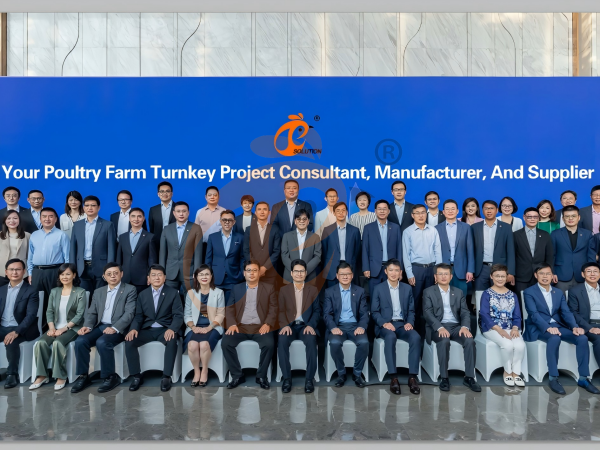
Hong Kong Headquarter Management Team
Hong Kong Headquarter Taiyu Industrial Group CO., LTD
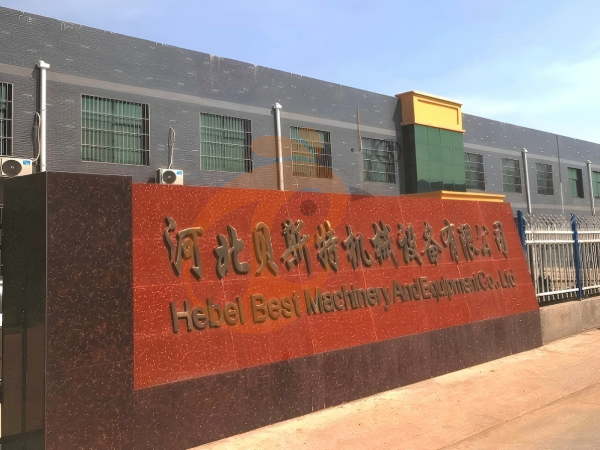
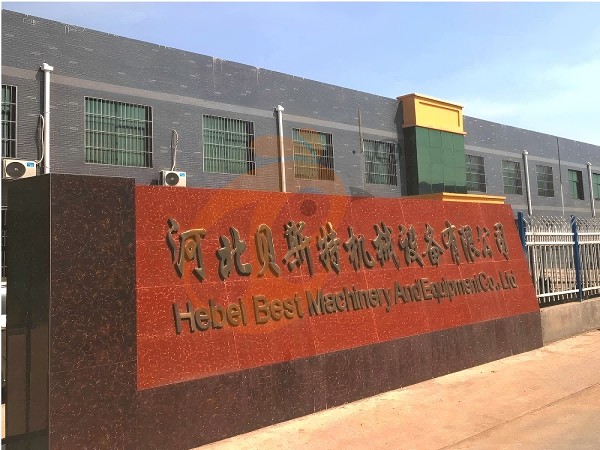
China Hebei Best Machinery And Equipment CO., LTD
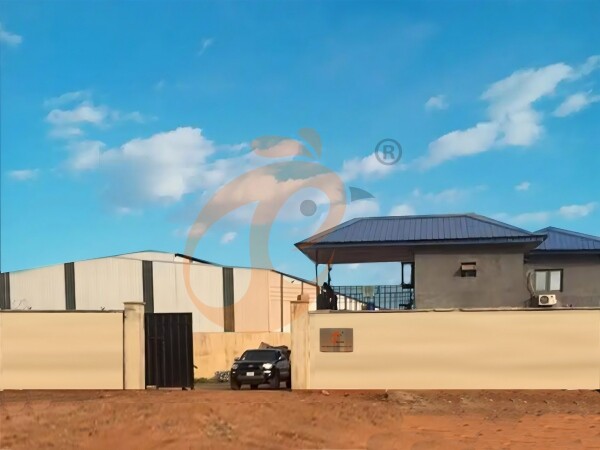
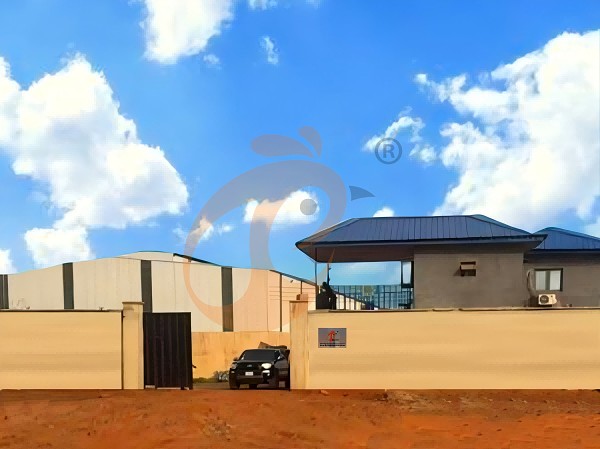
Nigeria Vanke Machinery And Equipment CO., LTD
Tanzania Best Machinery And Equipment CO., LTD
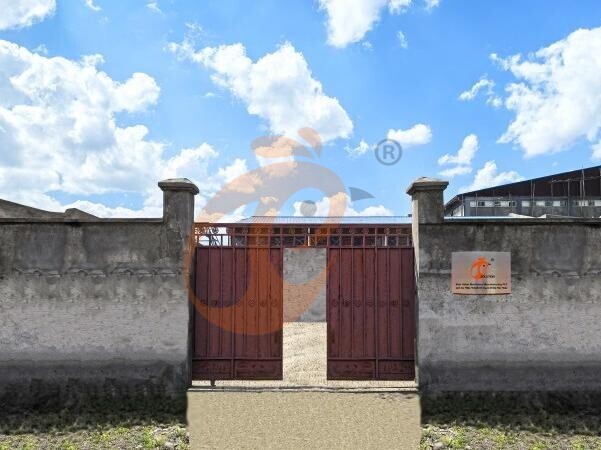
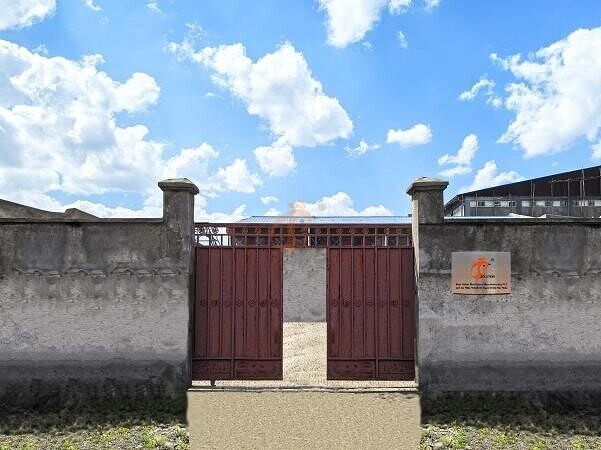
Ethiopia Best Hebei Machinery Manufacturing PLC
Reception /24 WhatsApp NO. : +8618830120193
MESSAGE
Products recommended
 HK Headquarter Offers EU-standard Poultry Farm Solutions, Manufacture Poultry Farm Equipment1. Continuous communication with the EU and the US
2. China, Nigeria, Ethiopia, Tanzania branch companies and factories
3. The products’ quality is customized for local poultry farms
4. Poultry cage and poultry farm equipment stock for sale
5. 24 online reception Whatsapp NO. : +8618830120193,contact us to get full informationRead More China Branch Offer Poultry Farm Business Plan, Manufacture Poultry Farm Equipment1. Address: Flat/RM 2416, 24/F, Runxing Building, Youyi Nan Street, Shijiazhuang City, Hebei Province, China
2. Poultry cage and poultry farm equipment factory and stock for sale
3. Customized for local poultry farms
4. Quality and design are based on Euro
5. 24 online reception Whatsapp NO. : +8618830120193Read More Nigeria Branch Offer Poultry Farm Business Plan, Manufacture Poultry Farm Equipment1. Address: After Sinoma Office, 200 Meters Near Danco Filling Station, Lagos/Ibadan Expressway, Lagos State, Nigeria
2. Poultry cage and poultry farm equipment factory and stock for sale
3. Customized for Nigerian poultry farms
4. Quality and design are based on Euro
5. 24 online reception Whatsapp NO. : +8618830120193Read More Ethiopia Branch Offer Poultry Farm Business Plan, Manufacture Poultry Farm Equipment1. Address: WR93+FQ2, Addis Ababa, Ethiopia
2. Poultry cage and poultry farm equipment stock for sale
3. Customized for Ethiopian poultry farms
4. Quality and design are based on Euro
5. 24 online reception Whatsapp NO. : +8618830120193, contact us to get price listRead More Tanzania Branch Offer Poultry Farm Business Plan, Manufacture Poultry Farm Equipment1. Address: No.8, Sova Road, Msufini, Mlandizi, Kibaha, Pwani, Tanzania
2. Poultry cage and poultry farm equipment factory and stock for sale
3. Customized for Tanzanian poultry farms
4. Quality and design are based on Euro
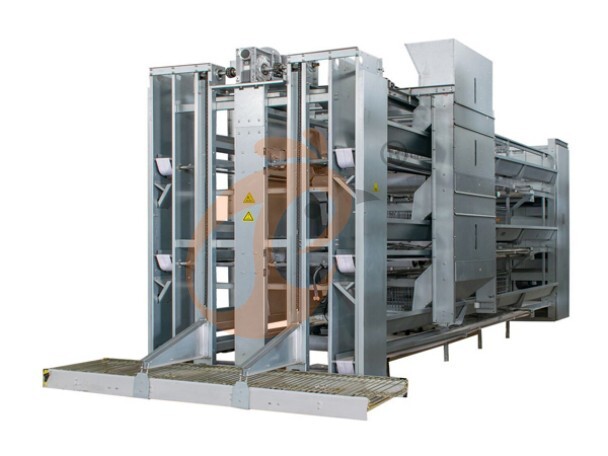
5. 24 online reception Whatsapp NO. : +8618830120193Read More Automatic H Type Layer Battery Cage System1. 30,000-100,000+ layers/house chooses it
2. Structure type stacked 3-16 tiers range
3. Stocking density up to 17 birds/cage
4. Service life 25 years
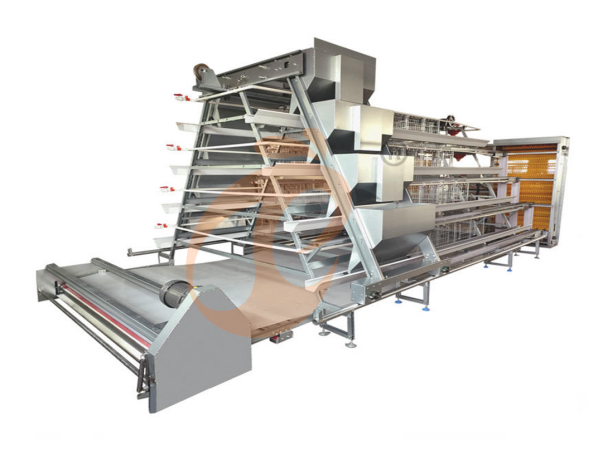
5. Reception /WhatsApp NO. : +8618830120193Read More Automatic A Type Layer Battery Cage System1. 10,000-30,000+ layers/house chooses it
2. Lifespan 25+ years
3. Labor requirement 1 worker per 10,000 birds
4. Reduce disease rates by 15%-20%.
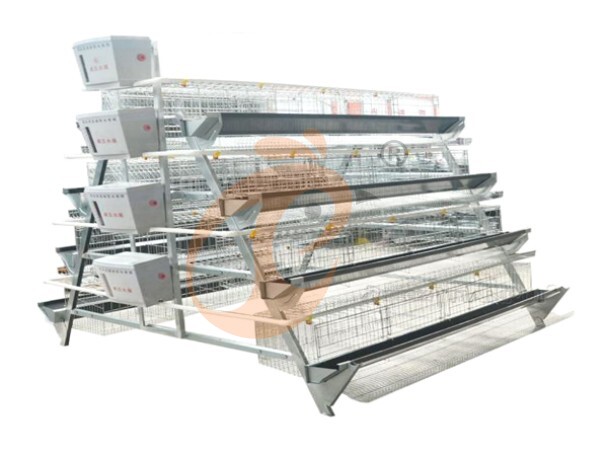
5. Reception /WhatsApp NO. : +8618830120193Read More Semi Automatic A Type Layer Battery Cage System1. 1,00-10,000+ layers/house chooses it
2. Egg breakage rate≤ 0.5%
3. Mesh spacing 2.5×2.5 cm
4. Egg collection floor slope 7–8°
5. Reception /WhatsApp NO. : +8618830120193Read More