Pellet machine performance Ethiopia improvement requires localized biomass strategies and operational precision.
This article explains feedstock selection, moisture control, and preprocessing optimization methods.
It also analyzes machine parameter tuning under Ethiopian altitude and environmental conditions.
Logistics, energy efficiency, and maintenance challenges in Ethiopia are addressed with solutions.
Practical data tables provide technical guidance tailored to Ethiopian pellet production realities.
Get professional poultry farm construction guidance, equipment selection solutions, and the latest price lists, whatsApp to +8618830120193, click to learn more

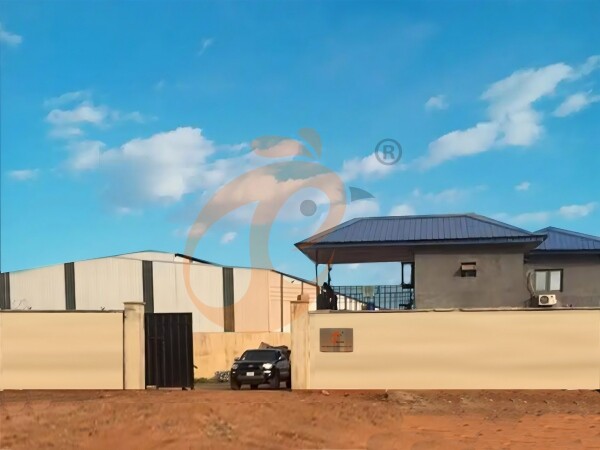
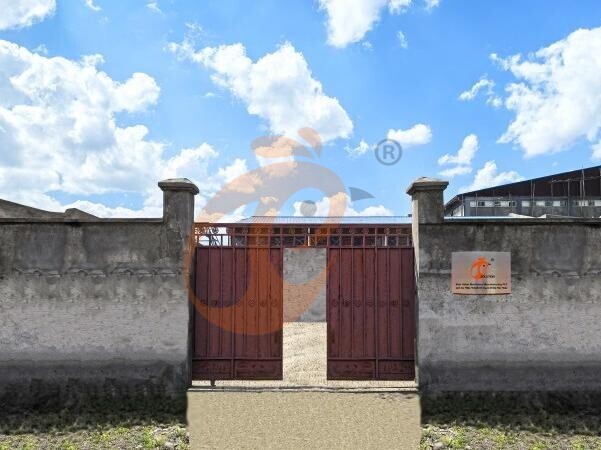
Ethiopia Branch Office And Factory Of Poultry Farm Equipment
Optimize Feedstock Selection Based On Ethiopian Biomass Diversity
Ethiopia's pellet production relies heavily on agricultural residues such as teff straw, coffee husks, maize stalks, and bagasse.
These materials vary significantly in fiber composition, ash content, and moisture levels, directly impacting pellet quality.
Data is for reference only.Swipe horizontally to view full table.
In Ethiopia, improper feedstock blending often leads to unstable pellet density and excessive fines.
Facilities should implement material mixing ratios such as combining woody biomass and agricultural residues to stabilize lignin binding.
Local bamboo and forestry residues in Oromia provide consistent raw materials that improve production stability.
Control Moisture Content Through Pre-Processing Systems
Moisture control is one of the most critical parameters in pellet production.
In Ethiopia's highland and humid regions, raw biomass often exceeds optimal moisture levels, reducing pellet durability.
Data is for reference only.Swipe horizontally to view full table.
Solar assisted drying systems are highly suitable in Ethiopia due to strong solar radiation in regions like Afar.
This approach reduces operational costs measured in Ethiopian Birr (ETB) and lowers dependence on grid electricity.
(European union standard reference only)
Improve Size Reduction Efficiency Using Proper Machinery
Particle size uniformity directly influences pellet durability and machine throughput.
Many Ethiopian facilities use outdated hammer mills, leading to inconsistent particle sizes.
Data is for reference only.Swipe horizontally to view full table.
Efficient preprocessing reduces vibration, improves pellet uniformity, and extends die lifespan.
Uniform particle size also improves compression efficiency during pelletizing.
Optimize Pellet Machine Parameters For Ethiopian Conditions
Pellet machines must be calibrated based on local raw materials and altitude conditions.
Ethiopia's high altitude regions influence cooling efficiency and air density during pellet formation.
Data is for reference only.Swipe horizontally to view full table.
Proper parameter calibration reduces energy consumption and improves pellet consistency.
Incorrect settings often lead to cracking and excessive dust generation.
Reduce Logistics Costs With Decentralized Production Models
Transportation of biomass is a major cost factor in Ethiopia due to infrastructure limitations.
Rural biomass sources are often far from centralized pellet plants.
Data is for reference only.Swipe horizontally to view full table.
Decentralized systems reduce transport costs in Ethiopian Birr and minimize raw material loss during transit.
(European union standard reference only)
This approach is effective in regions with dispersed agricultural production.
Implement Energy Efficient Systems To Reduce Power Constraints
Electricity supply instability is a key challenge in Ethiopia's industrial sector.
Energy efficient pellet production systems help maintain stable operations.
Data is for reference only.Swipe horizontally to view full table.
Energy optimization reduces production costs and improves sustainability in Ethiopian pellet plants.
Strengthen Maintenance And Operator Training
Skilled labor shortages affect pellet machine performance in Ethiopia.
Regular maintenance ensures long term operational stability.
Data is for reference only.Swipe horizontally to view full table.
Training local technicians improves productivity and reduces downtime.
It also extends equipment lifespan under continuous operation.
Align Production With Ethiopia's Energy Market Demand
Ethiopia's biomass energy sector is expanding due to industrial and household demand.
Matching pellet specifications with market demand improves profitability.
Data is for reference only.Swipe horizontally to view full table.
Understanding demand trends helps Ethiopian producers adjust production strategies effectively.
Frequently Asked Questions
Q1: Is pellet production suitable for rural Ethiopia conditions?
A1: Yes, pellet production is suitable due to abundant agricultural residues.
Decentralized pellet systems allow rural farmers to convert waste into energy products efficiently.
Q2: How can Ethiopian producers reduce pellet production costs?
A2: Using solar drying systems and local biomass significantly reduces operational expenses in Ethiopian Birr.
Improving logistics and adopting energy efficient machines also lowers costs.
Q3: What type of raw material is most suitable in Ethiopia?
A3: Coffee husk and bagasse are widely available and provide stable pellet performance.
Blending different biomass materials improves consistency and output quality.
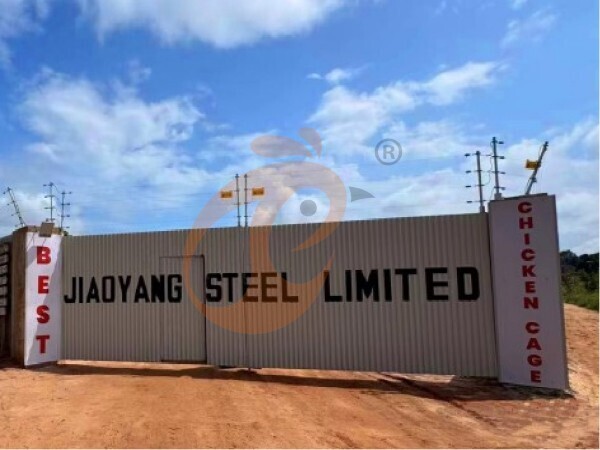
Ethiopia Best Hebei Machinery Manufacturing Plc - One Of Ethiopia Largest Chicken Cage Supplier
- Global factory direct supply ensures competitive pricing and stable equipment delivery timelines worldwide.
- The company provides advanced poultry farm equipment including poultry cage systems for modern farming needs.
- Turn key engineering solutions support full project implementation from design to installation and training.
- Professional technical teams offer long term service support for equipment maintenance and operational efficiency.
Extensive export experience ensures reliable solutions tailored for diverse agricultural environments and production scales.
Contact Us To Received Your Customized Poultry Farm Plan
Headquarters And Branchs

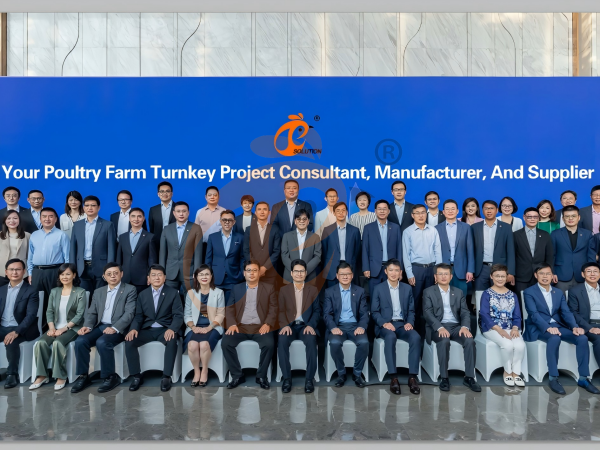
Hong Kong Headquarter Management Team
Hong Kong Headquarter Taiyu Industrial Group CO., LTD
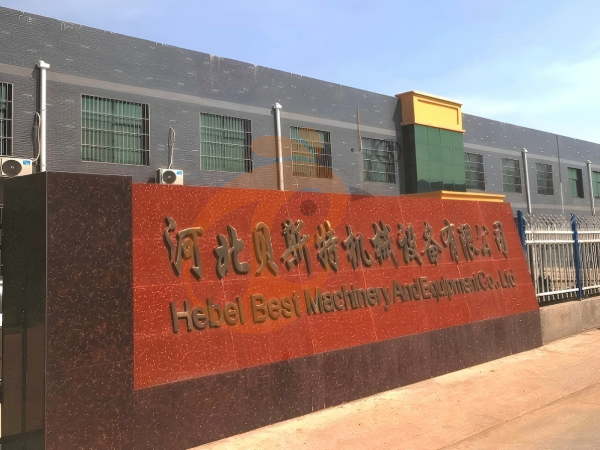
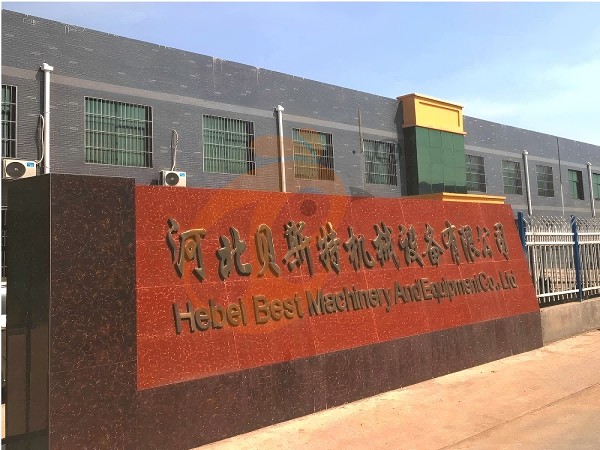
China Hebei Best Machinery And Equipment CO., LTD
Nigeria Vanke Machinery And Equipment CO., LTD
Tanzania Best Machinery And Equipment CO., LTD
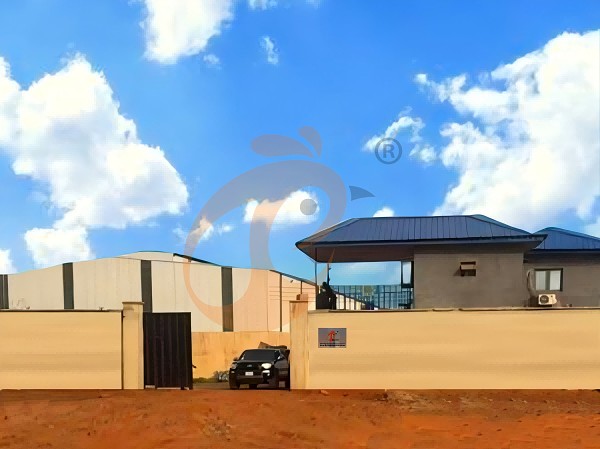
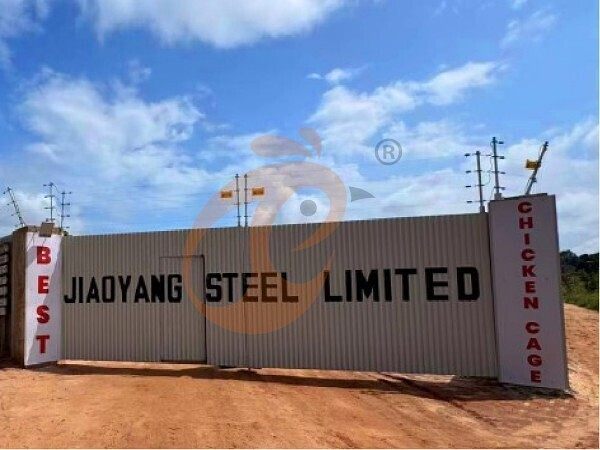
Ethiopia Best Hebei Machinery Manufacturing PLC

Reception /24 WhatsApp NO. : +8618830120193
MESSAGE
Products recommended
 HK Headquarter Offers EU-standard Poultry Farm Solutions, Manufacture Poultry Farm Equipment1. Continuous communication with the EU and the US
2. China, Nigeria, Ethiopia, Tanzania branch companies and factories
3. The products’ quality is customized for local poultry farms
4. Poultry cage and poultry farm equipment stock for sale
5. 24 online reception Whatsapp NO. : +8618830120193,contact us to get full informationRead More China Branch Offer Poultry Farm Business Plan, Manufacture Poultry Farm Equipment1. Address: Flat/RM 2416, 24/F, Runxing Building, Youyi Nan Street, Shijiazhuang City, Hebei Province, China
2. Poultry cage and poultry farm equipment factory and stock for sale
3. Customized for local poultry farms
4. Quality and design are based on Euro
5. 24 online reception Whatsapp NO. : +8618830120193Read More Nigeria Branch Offer Poultry Farm Business Plan, Manufacture Poultry Farm Equipment1. Address: After Sinoma Office, 200 Meters Near Danco Filling Station, Lagos/Ibadan Expressway, Lagos State, Nigeria
2. Poultry cage and poultry farm equipment factory and stock for sale
3. Customized for Nigerian poultry farms
4. Quality and design are based on Euro
5. 24 online reception Whatsapp NO. : +8618830120193Read More Ethiopia Branch Offer Poultry Farm Business Plan, Manufacture Poultry Farm Equipment1. Address: WR93+FQ2, Addis Ababa, Ethiopia
2. Poultry cage and poultry farm equipment stock for sale
3. Customized for Ethiopian poultry farms
4. Quality and design are based on Euro
5. 24 online reception Whatsapp NO. : +8618830120193, contact us to get price listRead More Tanzania Branch Offer Poultry Farm Business Plan, Manufacture Poultry Farm Equipment1. Address: No.8, Sova Road, Msufini, Mlandizi, Kibaha, Pwani, Tanzania
2. Poultry cage and poultry farm equipment factory and stock for sale
3. Customized for Tanzanian poultry farms
4. Quality and design are based on Euro
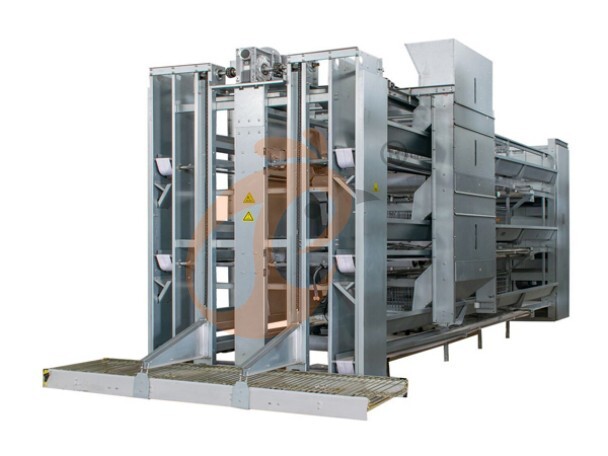
5. 24 online reception Whatsapp NO. : +8618830120193Read More Automatic H Type Layer Battery Cage System1. 30,000-100,000+ layers/house chooses it
2. Structure type stacked 3-16 tiers range
3. Stocking density up to 17 birds/cage
4. Service life 25 years
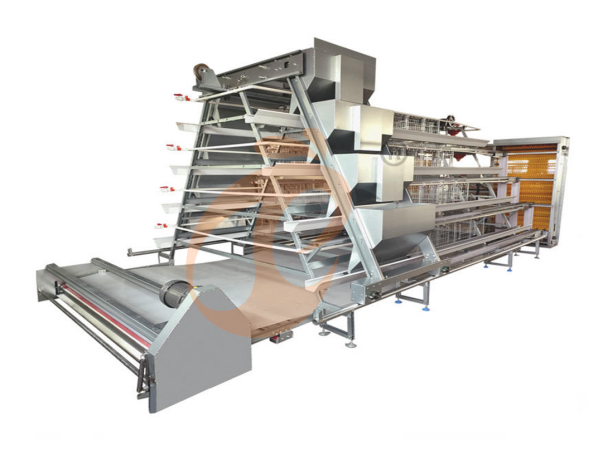
5. Reception /WhatsApp NO. : +8618830120193Read More Automatic A Type Layer Battery Cage System1. 10,000-30,000+ layers/house chooses it
2. Lifespan 25+ years
3. Labor requirement 1 worker per 10,000 birds
4. Reduce disease rates by 15%-20%.
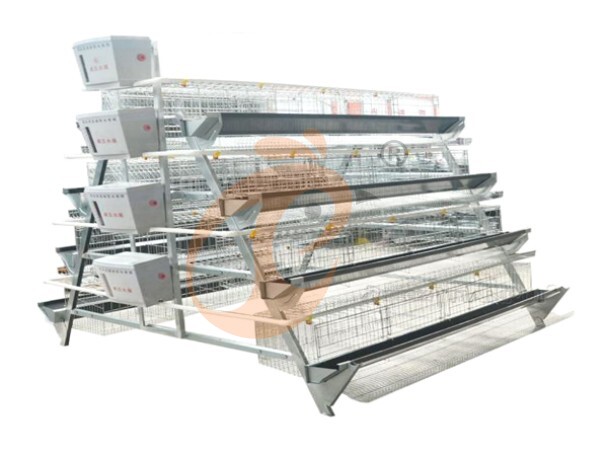
5. Reception /WhatsApp NO. : +8618830120193Read More Semi Automatic A Type Layer Battery Cage System1. 1,00-10,000+ layers/house chooses it
2. Egg breakage rate≤ 0.5%
3. Mesh spacing 2.5×2.5 cm
4. Egg collection floor slope 7–8°
5. Reception /WhatsApp NO. : +8618830120193Read More