Pellet machine energy saving Ethiopia techniques are essential for reducing production cost in weak grid regions such as Oromia and Amhara.
This article explains six technical optimization methods based on Ethiopian biomass conditions, including coffee husk and teff straw processing.
It analyzes pellet machine energy consumption, drying systems, feedstock behavior, and hybrid energy architecture.
It provides structured engineering solutions for reducing kWh per ton and stabilizing pellet output under Ethiopian operational constraints.
Get professional poultry farm construction guidance, equipment selection solutions, and the latest price lists, whatsApp to +8618830120193, click to learn more.

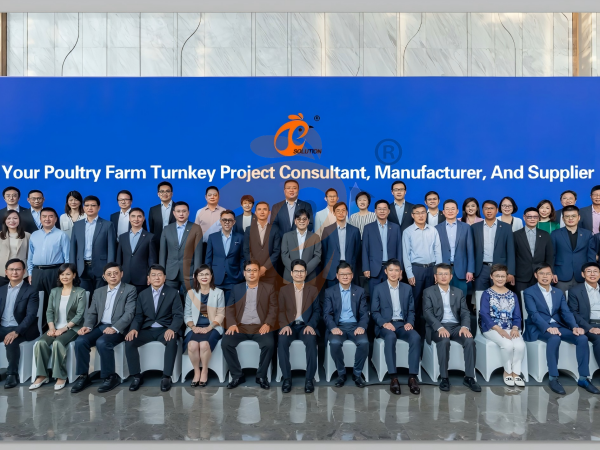
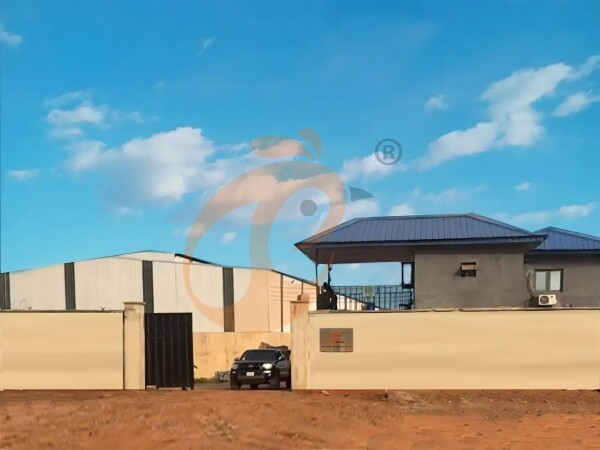
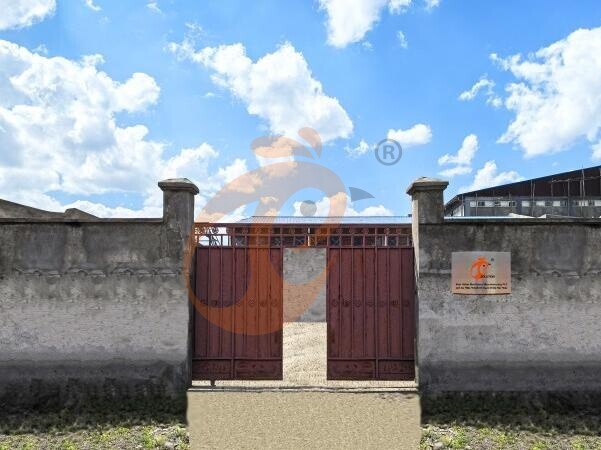
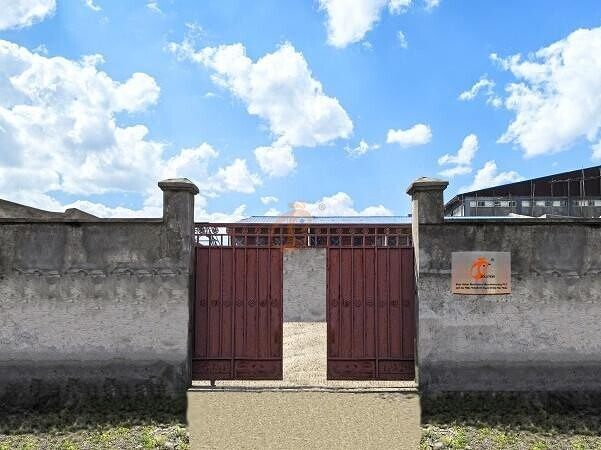
Ethiopia Branch Office And Factory Of Poultry Farm Equipment
Ethiopia Pellet Energy Context Overview
Ethiopia's pellet production sector is expanding in Addis Ababa industrial outskirts, Hawassa, and regional agro-processing corridors.
Electricity instability and diesel dependency increase operational cost and cause inconsistent pellet density.
Many operators report voltage fluctuation between 170V and 240V, which directly affects motor torque stability and increases specific energy consumption.
Energy saving in pellet machine systems is therefore a structural engineering requirement rather than a cost optimization option.
Ethiopian Biomass Feedstock Engineering Profile
Data is for reference only.Swipe horizontally to view full table.
Feedstock inconsistency increases pellet machine energy load by 20–45% depending on moisture and fiber composition.
Pellet Machine Energy Consumption Baseline Ethiopia
Data is for reference only.Swipe horizontally to view full table.
In many Ethiopian rural plants, diesel generator usage increases production cost by 18–35% depending on fuel availability.
Vfd Optimization For Ethiopian Grid Instability
Variable frequency drive is widely used in Ethiopia to stabilize motor torque under voltage fluctuation conditions.
This technology reduces startup shock and improves energy conversion efficiency.
Data is for reference only.Swipe horizontally to view full table.
VFD systems reduce generator runtime in Oromia cooperative plants by approximately 2 hours per production cycle.
Die Compression Optimization Ethiopia Pellet Machine
Pellet machine die selection significantly affects friction heat and compression energy demand.
Ethiopian biomass mix requires customized die ratios.
Data is for reference only.Swipe horizontally to view full table.
Improper die selection increases energy demand by up to 22 kWh per ton in Ethiopian field conditions.
Solar Drying System Ethiopia Biomass Processing
Solar drying is widely applicable in Ethiopia due to high irradiation levels between 5.2 and 6.8 kWh per square meter per day.
It reduces moisture content before pelletization.
Data is for reference only.Swipe horizontally to view full table.
Reducing moisture from 32% to 15% lowers pellet machine energy consumption by up to 38 kWh per ton.
Maintenance System For Pellet Machine Ethiopia
Maintenance quality directly affects torque stability and energy consumption in Ethiopian decentralized plants.
Data is for reference only.Swipe horizontally to view full table.
In Bahir Dar small production units, maintenance scheduling reduces annual waste by 9–14 MWh per machine.
Feed Rate Control Ethiopia Cooperative Pellet System
Feed inconsistency is one of the most significant causes of energy fluctuation in Ethiopian cooperative systems.
Data is for reference only.Swipe horizontally to view full table.
Controlled feeding reduces peak electrical load spikes in weak grid rural Ethiopia.
Hybrid Energy System Ethiopia Pellet Plant
Hybrid systems combining solar, grid, and diesel are increasingly used in Ethiopian agro-industrial zones.
Data is for reference only.Swipe horizontally to view full table.
European union standard reference only.
Hybrid systems in Hawassa reduce fuel dependency by 28–36% in field trials.
Energy Optimization Integration Ethiopia Pellet Machine System
Data is for reference only.Swipe horizontally to view full table.
Combined system reduces total energy demand by 30–55% under Ethiopian production conditions.
Field Case Ethiopia Sidama Pellet Facility
A Sidama region pellet plant processing coffee husk and eucalyptus implemented VFD control, solar greenhouse drying, screw conveyor feeding, and scheduled maintenance.
Operational results
Energy consumption reduced from 92 kWh per ton to 61 kWh per ton
Diesel usage reduced from 5.2 liters per ton to 3.4 liters per ton
Equipment downtime reduced from 21 hours per month to 11 hours per month
Pellet density deviation reduced from 9% to 4%
Frequently Asked Questions
Q1: Is pellet machine energy saving technology suitable for Ethiopia unstable electricity areas?
A1: Yes. VFD systems and hybrid energy configurations are specifically effective under Ethiopian voltage fluctuation conditions between 170V and 240V. They stabilize motor torque and reduce generator dependency.
Q2: Can Ethiopian agricultural residues like teff straw and coffee husk be directly used without drying?
A2: Direct use is not recommended.
Moisture above 30% increases energy consumption by more than 25 kWh per ton and causes die blockage.
Solar greenhouse drying is recommended before pelletization.
Q3: What is the main cost driver of pellet production in Ethiopia?
A3: The main cost driver is not electricity tariff alone but feedstock inconsistency, moisture variation, and generator diesel usage in rural zones such as Amhara and Oromia.
Ethiopia Best Hebei Machinery Manufacturing Plc - One Of Ethiopia Biggest Pellet Machine Exporter
Ethiopia best hebei machinery manufacturing Plc delivers global factory direct supply of poultry farm equipment integrated with pellet machine engineering systems for Ethiopian agro industrial development.
The company provides advanced poultry cage systems, chicken cage layouts, and pellet production equipment with full turn key engineering solutions for Ethiopia rural and industrial farms.
It supports Ethiopia livestock and biomass sectors with integrated installation services covering poultry cage systems, feed processing equipment, and energy optimization engineering.
The company operates global factory direct manufacturing channels ensuring stable supply of poultry farm equipment and pellet machine systems for Ethiopian market demand.
Ethiopia best hebei machinery manufacturing Plc focuses on turn key project delivery combining poultry cage, poultry farm equipment, and biomass energy systems for scalable Ethiopian agriculture development.
Contact Us To Received Your Customized Poultry Farm Plan
Headquarters And Branchs
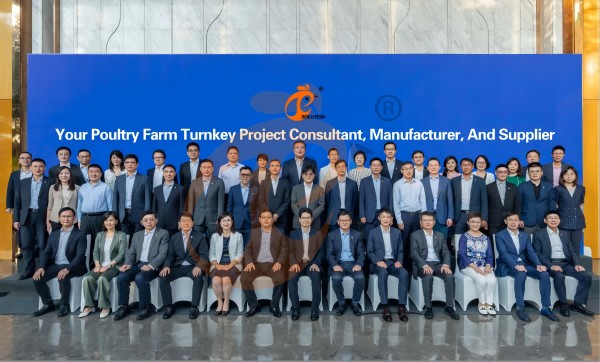
Hong Kong Headquarter Management Team
Hong Kong Headquarter Taiyu Industrial Group CO., LTD
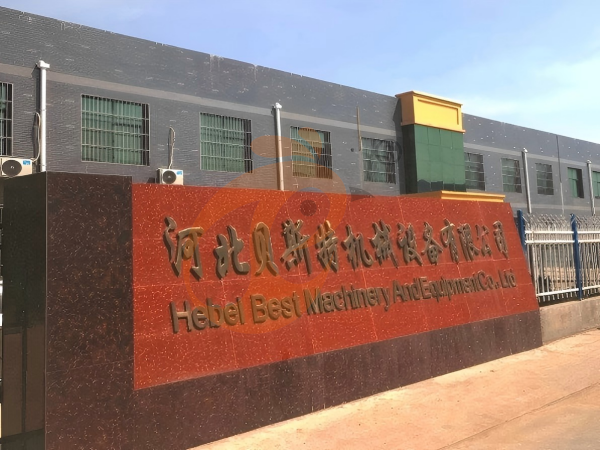
China Hebei Best Machinery And Equipment CO., LTD
Nigeria Vanke Machinery And Equipment CO., LTD
Tanzania Best Machinery And Equipment CO., LTD
Ethiopia Best Hebei Machinery Manufacturing PLC
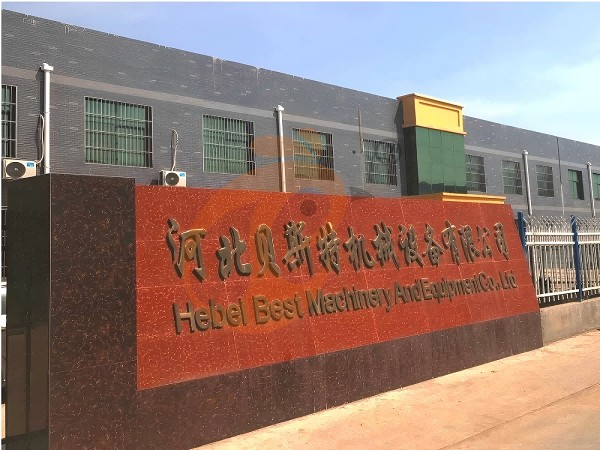
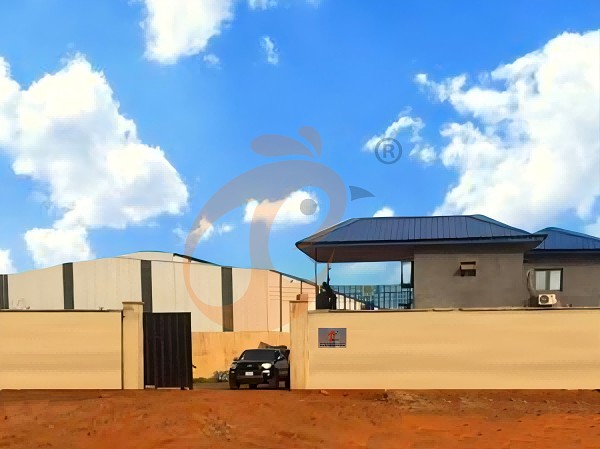
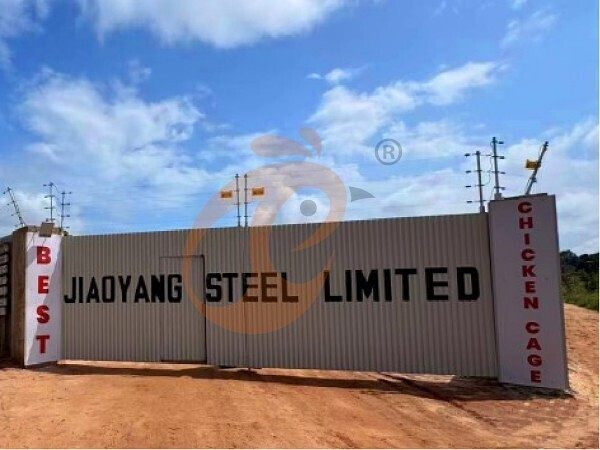
Reception /24 WhatsApp NO. : +8618830120193
MESSAGE
Products recommended
 HK Headquarter Offers EU-standard Poultry Farm Solutions, Manufacture Poultry Farm Equipment1. Continuous communication with the EU and the US
2. China, Nigeria, Ethiopia, Tanzania branch companies and factories
3. The products’ quality is customized for local poultry farms
4. Poultry cage and poultry farm equipment stock for sale
5. 24 online reception Whatsapp NO. : +8618830120193,contact us to get full informationRead More China Branch Offer Poultry Farm Business Plan, Manufacture Poultry Farm Equipment1. Address: Flat/RM 2416, 24/F, Runxing Building, Youyi Nan Street, Shijiazhuang City, Hebei Province, China
2. Poultry cage and poultry farm equipment factory and stock for sale
3. Customized for local poultry farms
4. Quality and design are based on Euro
5. 24 online reception Whatsapp NO. : +8618830120193Read More Nigeria Branch Offer Poultry Farm Business Plan, Manufacture Poultry Farm Equipment1. Address: After Sinoma Office, 200 Meters Near Danco Filling Station, Lagos/Ibadan Expressway, Lagos State, Nigeria
2. Poultry cage and poultry farm equipment factory and stock for sale
3. Customized for Nigerian poultry farms
4. Quality and design are based on Euro
5. 24 online reception Whatsapp NO. : +8618830120193Read More Ethiopia Branch Offer Poultry Farm Business Plan, Manufacture Poultry Farm Equipment1. Address: Gelan Gura, Akaki-kaliti Sub City, Addis Ababa, Ethiopia
2. Poultry cage and poultry farm equipment stock for sale
3. Customized for Ethiopian poultry farms
4. Quality and design are based on Euro
5. 24 online reception Whatsapp NO. : +8618830120193, contact us to get price listRead More Tanzania Branch Offer Poultry Farm Business Plan, Manufacture Poultry Farm Equipment1. Address: No.8, Sova Road, Msufini, Mlandizi, Kibaha, Pwani, Tanzania
2. Poultry cage and poultry farm equipment factory and stock for sale
3. Customized for Tanzanian poultry farms
4. Quality and design are based on Euro
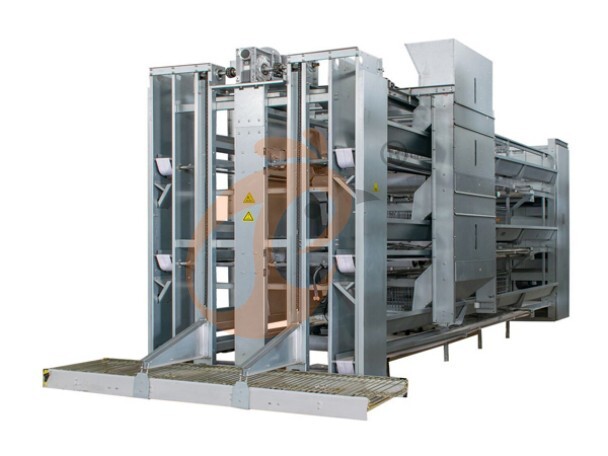
5. 24 online reception Whatsapp NO. : +8618830120193Read More Automatic H Type Layer Battery Cage System1. 30,000-100,000+ layers/house chooses it
2. Structure type stacked 3-16 tiers range
3. Stocking density up to 17 birds/cage
4. Service life 25 years
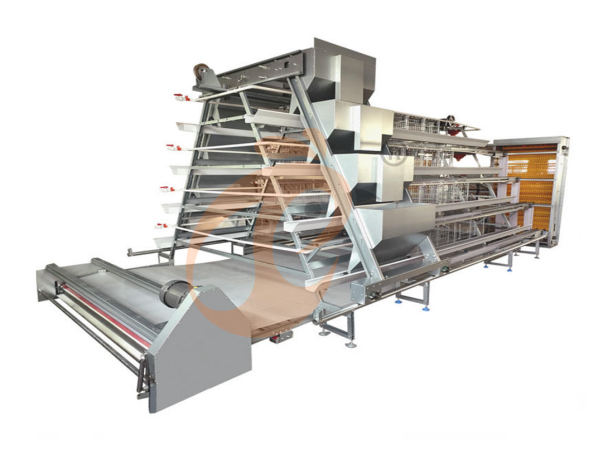
5. Reception /WhatsApp NO. : +8618830120193Read More Automatic A Type Layer Battery Cage System1. 10,000-30,000+ layers/house chooses it
2. Lifespan 25+ years
3. Labor requirement 1 worker per 10,000 birds
4. Reduce disease rates by 15%-20%.
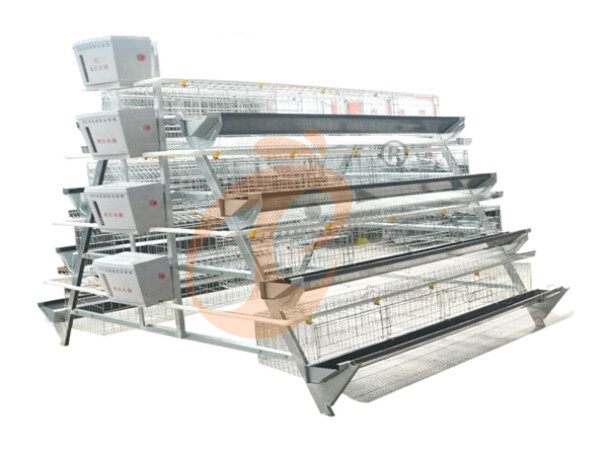
5. Reception /WhatsApp NO. : +8618830120193Read More Semi Automatic A Type Layer Battery Cage System1. 1,00-10,000+ layers/house chooses it
2. Egg breakage rate≤ 0.5%
3. Mesh spacing 2.5×2.5 cm
4. Egg collection floor slope 7–8°
5. Reception /WhatsApp NO. : +8618830120193Read More