Commercial poultry production requires coordinated investment across cage structures, ventilation engineering, feeding automation, manure handling, and environmental control systems.
Equipment procurement decisions directly influence flock survival rate, feed conversion ratio, labor allocation, egg collection efficiency, and operational maintenance expenditure.
Modern poultry farm equipment manufacturing increasingly adopts hot-dip galvanized steel, intelligent controllers, precision feeding technologies, and automated waste removal solutions.
Production scale expansion requires accurate cost analysis covering poultry cage configuration, climate equipment capacity, and infrastructure construction requirements.
Explains major poultry farm equipment cost factors using technical production data, operational engineering analysis, and commercial poultry farm investment references.
Get professional poultry farm construction guidance, equipment selection solutions, and the latest price lists, whatsApp to +8618830120193, click to learn more.
Understanding What Poultry Farm Equipment Includes
Poultry farm equipment includes cage systems, feeding systems, drinking systems, ventilation equipment, cooling systems, manure handling machinery, environmental controllers, lighting systems, and egg collection lines.
Different poultry farming sectors require different equipment configurations.
Layer chicken farms prioritize egg collection efficiency and cage durability.
Broiler farms focus more heavily on ventilation performance, feeding efficiency, and stocking density management.
Pullets farms require cage systems optimized for early skeletal growth and flock uniformity.
Data is for reference only.Swipe horizontally to view full table.
Cage System Design Is The Largest Cost Variable
Poultry cage systems normally account for 35%–50% of total poultry farm equipment investment.
Different poultry cage structures use different steel wire diameters, galvanization standards, structural reinforcement methods, and stocking densities.
These engineering differences significantly affect manufacturing cost and long term operating performance.
Data is for reference only.Swipe horizontally to view full table.
Science Section: Why Cage Design Affects Chicken Productivity
Poultry cage structure directly affects bird movement, airflow distribution, feed accessibility, and disease transmission dynamics.
Uneven feed distribution may reduce flock uniformity by 6%–12% in commercial layer production systems.
Poor poultry cage surface finishing can increase feather damage, foot lesions, and egg cracking frequency.
Modern poultry equipment manufacturers increasingly use smoother galvanized wire surfaces, optimized cage slope engineering, and synchronized automatic feeding systems to improve production stability.
Commercial layer farm studies indicate that cage slope angles between 7° and 8° can reduce egg breakage rates below 1.5%.
Steel Quality And Galvanization Greatly Affect Equipment Price
Steel quality remains one of the most critical technical factors influencing poultry farm equipment lifespan.
Poultry houses contain continuous moisture, ammonia gas, carbon dioxide, and organic acid emissions generated by manure decomposition.
These environmental conditions accelerate metal corrosion when galvanization quality remains insufficient.
Data is for reference only.Swipe horizontally to view full table.
Hot-dip galvanized poultry farm equipment generally costs 18%–35% more than electro-galvanized systems.
However, long term maintenance expenditure remains significantly lower because structural corrosion develops much more slowly.
European union standard reference only.
Automation Systems Increase Investment But Reduce Labor Cost
Automation technology represents one of the fastest-growing segments in poultry farm equipment manufacturing.
Modern automated poultry farms operate with substantially lower labor demand compared with traditional manual systems.
Manual management of a 20,000 bird layer poultry farm may require 10–14 workers during peak production periods.
A fully automated poultry farm with equivalent capacity may operate efficiently using only 3–5 workers.
Data is for reference only.Swipe horizontally to view full table.
Automatic poultry equipment improves management consistency across feeding schedules, water supply pressure, manure removal intervals, and environmental stabilization.
Labor reduction also improves long-term operational predictability for commercial poultry farm management.
Automation Equipment Cost Structure
Automatic poultry farm equipment investment varies according to farm capacity, automation depth, and controller integration requirements.
Large scale poultry farms generally allocate higher budgets toward egg collection systems, manure removal systems, and intelligent environmental controllers.
European union standard reference only.
Data is for reference only.Swipe horizontally to view full table.
Commercial poultry farms commonly recover automation investment within 2–5 years through labor savings, lower mortality rates, and improved feed conversion efficiency.
Ventilation Equipment Has Major Influence On Farm Performance
Ventilation systems represent essential poultry farm equipment rather than optional production upgrades.
Poor ventilation increases heat stress risk, disease transmission frequency, wet manure accumulation, and respiratory complications.
In broiler production systems, insufficient airflow may reduce average daily weight gain by 8%–15%.
In layer poultry farms, heat stress frequently reduces egg production by 10%–20%.
Data is for reference only.Swipe horizontally to view full table.
Tunnel ventilation systems remain widely used in high temperature regions because airflow velocity between 2.0–3.0 m/s significantly improves poultry cooling efficiency.
Poultry Heat Stress Physiology
Chickens do not possess sweat glands for body temperature regulation.
Heat dissipation mainly occurs through respiratory evaporation during panting behavior.
When poultry house temperature exceeds 30°c, feed intake commonly declines rapidly.
At 35°c, broiler feed consumption may decrease by more than 15%.
Commercial poultry farms therefore invest heavily in exhaust fans, cooling pad systems, insulation panels, and intelligent environmental controllers.
Feeding Equipment Directly Influences Feed Conversion Ratio
Feed expenditure commonly represents 60%–70% of total poultry production cost.
Even minor feeding inefficiencies may generate major financial losses across long production cycles.
Modern poultry farm equipment engineering increasingly focuses on reducing feed waste and improving feed accessibility consistency.
Data is for reference only.Swipe horizontally to view full table.
Automatic feeding systems improve flock uniformity because simultaneous feed delivery reduces competition among birds.
Stable feed accessibility contributes directly toward more consistent production performance.
Science Section: Feed Conversion Efficiency
Feed conversion ratio (fcr) measures how efficiently poultry converts feed into meat or egg output.
A broiler flock operating at fcr 1.55 consumes significantly less feed than a flock operating at fcr 1.75.
Within a 50,000-bird broiler production cycle, even a 0.1 fcr improvement may reduce feed consumption by several metric tons.
This operational reality explains why precision feeding equipment remains critically important in modern poultry farming.
Hidden Infrastructure Costs In Poultry Farm Equipment Projects
Many poultry farm investors underestimate secondary infrastructure expenditure during project planning stages.
Infrastructure expenses may represent 15%–25% of total poultry farm construction investment.
European union standard reference only.
Data is for reference only.Swipe horizontally to view full table.
Large scale export poultry equipment projects are strongly influenced by steel pricing, shipping container availability, and destination country import duties.
Commercial poultry farm projects commonly require multiple shipping containers for complete poultry cage and automation system transportation.
Intelligent Poultry Farm Equipment Is Becoming Industry Standard
Modern poultry farming increasingly integrates intelligent management technologies into daily production operations.
Sensors, programmable controllers, and remote monitoring systems now play major roles in precision poultry management.
Data driven poultry farming improves environmental consistency, mortality control, and feed utilization efficiency.
Data is for reference only.Swipe horizontally to view full table.
Large poultry integrators increasingly adopt cloud based monitoring systems capable of managing multiple poultry farms simultaneously from centralized operational platforms.
Frequently Asked Questions
Q1:What is the most expensive poultry farm equipment section?
A2: Poultry cage systems usually represent the largest equipment investment within commercial poultry farms.
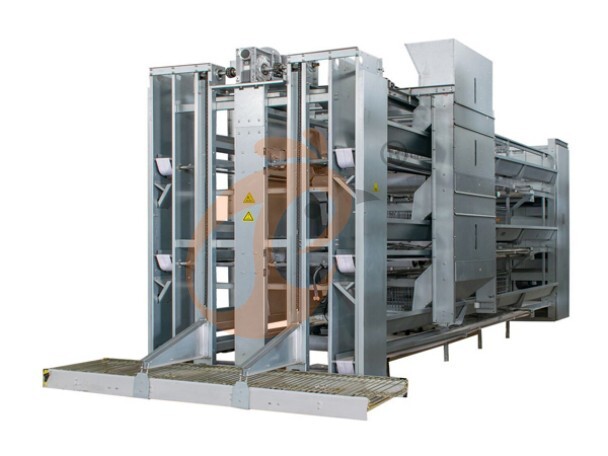
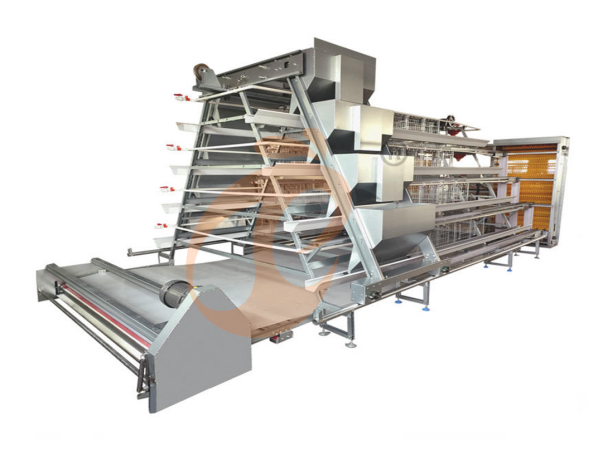
Fully automated h-frame poultry cage systems combined with egg collection conveyors and manure removal equipment may account for 35%–50% of total equipment expenditure.
Structural steel quality, galvanization thickness, and automation configuration strongly influence final pricing.
Q2: Why does hot-dip galvanized poultry equipment cost more?
A2: Hot-dip galvanized poultry equipment uses thicker zinc coating layers for stronger corrosion resistance inside high-ammonia poultry house environments.
Average equipment lifespan commonly reaches 15–20 years under proper ventilation conditions.
Electro-galvanized equipment generally experiences faster structural corrosion during long production cycles.
Q3: Which poultry farm equipment improves profitability most directly?
A3: Automatic feeding systems, ventilation equipment, and manure removal systems usually create the fastest operational efficiency improvements.
Precision feeding reduces feed waste.
Ventilation stabilization improves flock health.
Automatic manure handling reduces labor requirements and ammonia accumulation simultaneously.
Taiyu (HK) Group - One Of China Largest Poultry Farm Equipment Manufacturer
Professional manufacturing of layer poultry cage systems, broiler cage equipment, and automatic poultry farm machinery solutions.
Global factory direct poultry equipment supply supports stable production quality and competitive commercial investment planning.
Complete poultry farm turn key engineering services include installation guidance, ventilation planning, and automation configuration support.
Advanced hot dip galvanized poultry cage production improves structural lifespan under high humidity poultry farming environments.
Commercial poultry farm projects exported across Africa, Asia, Middle East, and South America with technical engineering assistance.
Contact Us To Received Your Customized Poultry Farm Plan
Headquarters And Branchs

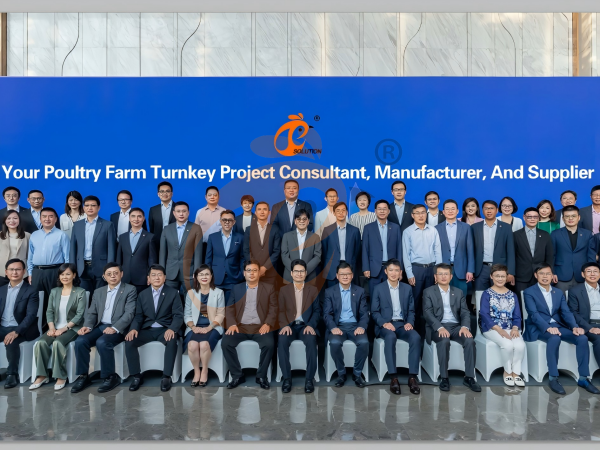
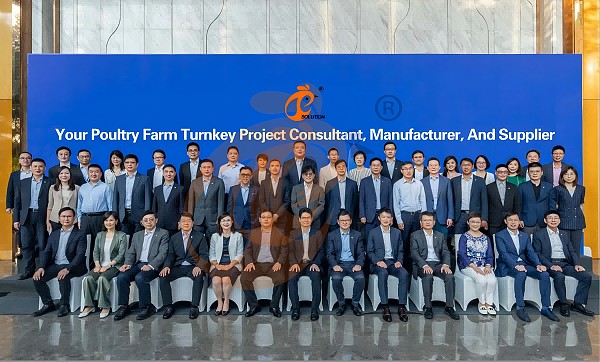
Hong Kong Headquarter Management Team
Hong Kong Headquarter Taiyu Industrial Group CO., LTD
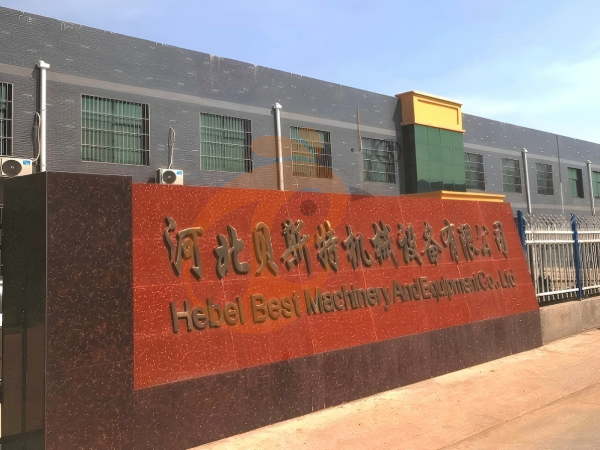
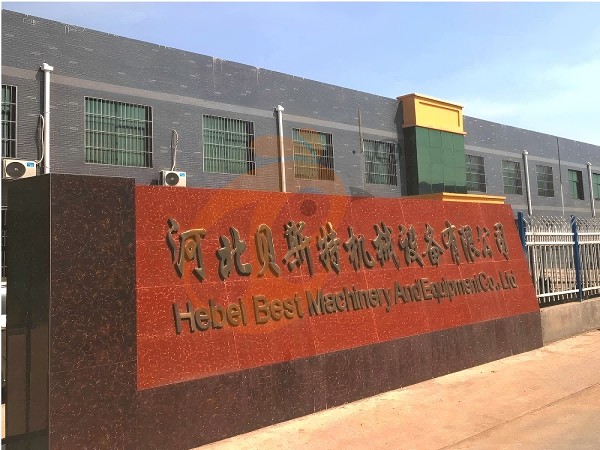
China Hebei Best Machinery And Equipment CO., LTD
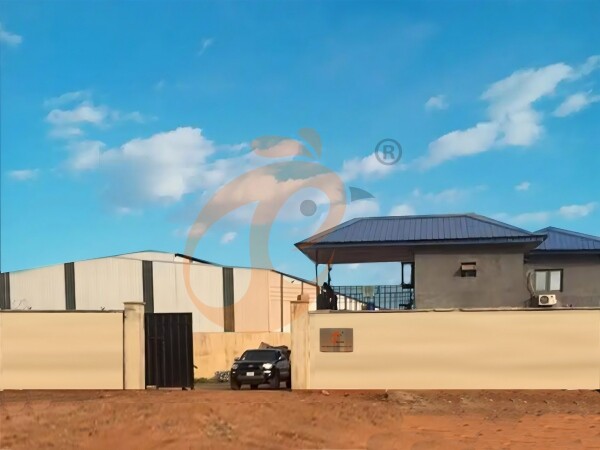
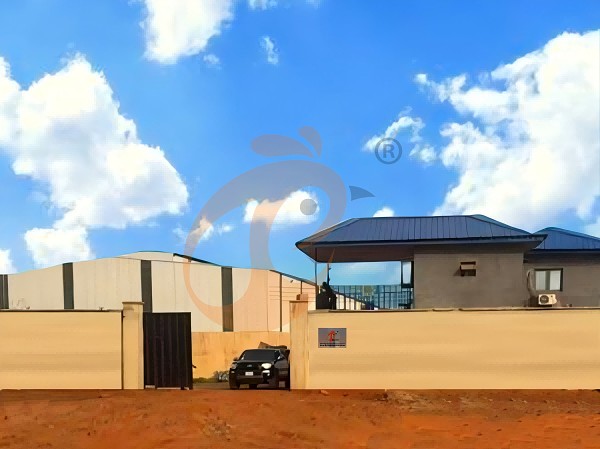
Nigeria Vanke Machinery And Equipment CO., LTD
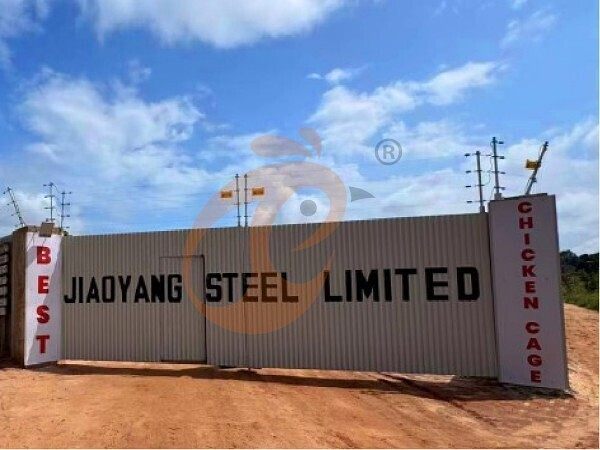
Tanzania Best Machinery And Equipment CO., LTD
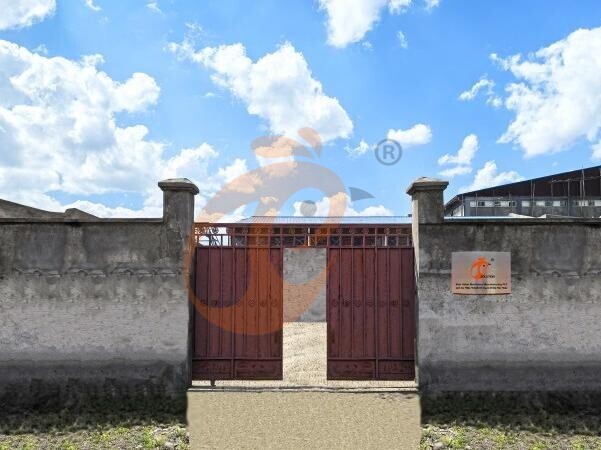
Ethiopia Best Hebei Machinery Manufacturing PLC

Reception /24 WhatsApp NO. : +8618830120193
MESSAGE
Products recommended
 HK Headquarter Offers EU-standard Poultry Farm Solutions, Manufacture Poultry Farm Equipment1. Continuous communication with the EU and the US
2. China, Nigeria, Ethiopia, Tanzania branch companies and factories
3. The products’ quality is customized for local poultry farms
4. Poultry cage and poultry farm equipment stock for sale
5. 24 online reception Whatsapp NO. : +8618830120193,contact us to get full informationRead More China Branch Offer Poultry Farm Business Plan, Manufacture Poultry Farm Equipment1. Address: Flat/RM 2416, 24/F, Runxing Building, Youyi Nan Street, Shijiazhuang City, Hebei Province, China
2. Poultry cage and poultry farm equipment factory and stock for sale
3. Customized for local poultry farms
4. Quality and design are based on Euro
5. 24 online reception Whatsapp NO. : +8618830120193Read More Nigeria Branch Offer Poultry Farm Business Plan, Manufacture Poultry Farm Equipment1. Address: After Sinoma Office, 200 Meters Near Danco Filling Station, Lagos/Ibadan Expressway, Lagos State, Nigeria
2. Poultry cage and poultry farm equipment factory and stock for sale
3. Customized for Nigerian poultry farms
4. Quality and design are based on Euro
5. 24 online reception Whatsapp NO. : +8618830120193Read More Ethiopia Branch Offer Poultry Farm Business Plan, Manufacture Poultry Farm Equipment1. Address: WR93+FQ2, Addis Ababa, Ethiopia
2. Poultry cage and poultry farm equipment stock for sale
3. Customized for Ethiopian poultry farms
4. Quality and design are based on Euro
5. 24 online reception Whatsapp NO. : +8618830120193, contact us to get price listRead More Tanzania Branch Offer Poultry Farm Business Plan, Manufacture Poultry Farm Equipment1. Address: No.8, Sova Road, Msufini, Mlandizi, Kibaha, Pwani, Tanzania
2. Poultry cage and poultry farm equipment factory and stock for sale
3. Customized for Tanzanian poultry farms
4. Quality and design are based on Euro
5. 24 online reception Whatsapp NO. : +8618830120193Read More Automatic H Type Layer Battery Cage System1. 30,000-100,000+ layers/house chooses it
2. Structure type stacked 3-16 tiers range
3. Stocking density up to 17 birds/cage
4. Service life 25 years
5. Reception /WhatsApp NO. : +8618830120193Read More Automatic A Type Layer Battery Cage System1. 10,000-30,000+ layers/house chooses it
2. Lifespan 25+ years
3. Labor requirement 1 worker per 10,000 birds
4. Reduce disease rates by 15%-20%.
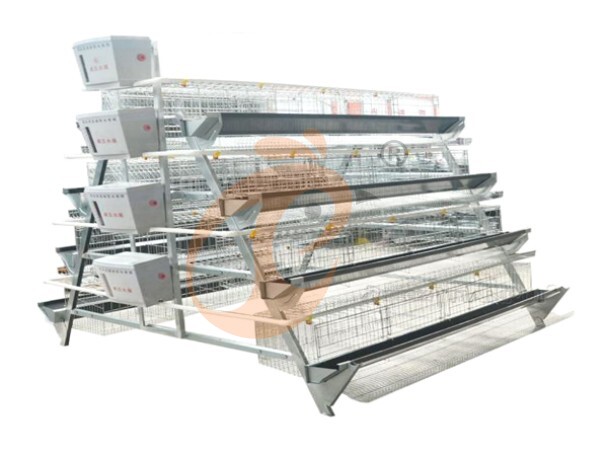
5. Reception /WhatsApp NO. : +8618830120193Read More Semi Automatic A Type Layer Battery Cage System1. 1,00-10,000+ layers/house chooses it
2. Egg breakage rate≤ 0.5%
3. Mesh spacing 2.5×2.5 cm
4. Egg collection floor slope 7–8°
5. Reception /WhatsApp NO. : +8618830120193Read More