Poultry house ventilation fans help control ammonia accumulation, support healthy flocks, and maintain balanced indoor air quality.
Maintaining ammonia below 20 ppm supports respiratory health and improves daily poultry house management.
Automatic drinking systems reduce water spillage, helping maintain suitable litter moisture and reducing ammonia generation.
Environmental controllers coordinate ventilation, heating, and monitoring equipment for more consistent operating conditions.
Integrated poultry equipment solutions improve farm efficiency, simplify maintenance, and support long-term production performance.
Get professional poultry farm construction guidance, equipment selection solutions, and the latest price lists, whatsApp to +8618830120193, click to learn more:
Maintain Effective Ventilation
Engineering Highlights
Ventilation removes contaminated air, supplies fresh air, and controls moisture accumulation.
Fan selection must account for house dimensions, bird biomass, external temperature, and operating static pressure.
A properly designed system maintains the required airflow without unnecessarily increasing electricity consumption.
Poultry exhaust fans and poultry house ventilation systems provide the foundation for effective ammonia control.
Data is for reference only.Swipe horizontally to view full table.
Modern poultry exhaust fans can be integrated with automatic controllers to regulate ventilation according to measured house conditions.
Selecting fans by verified performance curves rather than free-air ratings helps ensure that the installed system delivers the airflow required under actual operating pressure.
Keep Litter Dry
Technique Card
Moisture Management
Maintain litter moisture around 20%–25% where practical.
Remove caked bedding and localized wet patches during daily inspections.
Inspect areas beneath drinker lines and around water connections.
Use absorbent bedding materials with consistent particle size and adequate drying characteristics.
Poultry litter management equipment and poultry house ventilation fans help maintain suitable bedding conditions by supporting moisture removal and routine maintenance.
Dry litter limits the moisture available for microbial activity and helps reduce ammonia generation.
For routine management, litter moisture can be checked using a calibrated moisture meter, with samples taken from multiple representative locations.
For larger poultry operations, mechanical litter removal tools and suitable cleaning equipment can reduce handling time.
Equipment performance should be assessed alongside bedding depth, water leakage, and ventilation effectiveness to address the causes of persistent wet areas.
Optimize Drinking Water Equipment
Water management directly influences litter moisture.
Correct drinker installation, stable water pressure, and leak prevention help reduce unnecessary water entering the bedding.
Automatic poultry drinking systems and poultry nipple drinkers support consistent water delivery and help limit spillage.
Data is for reference only.Swipe horizontally to view full table.
A properly designed automatic poultry drinking system provides birds with consistent access to water while limiting spillage.
Drinker height, pressure, and flow should be adjusted according to bird age and manufacturer instructions.
Routine flushing and maintenance help preserve water quality and prevent blockages.
Use An Integrated Environmental Control System
Process Structure
An environmental controller coordinates poultry house equipment using real-time sensor readings and predefined operating settings.
Integrated poultry house environmental controllers and poultry exhaust fans support coordinated air-quality management.
Monitoring And Control Sequence
Sensors measure temperature, relative humidity, and ammonia where compatible instruments are installed.
The controller compares measurements with configured limits.
Exhaust fans and heating equipment respond according to the programmed control strategy.
Alarms notify operators when measured conditions exceed configured thresholds.
Data is for reference only.Swipe horizontally to view full table.
Integrated poultry house environmental controllers reduce repeated manual adjustments and improve operating consistency.
Sensor placement, calibration, and alarm verification are essential for reliable results, particularly when automatic responses depend on ammonia measurements.
Control Temperature And Relative Humidity
Temperature and humidity influence litter drying, bird comfort, and ventilation requirements.
Management targets must reflect bird age, stocking conditions, and the heating system installed in the house.
Poultry ventilation fans and poultry environmental control systems help maintain appropriate environmental conditions.
Data is for reference only.Swipe horizontally to view full table.
Farmers should not compensate for poor air quality simply by raising the temperature or reducing fan operation.
A properly configured poultry environmental control system balances heating and ventilation against bird requirements and outdoor weather conditions.
Remove Manure Efficiently And Improve Routine Hygiene
Manure and contaminated litter provide the nitrogenous material from which ammonia can develop.
Timely removal of wet bedding, effective between-flock cleaning, and adequate drying help limit the conditions that promote ammonia release.
Poultry litter management equipment and poultry house ventilation fans support routine sanitation and environmental control.
Data is for reference only.Swipe horizontally to view full table.
Floor-rearing houses require particular attention to litter distribution and localized manure accumulation.
Cleaning equipment should be selected according to floor construction, house dimensions, and bedding material.
Disinfection should follow product instructions and must not replace the physical removal of organic residues.
Recommended Equipment Combination For Floor-Rearing Poultry Houses
Equipment Combination Recommendation
A coordinated equipment package helps farmers manage airflow, water delivery, and environmental conditions as one system.
Poultry exhaust fans, automatic poultry drinking systems, and poultry house environmental controllers form a practical foundation for integrated farm management.
Data is for reference only.Swipe horizontally to view full table.
Equipment selection should be based on house dimensions, flock size, local climate, electrical capacity, and expansion plans.
A professional poultry equipment supplier can calculate system requirements, match components, and provide installation and commissioning support.
Engineering Checklist: What To Verify Before Installation
Use this checklist when designing a new poultry house or upgrading an existing facility.
Properly specified poultry exhaust fans and poultry environmental control systems help verify ventilation performance and support dependable operation.
Calculate total required airflow from flock biomass and climatic design conditions.
Verify fan capacity at the intended static pressure rather than using free-air ratings.
Confirm that inlet geometry supports effective air distribution.
Test drinker pressure and flow before placing birds.
Install environmental sensors at representative bird-level locations.
Confirm electrical protection, alarm operation, and backup ventilation arrangements.
Record commissioning measurements for future maintenance comparisons.
Correct installation is critical.
Documented commissioning measurements allow operators to identify changes in airflow, water delivery, and sensor performance before they develop into persistent management problems.
Common Ammonia Control Mistakes
Operational Risk Review
Poorly configured poultry ventilation fans and poultry environmental control systems can undermine ammonia management even when equipment is installed correctly.
Regular measurement and preventive maintenance help operators identify the causes of deteriorating air quality.
Data is for reference only.Swipe horizontally to view full table.
Ammonia odor alone is not a reliable measurement method because human perception varies and prolonged exposure can affect odor awareness.
Calibrated instruments provide more objective data for operational decisions and compliance verification.
Why Invest In Professional Poultry Equipment?
Effective ammonia management is both an animal-welfare priority and an operational investment.
Properly matched poultry exhaust fans, automatic poultry drinking systems, and poultry environmental control systems help reduce avoidable management problems.
When comparing suppliers, review fan performance curves, motor efficiency, control compatibility, spare-parts availability, installation support, and warranty coverage.
Equipment should be selected against documented operating requirements rather than purchase price alone.
Integrated poultry equipment solutions also simplify commissioning and maintenance by coordinating multiple systems within one management framework.
A supplier with poultry-house design experience can help farmers evaluate technical specifications and plan upgrades around existing infrastructure.
Frequently Asked Questions
Q1: What ammonia concentration should poultry farmers target?
A practical management target is below 20 ppm, with lower concentrations preferred.
Poultry house ventilation fans and calibrated ammonia monitoring instruments help operators identify and correct accumulating ammonia.
Q2: How do poultry exhaust fans reduce ammonia?
Poultry exhaust fans remove contaminated indoor air and support fresh-air exchange.
Correct sizing against operating static pressure is essential for delivering the required airflow.
Q3: Which equipment helps prevent wet litter?
Automatic poultry drinking systems with suitable nipple drinkers, pressure regulators, and filtration help minimize water spillage.
Routine inspection and ventilation management remain essential for maintaining litter moisture.
Taiyu (HK) Group - One Of China's Toppest Poultry Exhaust Fan Manufacturer
Poultry Exhaust Fan Engineering: Designed for ventilation projects requiring fan capacities of 35,000–50,000 m³/h per selected model, subject to verified operating pressure and project calculations.
Global Factory Direct Supply: Taiyu provides poultry equipment for international farm projects, with component selection based on local climate, housing dimensions, and flock requirements.
Integrated Poultry Equipment: Product categories include exhaust fans, automatic drinking systems, environmental controllers, feeding equipment, and supporting poultry-house components.
Turn-Key Engineering Projects: Technical coordination covers equipment selection, system configuration, installation planning, commissioning, and operational handover.
Technical Commercial Support: Project specifications, equipment compatibility, spare-parts planning, and after-sales coordination support long-term farm operation.
Contact Us To Received Your Customized Poultry Farm Plan
Headquarters And Branchs

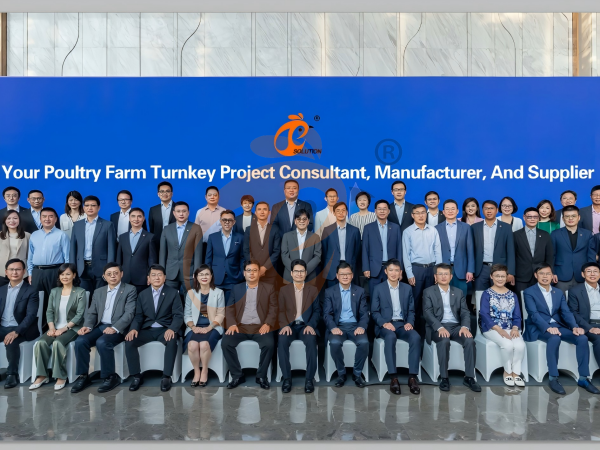
Hong Kong Headquarter Management Team
Hong Kong Headquarter Taiyu Industrial Group CO., LTD
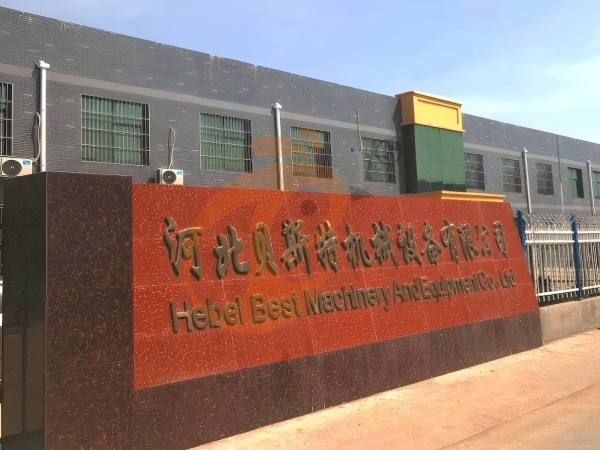
China Hebei Best Machinery And Equipment CO., LTD
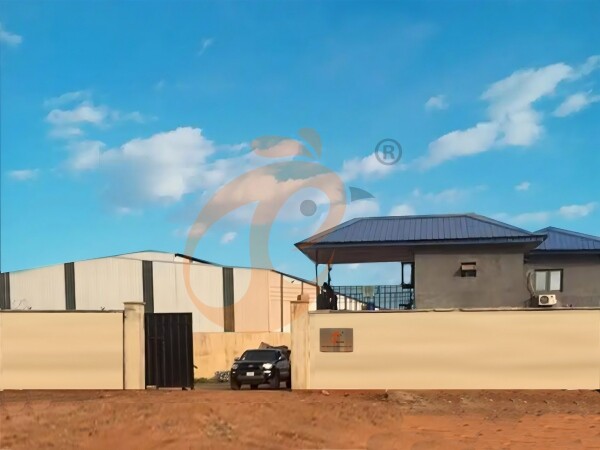
Nigeria Vanke Machinery And Equipment CO., LTD
Tanzania Best Machinery And Equipment CO., LTD
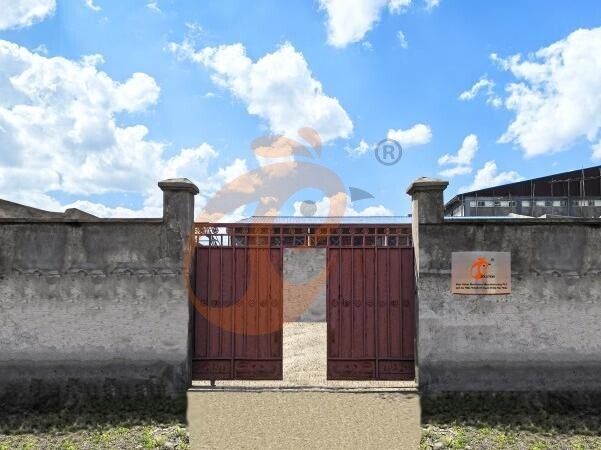
Ethiopia Best Hebei Machinery Manufacturing PLC




Reception /24 WhatsApp NO. : +8618830120193
MESSAGE
Products recommended
 HK Headquarter Offers EU-standard Poultry Farm Solutions, Manufacture Poultry Farm Equipment1. Continuous communication with the EU and the US
2. China, Nigeria, Ethiopia, Tanzania branch companies and factories
3. The products’ quality is customized for local poultry farms
4. Poultry cage and poultry farm equipment stock for sale
5. 24 online reception Whatsapp NO. : +8618830120193,contact us to get full informationRead More China Branch Offer Poultry Farm Business Plan, Manufacture Poultry Farm Equipment1. Address: Flat/RM 2416, 24/F, Runxing Building, Youyi Nan Street, Shijiazhuang City, Hebei Province, China
2. Poultry cage and poultry farm equipment factory and stock for sale
3. Customized for local poultry farms
4. Quality and design are based on Euro
5. 24 online reception Whatsapp NO. : +8618830120193Read More Nigeria Branch Offer Poultry Farm Business Plan, Manufacture Poultry Farm Equipment1. Address: After Sinoma Office, 200 Meters Near Danco Filling Station, Lagos/Ibadan Expressway, Lagos State, Nigeria
2. Poultry cage and poultry farm equipment factory and stock for sale
3. Customized for Nigerian poultry farms
4. Quality and design are based on Euro
5. 24 online reception Whatsapp NO. : +8618830120193Read More Ethiopia Branch Offer Poultry Farm Business Plan, Manufacture Poultry Farm Equipment1. Address: Gelan Gura, Akaki-kaliti Sub City, Addis Ababa, Ethiopia
2. Poultry cage and poultry farm equipment stock for sale
3. Customized for Ethiopian poultry farms
4. Quality and design are based on Euro
5. 24 online reception Whatsapp NO. : +8618830120193, contact us to get price listRead More Tanzania Branch Offer Poultry Farm Business Plan, Manufacture Poultry Farm Equipment1. Address: No.8, Sova Road, Msufini, Mlandizi, Kibaha, Pwani, Tanzania
2. Poultry cage and poultry farm equipment factory and stock for sale
3. Customized for Tanzanian poultry farms
4. Quality and design are based on Euro
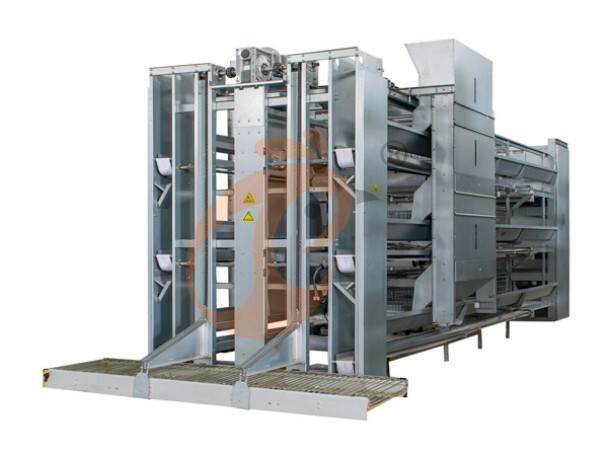
5. 24 online reception Whatsapp NO. : +8618830120193Read More Automatic H Type Layer Battery Cage System1. 30,000-100,000+ layers/house chooses it
2. Structure type stacked 3-16 tiers range
3. Stocking density up to 17 birds/cage
4. Service life 25 years
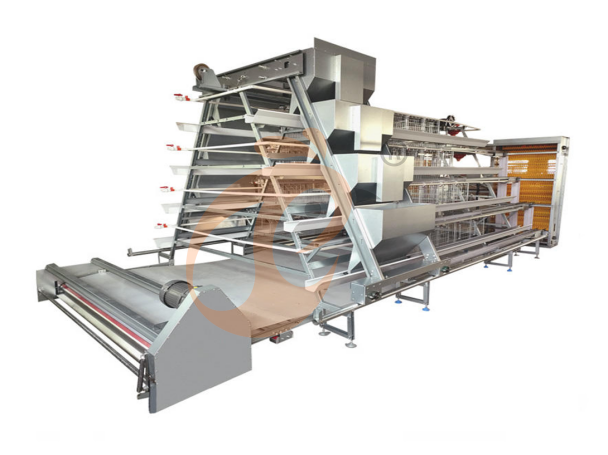
5. Reception /WhatsApp NO. : +8618830120193Read More Automatic A Type Layer Battery Cage System1. 10,000-30,000+ layers/house chooses it
2. Lifespan 25+ years
3. Labor requirement 1 worker per 10,000 birds
4. Reduce disease rates by 15%-20%.
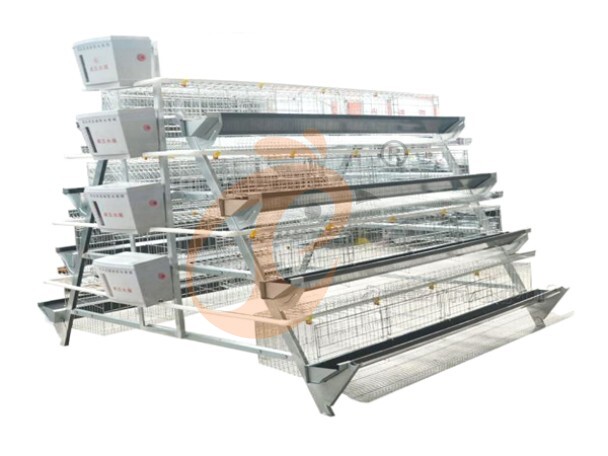
5. Reception /WhatsApp NO. : +8618830120193Read More Semi Automatic A Type Layer Battery Cage System1. 1,00-10,000+ layers/house chooses it
2. Egg breakage rate≤ 0.5%
3. Mesh spacing 2.5×2.5 cm
4. Egg collection floor slope 7–8°
5. Reception /WhatsApp NO. : +8618830120193Read More