Ethiopia pellet machine comparison between single and double systems is analyzed in feed production context.
Evaluates feed production bottlenecks in Ethiopia including raw material supply and logistics constraints.
Compares technical performance differences in capacity, energy consumption, and operational stability.
Explains suitability across Ethiopian regions such as Oromia, Amhara, and dairy production corridors.
Provides decision guidance for cooperatives and feed mills aiming to improve livestock productivity efficiency.
Get professional poultry farm construction guidance, equipment selection solutions, and the latest price lists, whatsApp to +8618830120193, click to learn more.

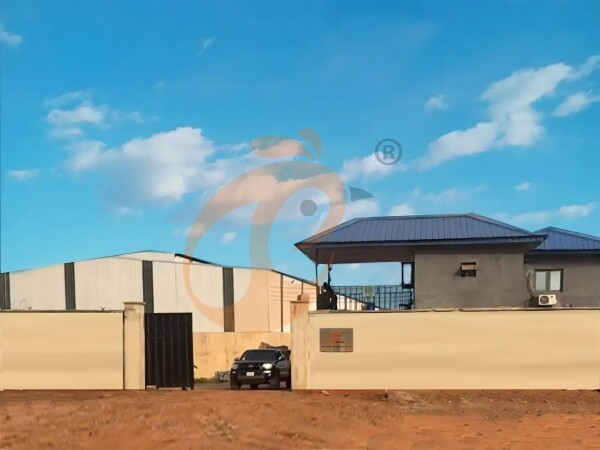
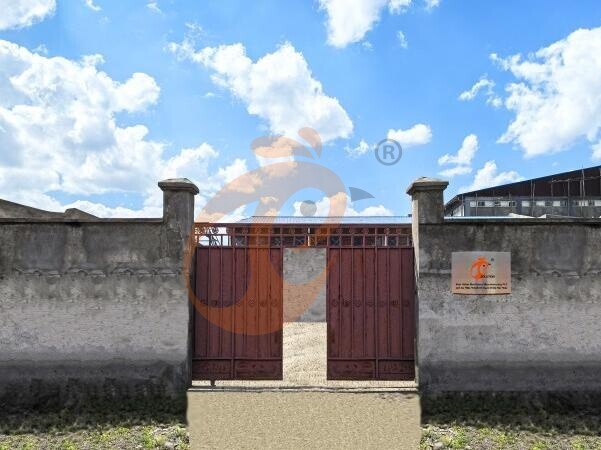
Ethiopia Branch Office And Factory Of Poultry Farm Equipment
Feed Production Bottlenecks In Ethiopia
Ethiopia's livestock sector is structurally constrained by feed scarcity, inconsistent quality, and fragmented processing capacity.
In regions such as Oromia, Amhara, and SNNPR, cattle, sheep, and poultry producers depend heavily on crop residues and informal feed formulations, which limit productivity gains despite large livestock populations.
This structural limitation is a core barrier to livestock productivity improvement across Ethiopia's dairy and meat value chains.
Pellet Technology Demand Drivers In Ethiopia
Against this backdrop, pelletizing technology especially single and double pellet machines has become a strategic lever for feed modernization.
Ethiopia pellet machine efficiency is increasingly discussed in dairy expansion programs focused on standardized feed production.
However, the choice between single and double pellet machines is not purely technical.
It is strongly influenced by Ethiopia's operational environment, including unstable grid power in rural zones, seasonal maize and wheat bran availability, fragmented logistics networks, and rising demand for standardized feed products.
These factors collectively shape investment decisions for feed mills and cooperatives across the country.
The following analysis evaluates both systems in the Ethiopian operational context, with emphasis on throughput, stability, energy structure, and scalability.
Feed Production Constraints And Infrastructure Pressure In Ethiopia
Data is for reference only.Swipe horizontally to view full table.
This environment creates a sustained demand for flexible pellet systems rather than rigid industrial scale automation models.
Single Pellet Machine Configuration Overview
Single pellet machines are widely used in Ethiopia's small and medium feed workshops, especially near peri-urban livestock clusters around Addis Ababa, Adama, and Hawassa.
Data is for reference only.Swipe horizontally to view full table.
Single systems are structurally simpler, making them more compatible with Ethiopia's maintenance ecosystem where spare parts availability is uneven.
Double Pellet Machine System Architecture
Double pellet machines integrate two pelleting stages or dual conditioning + compression modules.
These are increasingly deployed in larger Ethiopian feed mills supplying cooperatives and dairy unions.
Data is for reference only.Swipe horizontally to view full table.
These systems align with industrial feed strategies in Ethiopia livestock master plan implementation zones.
Throughput Efficiency Comparison
Production efficiency is a decisive factor for Ethiopian cooperatives seeking to stabilize milk yields in dairy belts.
Ethiopia feed pellet machine adoption is strongly influenced by throughput stability in cooperative mills.
Data is for reference only.Swipe horizontally to view full table.
In Ethiopian feed mills processing maize-soybean blends, uniform density directly affects cattle digestion efficiency and milk yield consistency.
Energy Consumption And Rural Grid Constraints
Ethiopia feed pellet machine operation is strongly influenced by electricity availability and diesel generator usage in rural industrial zones.
Data is for reference only.Swipe horizontally to view full table.
Single machines are often favored in off grid or weak grid zones such as parts of Somali and Afar regions, where diesel backup remains common.
Raw Material Adaptability In Ethiopian Supply Chains
Ethiopia's feed ingredients are diverse: maize, wheat bran, noug cake, cottonseed cake, and teff by products.
Ethiopia pellet machine adaptability is essential for feed stability.
Data is for reference only.Swipe horizontally to view full table.
Double systems are more resilient to inconsistent raw material textures, a common issue in Ethiopian markets.
Maintenance And Technical Skill Requirements
A key constraint in Ethiopia is the availability of trained mechanical technicians outside industrial hubs.
Ethiopia pellet machine maintenance capacity strongly influences system selection.
Data is for reference only.Swipe horizontally to view full table.
This explains why many mid sized Ethiopian feed workshops still prefer single systems despite lower throughput.
Capital Investment Structure In Ethiopia
Investment decisions are heavily influenced by cooperative financing models and donor supported agricultural projects.
Ethiopia feed pellet machine investment planning often aligns with dairy expansion corridors.
Data is for reference only.Swipe horizontally to view full table.
European union standard reference only.
In Ethiopian dairy unions, double systems are often adopted only after demand stability is proven.
Output Quality And Livestock Productivity Impact
Pellet quality directly influences feed conversion ratios in cattle and poultry systems across Ethiopia.
Ethiopia pellet machine output quality is linked to dairy yield performance.
Data is for reference only.Swipe horizontally to view full table.
In dairy zones such as Debre Zeit and Sebeta, improved pellet uniformity is correlated with higher milk yield stability.
Strategic Suitability For Ethiopian Regions
Different Ethiopian regions require different machine strategies due to infrastructure and livestock intensity differences.
Data is for reference only.Swipe horizontally to view full table.
This regional segmentation is critical for Ethiopia's feed industrialization roadmap.
Operational Risk Factors In Ethiopia
Feed production systems face environmental and economic risks unique to Ethiopia.
Ethiopia pellet machine risk structure must be evaluated for long term sustainability.
Data is for reference only.Swipe horizontally to view full table.
Double machines reduce production variability but increase dependency on stable infrastructure.
Frequently Asked Questions
Q1: Is a single pellet machine suitable for rural Ethiopia feed production systems?
A1: Yes, it is widely used in rural Ethiopia where electricity supply is inconsistent.
It supports maize bran and crop residue processing with simpler maintenance requirements.
Local technicians in Oromia and Amhara can manage most repair tasks without imported tools.
Q2: Can double pellet machines be used in Ethiopian dairy cooperatives?
A2: Yes, they are suitable for dairy cooperatives with stable feed demand in regions like Sebeta and Debre Zeit.
They require stable power supply and trained operators for continuous operation.
They improve feed uniformity for milk production consistency.
Q3: Does Ethiopia have enough raw materials for pellet feed production?
A3: Yes, but availability is seasonal and regionally fragmented.
Maize and oilseed cake supply varies between harvesting and off-season periods.
Proper storage systems are required to stabilize pellet production output.
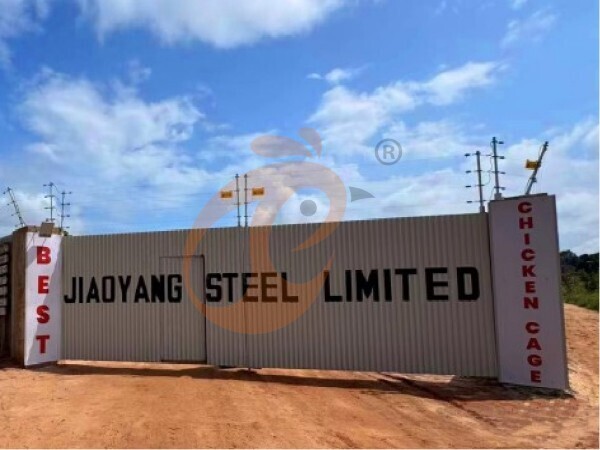
Ethiopia Best Hebei Machinery Manufacturing Plc - One Of Ethiopia Biggest Chicken Cage Manufacturer
Global factory direct sales supporting Ethiopia livestock industrial modernization and poultry expansion programs.
Integrated poultry farm equipment solutions designed for Ethiopian climate and feed availability conditions.
Full poultry cage production systems combined with automated feeding and manure removal structures.
Turn key engineering project services covering design, installation, and operational training in Ethiopia.
Strong manufacturing capability supporting export supply chain and long term agricultural infrastructure development.
Contact Us To Received Your Customized Poultry Farm Plan
Headquarters And Branchs
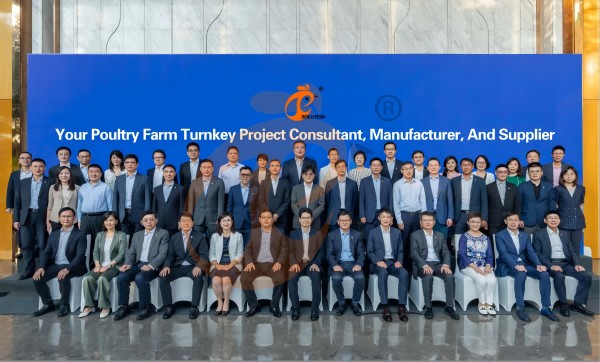
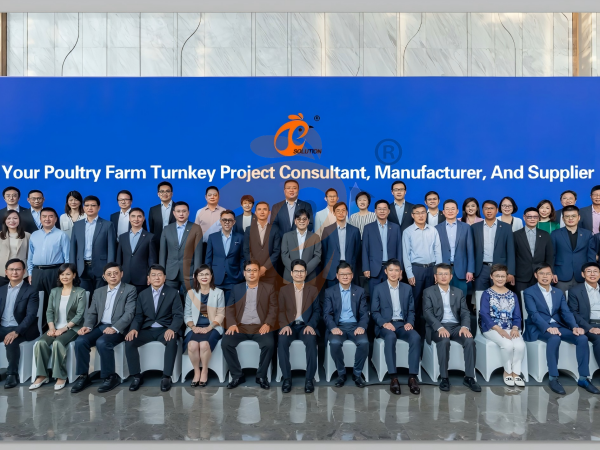
Hong Kong Headquarter Management Team
Hong Kong Headquarter Taiyu Industrial Group CO., LTD
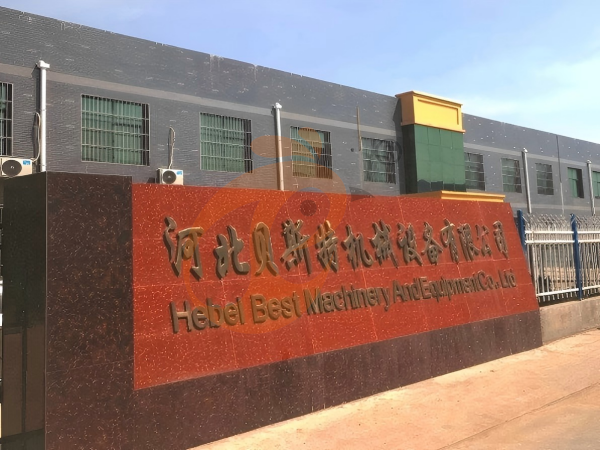
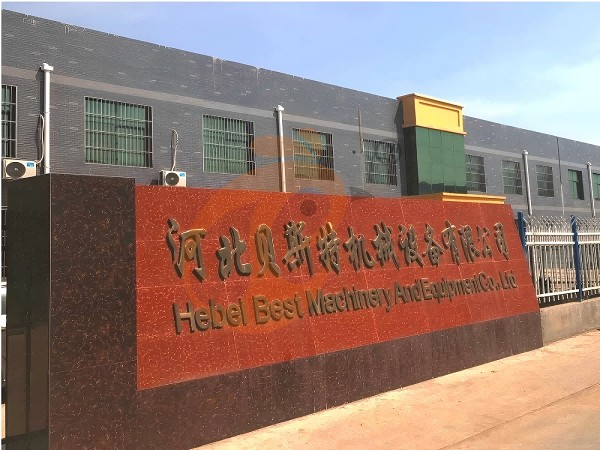
China Hebei Best Machinery And Equipment CO., LTD
Nigeria Vanke Machinery And Equipment CO., LTD
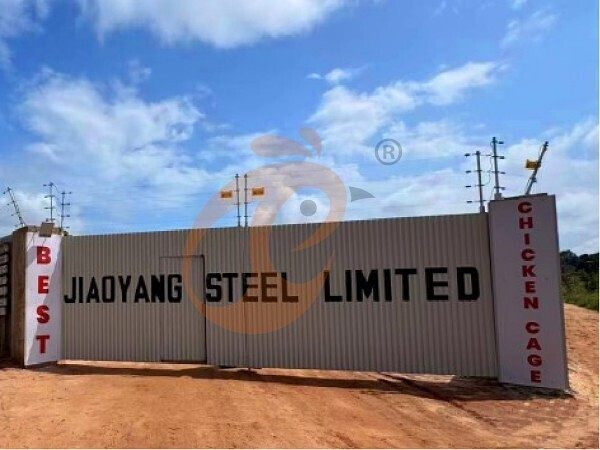
Tanzania Best Machinery And Equipment CO., LTD
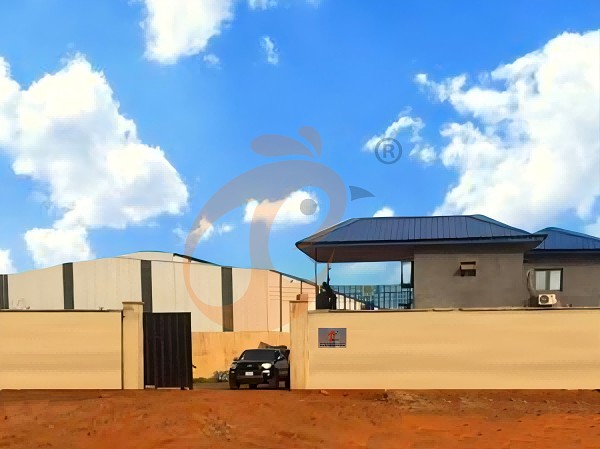
Ethiopia Best Hebei Machinery Manufacturing PLC
Reception /24 WhatsApp NO. : +8618830120193
MESSAGE
Products recommended
 HK Headquarter Offers EU-standard Poultry Farm Solutions, Manufacture Poultry Farm Equipment1. Continuous communication with the EU and the US
2. China, Nigeria, Ethiopia, Tanzania branch companies and factories
3. The products’ quality is customized for local poultry farms
4. Poultry cage and poultry farm equipment stock for sale
5. 24 online reception Whatsapp NO. : +8618830120193,contact us to get full informationRead More China Branch Offer Poultry Farm Business Plan, Manufacture Poultry Farm Equipment1. Address: Flat/RM 2416, 24/F, Runxing Building, Youyi Nan Street, Shijiazhuang City, Hebei Province, China
2. Poultry cage and poultry farm equipment factory and stock for sale
3. Customized for local poultry farms
4. Quality and design are based on Euro
5. 24 online reception Whatsapp NO. : +8618830120193Read More Nigeria Branch Offer Poultry Farm Business Plan, Manufacture Poultry Farm Equipment1. Address: After Sinoma Office, 200 Meters Near Danco Filling Station, Lagos/Ibadan Expressway, Lagos State, Nigeria
2. Poultry cage and poultry farm equipment factory and stock for sale
3. Customized for Nigerian poultry farms
4. Quality and design are based on Euro
5. 24 online reception Whatsapp NO. : +8618830120193Read More Ethiopia Branch Offer Poultry Farm Business Plan, Manufacture Poultry Farm Equipment1. Address: Gelan Gura, Akaki-kaliti Sub City, Addis Ababa, Ethiopia
2. Poultry cage and poultry farm equipment stock for sale
3. Customized for Ethiopian poultry farms
4. Quality and design are based on Euro
5. 24 online reception Whatsapp NO. : +8618830120193, contact us to get price listRead More Tanzania Branch Offer Poultry Farm Business Plan, Manufacture Poultry Farm Equipment1. Address: No.8, Sova Road, Msufini, Mlandizi, Kibaha, Pwani, Tanzania
2. Poultry cage and poultry farm equipment factory and stock for sale
3. Customized for Tanzanian poultry farms
4. Quality and design are based on Euro
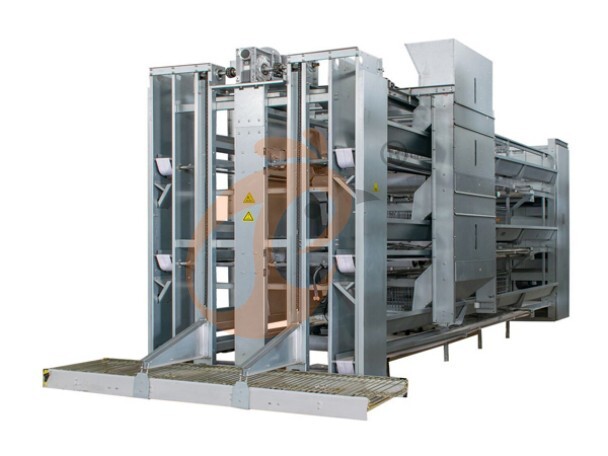
5. 24 online reception Whatsapp NO. : +8618830120193Read More Automatic H Type Layer Battery Cage System1. 30,000-100,000+ layers/house chooses it
2. Structure type stacked 3-16 tiers range
3. Stocking density up to 17 birds/cage
4. Service life 25 years
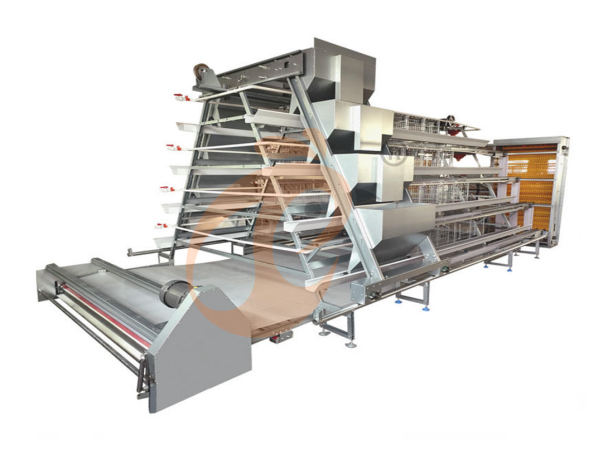
5. Reception /WhatsApp NO. : +8618830120193Read More Automatic A Type Layer Battery Cage System1. 10,000-30,000+ layers/house chooses it
2. Lifespan 25+ years
3. Labor requirement 1 worker per 10,000 birds
4. Reduce disease rates by 15%-20%.
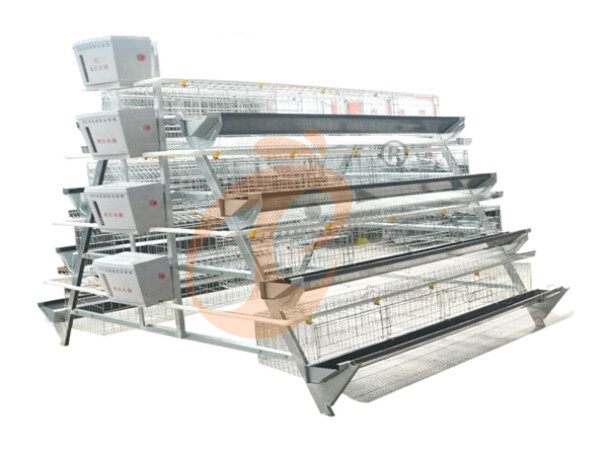
5. Reception /WhatsApp NO. : +8618830120193Read More Semi Automatic A Type Layer Battery Cage System1. 1,00-10,000+ layers/house chooses it
2. Egg breakage rate≤ 0.5%
3. Mesh spacing 2.5×2.5 cm
4. Egg collection floor slope 7–8°
5. Reception /WhatsApp NO. : +8618830120193Read More