Deep litter vs battery cage is a critical consideration for modern poultry farms looking to maximize efficiency and animal welfare.
Farmers often compare space utilization, cost efficiency, labor requirements, environmental control, and productivity metrics when choosing a system.
Selecting the right system can impact overall profitability, operational workflow, and compliance with welfare standards.
Proper management and smart technologies can enhance both deep litter and battery cage performance significantly.
Understanding differences ensures optimal investment decisions for small, medium, and large-scale operations.
Space Utilization And Stocking Density
Data is for reference only. Swipe horizontally to view full table.
Deep litter vs battery cage systems influence bird welfare and behavior patterns.
Free-range activity in deep litter farms reduces stress but requires more floor space.
Modern multi-tier cages in the US, Canada, and EU house over 20 birds/m² while maintaining feeding efficiency.
Cost Efficiency And Infrastructure Investment
Data is for reference only. Swipe horizontally to view full table.
Investing in deep litter vs battery cage requires evaluating both initial costs and long-term operational expenses.
In many North American farms, battery cages reduce labor costs by up to 60% while deep litter farms spend more on bedding and floor maintenance.
Over ten years, the operational savings of cages often offset the high initial investment.
Labor Requirement And Automation Potential
Data is for reference only. Swipe horizontally to view full table.
Deep litter vs battery cage systems differ significantly in labor requirements.
Automated cage farms implement IoT sensors for egg counting, feed monitoring, and climate control, reducing weekly labor hours by over 50%.
Deep litter setups still require manual floor cleaning and litter turning, though smart monitoring tools increasingly supplement routine inspections.
Environmental Management And Waste Handling
Data is for reference only. Swipe horizontally to view full table.
Efficient waste and environmental management are essential.
In US deep litter farms, ammonia levels can exceed 35 ppm without proper ventilation, negatively affecting bird health.
Conversely, battery cages use slatted floors with automated manure belts, ensuring cleaner conditions.
Deep litter vs battery cage strategies also influence greenhouse gas emissions, with cage systems showing a 15–20% reduction in ammonia output per bird.
Productivity Metrics And Performance
Data is for reference only. Swipe horizontally to view full table.
In productivity terms, deep litter vs battery cage choice can influence both egg yield and growth rates.
US and European farms report that cage systems achieve a 3–5% higher egg production rate compared to deep litter setups.
Nonetheless, organic and welfare-certified farms still prefer deep litter systems for market differentiation.
IoT And Smart Control Systems In Poultry Farms
Implementing IoT and smart monitoring technology has transformed deep litter vs battery cage farms.
Sensors track temperature, humidity, feed consumption, and bird activity in real-time.
According to recent google data, automated climate control in poultry houses can reduce mortality by 20% and increase feed conversion efficiency by 10%.
Advanced systems use cloud platforms to control fans, lights, and automated feeders.
Data analytics help optimize stocking density, reducing stress and improving egg production quality.
Farms integrating IoT and AI-based monitoring report up to 15% higher overall farm efficiency.
Deep litter vs battery cage environments both benefit, though cages allow for more precise automated adjustments due to uniform bird distribution.
FAQ
Q1: Which system reduces labor more effectively?
A1: Battery cage systems reduce labor hours by over 50% using automated feeding, watering, and egg collection.
Q2: Which system is better for bird welfare?
A2: Deep litter systems allow natural behaviors and higher welfare scores, suitable for ethical and organic markets.
Q3: Can both systems integrate smart monitoring?
A3: Yes, IoT and smart controls improve environmental management, feed efficiency, and health tracking in both systems.
HB BEST - One Of China Largest Deep Litter Vs Battery Cage Manufacturer
HB BEST supplies poultry farm equipment globally, delivering fully integrated deep litter vs battery cage solutions.
Factory direct sales ensure competitive pricing and quality assurance across all continents.
Turnkey project management allows farms to receive complete installation and commissioning services.
Our manufacturing capacity supports large-scale production, offering cages, feeders, drinkers, and IoT-enabled systems.
HB BEST serves thousands of poultry operations worldwide, providing maintenance, consultation, and optimized farm layouts.
Contact Us To Received Your Customized Poultry Farm Plan
Headquarters And Branchs

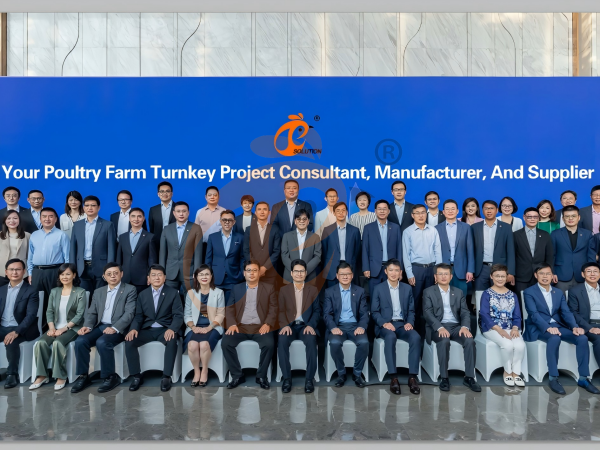
Hong Kong Headquarter Management Team
Hong Kong Headquarter Taiyu Industrial Group CO., LTD
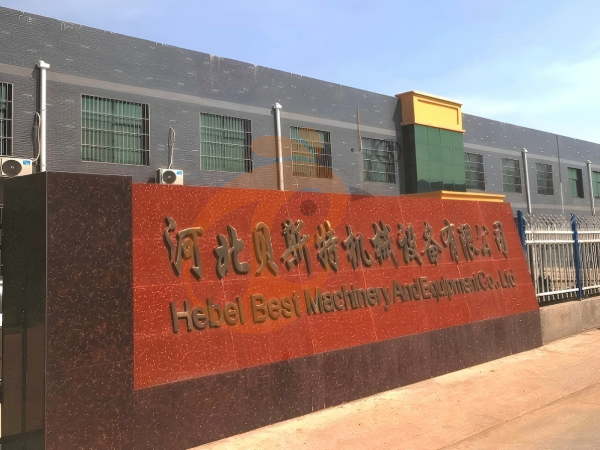
China Hebei Best Machinery And Equipment CO., LTD
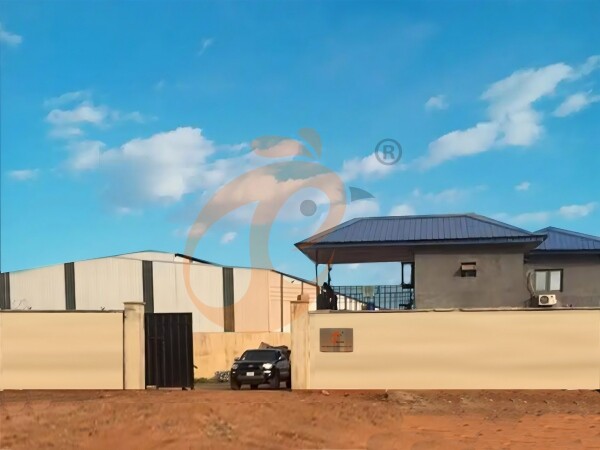
Nigeria Vanke Machinery And Equipment CO., LTD
Tanzania Best Machinery And Equipment CO., LTD
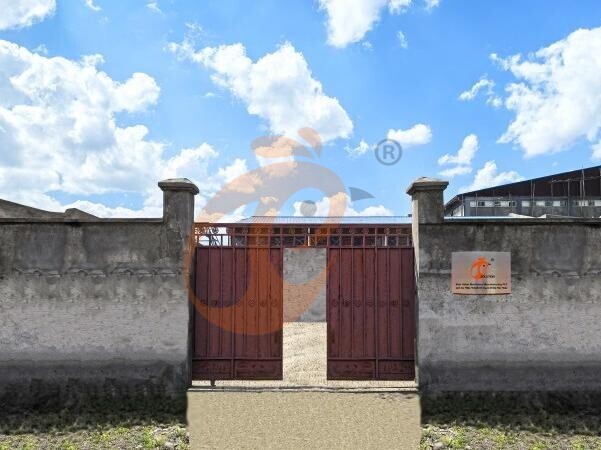
Ethiopia Best Hebei Machinery Manufacturing PLC
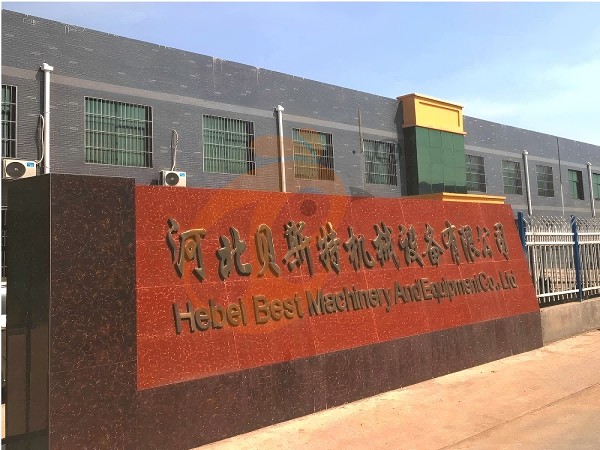
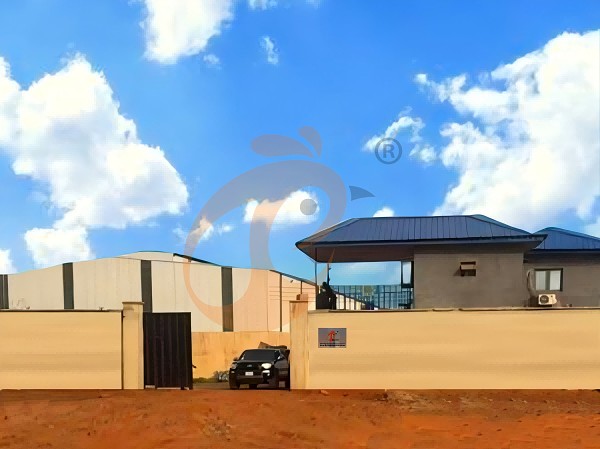
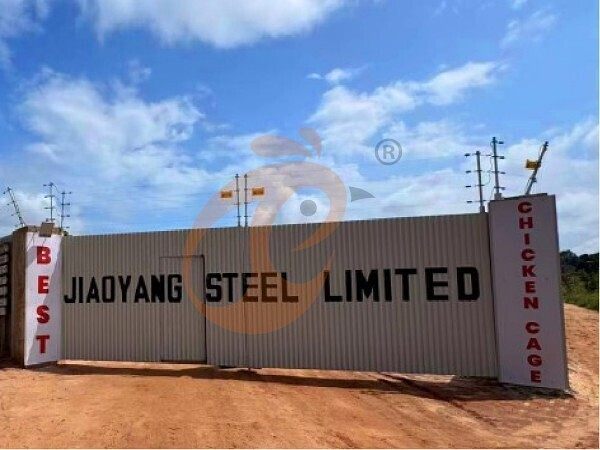
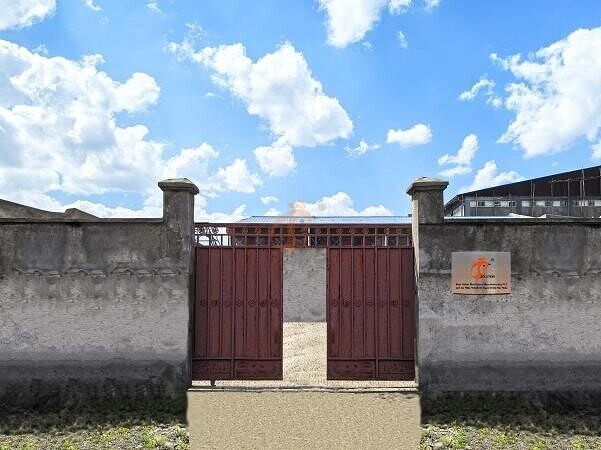
Reception /24 WhatsApp NO. : +8618830120193
MESSAGE
Products recommended
 HK Headquarter Offers EU-standard Poultry Farm Solutions, Manufacture Poultry Farm Equipment1. Continuous communication with the EU and the US
2. China, Nigeria, Ethiopia, Tanzania branch companies and factories
3. The products’ quality is customized for local poultry farms
4. Poultry cage and poultry farm equipment stock for sale
5. 24 online reception Whatsapp NO. : +8618830120193,contact us to get full informationRead More China Branch Offer Poultry Farm Business Plan, Manufacture Poultry Farm Equipment1. Address: Flat/RM 2416, 24/F, Runxing Building, Youyi Nan Street, Shijiazhuang City, Hebei Province, China
2. Poultry cage and poultry farm equipment factory and stock for sale
3. Customized for local poultry farms
4. Quality and design are based on Euro
5. 24 online reception Whatsapp NO. : +8618830120193Read More Nigeria Branch Offer Poultry Farm Business Plan, Manufacture Poultry Farm Equipment1. Address: After Sinoma Office, 200 Meters Near Danco Filling Station, Lagos/Ibadan Expressway, Lagos State, Nigeria
2. Poultry cage and poultry farm equipment factory and stock for sale
3. Customized for Nigerian poultry farms
4. Quality and design are based on Euro
5. 24 online reception Whatsapp NO. : +8618830120193Read More Ethiopia Branch Offer Poultry Farm Business Plan, Manufacture Poultry Farm Equipment1. Address: WR93+FQ2, Addis Ababa, Ethiopia
2. Poultry cage and poultry farm equipment stock for sale
3. Customized for Ethiopian poultry farms
4. Quality and design are based on Euro
5. 24 online reception Whatsapp NO. : +8618830120193, contact us to get price listRead More Tanzania Branch Offer Poultry Farm Business Plan, Manufacture Poultry Farm Equipment1. Address: No.8, Sova Road, Msufini, Mlandizi, Kibaha, Pwani, Tanzania
2. Poultry cage and poultry farm equipment factory and stock for sale
3. Customized for Tanzanian poultry farms
4. Quality and design are based on Euro
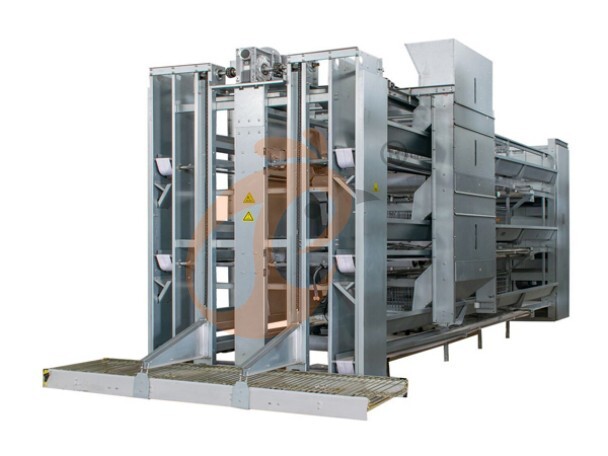
5. 24 online reception Whatsapp NO. : +8618830120193Read More Automatic H Type Layer Battery Cage System1. 30,000-100,000+ layers/house chooses it
2. Structure type stacked 3-16 tiers range
3. Stocking density up to 17 birds/cage
4. Service life 25 years
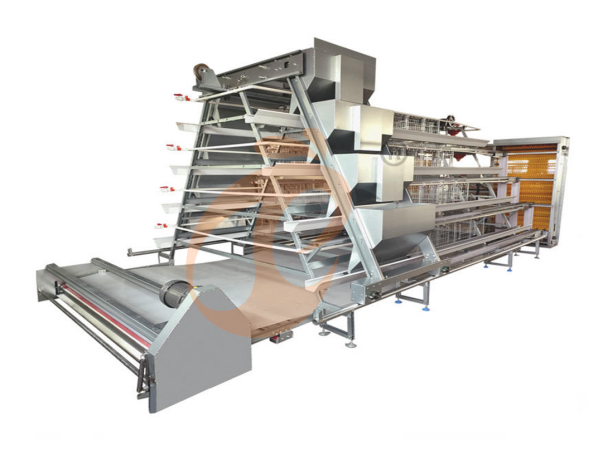
5. Reception /WhatsApp NO. : +8618830120193Read More Automatic A Type Layer Battery Cage System1. 10,000-30,000+ layers/house chooses it
2. Lifespan 25+ years
3. Labor requirement 1 worker per 10,000 birds
4. Reduce disease rates by 15%-20%.
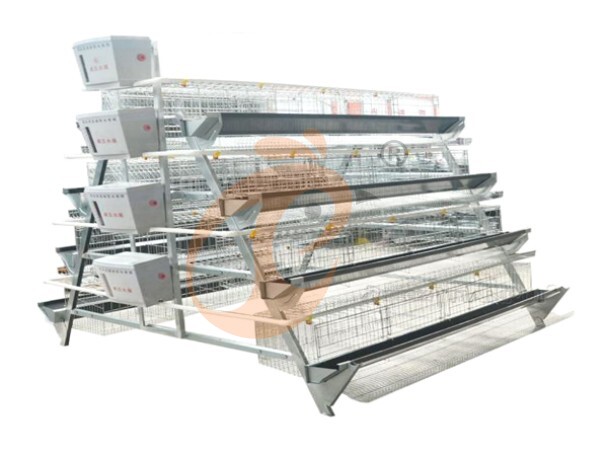
5. Reception /WhatsApp NO. : +8618830120193Read More Semi Automatic A Type Layer Battery Cage System1. 1,00-10,000+ layers/house chooses it
2. Egg breakage rate≤ 0.5%
3. Mesh spacing 2.5×2.5 cm
4. Egg collection floor slope 7–8°
5. Reception /WhatsApp NO. : +8618830120193Read More