Deep litter vs battery cage is one of the most searched topics among poultry farmers looking for efficient and profitable systems.
Poultry housing systems significantly affect bird welfare, production efficiency, and farm profitability.
Choosing the right system depends on farm size, capital investment, labor, feed conversion, and biosecurity measures.
Many farmers are evaluating whether deep litter vs battery cage can reduce costs while maintaining optimal egg and meat production.
Understanding Deep Litter And Battery Cage Systems
Deep litter vs battery cage represents two fundamentally different poultry farming approaches.
Deep litter system allows birds to roam freely over bedding materials such as sawdust or rice hulls.
Birds can scratch, dust bathe, and express natural behavior, enhancing welfare.
Regular litter turning prevents ammonia accumulation and disease spread.
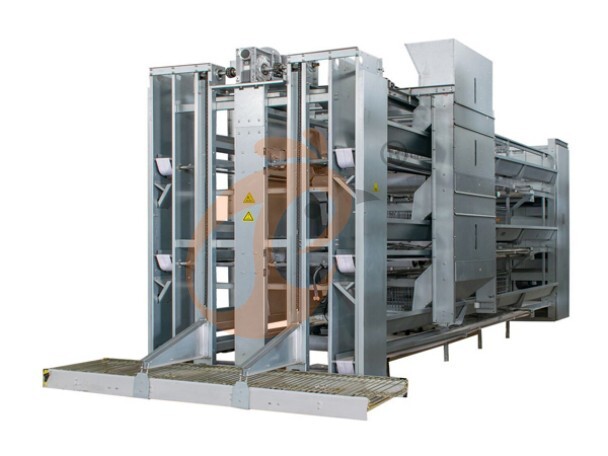
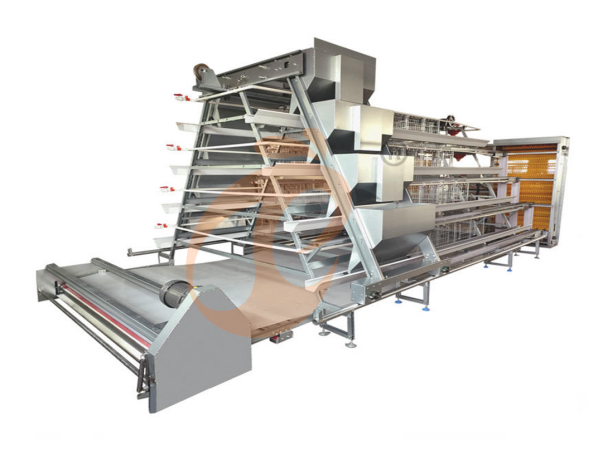
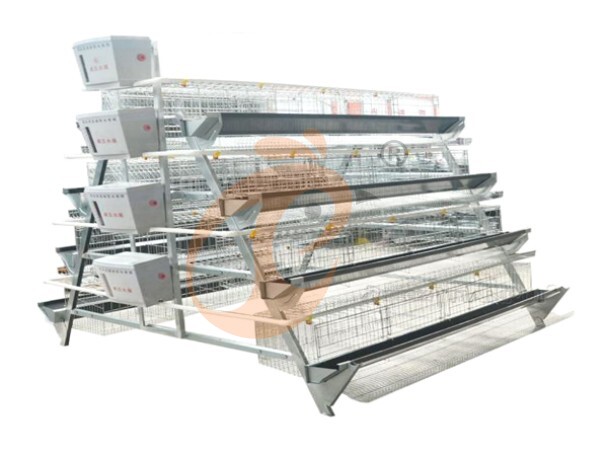
Battery cage system restricts movement but allows precise control of feed, water, and environmental conditions.
Automated systems improve efficiency and reduce mortality.
Battery cages are ideal for high-density, commercial operations.
Farmers considering deep litter vs battery cage must balance welfare, productivity, and operational costs.
Data is for reference only. Swipe horizontally to view full table.
Deep litter vs battery cage is also relevant when evaluating environmental impacts.
Litter can be composted while cages generate concentrated waste needing treatment.
Evaluate Farm Size And Stocking Density
Farm size directly affects system choice.
Small and medium farms benefit from deep litter vs battery cage by matching space availability and labor skills.
Large farms benefit from cage systems for optimized density.
Deep litter vs battery cage systems influence the number of birds per square meter and tier configurations.
This affects production volume and management.
Data is for reference only. Swipe horizontally to view full table.
Deep litter vs battery cage layouts for small farms generally use semi-automatic systems.
Industrial-scale operations employ fully automated production lines.
Compare Feed Conversion And Growth Performance
Feed efficiency and weight gain are crucial.
Battery cages typically yield better feed conversion ratios due to reduced activity.
Deep litter systems require 5–12% more feed but support welfare-friendly practices.
Deep litter vs battery cage performance differences are more pronounced in birds aged 3–7 weeks.
Data is for reference only. Swipe horizontally to view full table.
Deep litter vs battery cage ensures that commercial operations optimize feed use for maximum productivity.
Labor And Automation Requirements
Labor intensity differs.
Deep litter farms require daily cleaning, feeding, and egg collection.
Battery cages benefit from deep litter vs battery cage automation, reducing labor hours by over 60%.
Automated feeding, watering, and egg collection systems also improve precision and reduce human error.
Data is for reference only. Swipe horizontally to view full table.
Deep litter vs battery cage systems with IoT and intelligent monitoring further reduce labor and optimize farm performance.
Health, Mortality, And Biosecurity
Disease control is critical.
Deep litter systems can increase mortality if litter is poorly managed.
Battery cages offer reduced exposure to pathogens.
Deep litter vs battery cage management should include vaccination, litter turning, and biosecurity protocols to maintain flock health.
Data is for reference only. Swipe horizontally to view full table.
Initial Investment And Return On Investment
Upfront costs differ.
Deep litter systems are $4–6 per bird.
Battery cages cost $12–15 per bird.
ROI is faster for battery cages due to higher productivity.
Deep litter vs battery cage decision must factor feed cost, labor, mortality, and market prices.
Data is for reference only. Swipe horizontally to view full table.
Sustainability And Environmental Impact
Environmental management is essential.
Deep litter manure is compostable.
Battery cage manure requires collection systems.
Deep litter vs battery cage influences ammonia levels, water use, and energy consumption.
Data is for reference only. Swipe horizontally to view full table.
IoT And Intelligent Control Systems In Poultry Farms
Modern farms increasingly adopt IoT sensors, smart feeders, and automated climate systems.
Data from google indicates farms with IoT-based monitoring reduce mortality by 15% and feed waste by 10%.
Deep litter vs battery cage integrated with smart systems allows real-time monitoring of temperature, humidity, and water consumption.
Automated alerts prevent disease outbreaks, optimize feed schedules, and improve egg and meat production rates.
Frequently Asked Questions (FAQ)
Q1: Which system is more cost-effective for small farms?
A1: Deep litter systems have lower initial costs and are flexible for small-scale operations.
Q2: Can battery cages improve biosecurity?
A2: Yes, battery cages reduce disease spread and allow precise manure management.
Q3: How does IoT integration impact productivity?
A3: IoT systems reduce mortality, optimize feed, and improve overall efficiency by 10–15%.
HB Best - One Of China Largest Deep Litter Vs Battery Cage Manufacturer
HB BEST provides poultry farm equipment and turnkey solutions worldwide, ensuring high-quality production and delivery efficiency.
The company offers factory-direct pricing, saving customers 20–30% compared to standard distributors, supporting 80,000–1,000,000+ bird farms.
Full product range includes poultry cages, feeding systems, water lines, and IoT-enabled monitoring equipment.
Global turnkey project services include design, installation, training, and after-sales support for deep litter and battery cage systems.
HB BEST combines high-efficiency production, advanced automation, and over 15 years of experience in poultry farm equipment manufacturing.
Contact Us To Received Your Customized Poultry Farm Plan
Headquarters And Branchs

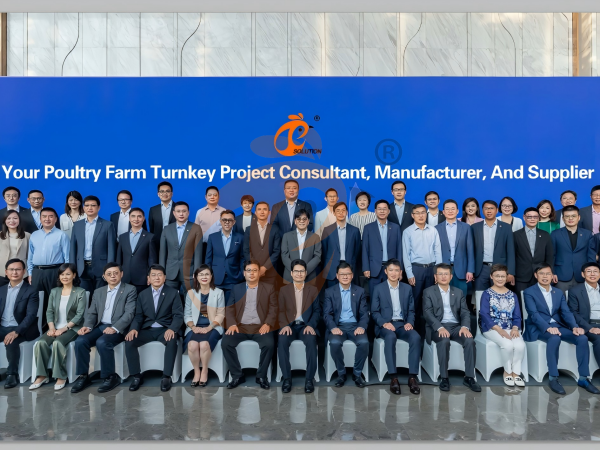
Hong Kong Headquarter Management Team
Hong Kong Headquarter Taiyu Industrial Group CO., LTD
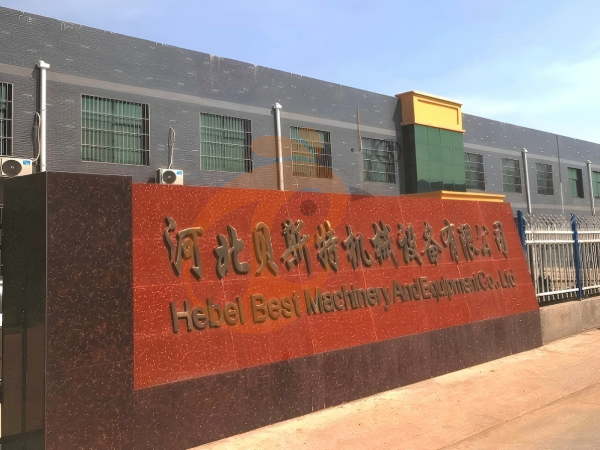
China Hebei Best Machinery And Equipment CO., LTD
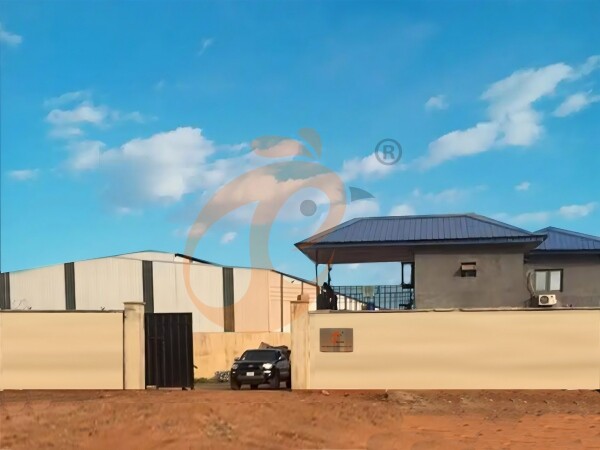
Nigeria Vanke Machinery And Equipment CO., LTD
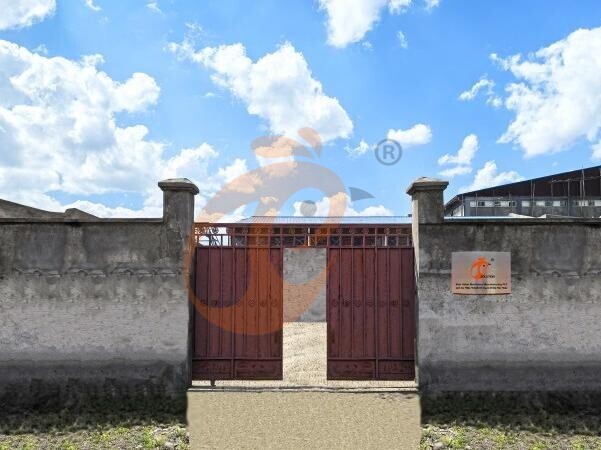
Tanzania Best Machinery And Equipment CO., LTD
Ethiopia Best Hebei Machinery Manufacturing PLC




Reception /24 WhatsApp NO. : +8618830120193
MESSAGE
Products recommended
 HK Headquarter Offers EU-standard Poultry Farm Solutions, Manufacture Poultry Farm Equipment1. Continuous communication with the EU and the US
2. China, Nigeria, Ethiopia, Tanzania branch companies and factories
3. The products’ quality is customized for local poultry farms
4. Poultry cage and poultry farm equipment stock for sale
5. 24 online reception Whatsapp NO. : +8618830120193,contact us to get full informationRead More China Branch Offer Poultry Farm Business Plan, Manufacture Poultry Farm Equipment1. Address: Flat/RM 2416, 24/F, Runxing Building, Youyi Nan Street, Shijiazhuang City, Hebei Province, China
2. Poultry cage and poultry farm equipment factory and stock for sale
3. Customized for local poultry farms
4. Quality and design are based on Euro
5. 24 online reception Whatsapp NO. : +8618830120193Read More Nigeria Branch Offer Poultry Farm Business Plan, Manufacture Poultry Farm Equipment1. Address: After Sinoma Office, 200 Meters Near Danco Filling Station, Lagos/Ibadan Expressway, Lagos State, Nigeria
2. Poultry cage and poultry farm equipment factory and stock for sale
3. Customized for Nigerian poultry farms
4. Quality and design are based on Euro
5. 24 online reception Whatsapp NO. : +8618830120193Read More Ethiopia Branch Offer Poultry Farm Business Plan, Manufacture Poultry Farm Equipment1. Address: WR93+FQ2, Addis Ababa, Ethiopia
2. Poultry cage and poultry farm equipment stock for sale
3. Customized for Ethiopian poultry farms
4. Quality and design are based on Euro
5. 24 online reception Whatsapp NO. : +8618830120193, contact us to get price listRead More Tanzania Branch Offer Poultry Farm Business Plan, Manufacture Poultry Farm Equipment1. Address: No.8, Sova Road, Msufini, Mlandizi, Kibaha, Pwani, Tanzania
2. Poultry cage and poultry farm equipment factory and stock for sale
3. Customized for Tanzanian poultry farms
4. Quality and design are based on Euro
5. 24 online reception Whatsapp NO. : +8618830120193Read More Automatic H Type Layer Battery Cage System1. 30,000-100,000+ layers/house chooses it
2. Structure type stacked 3-16 tiers range
3. Stocking density up to 17 birds/cage
4. Service life 25 years
5. Reception /WhatsApp NO. : +8618830120193Read More Automatic A Type Layer Battery Cage System1. 10,000-30,000+ layers/house chooses it
2. Lifespan 25+ years
3. Labor requirement 1 worker per 10,000 birds
4. Reduce disease rates by 15%-20%.
5. Reception /WhatsApp NO. : +8618830120193Read More Semi Automatic A Type Layer Battery Cage System1. 1,00-10,000+ layers/house chooses it
2. Egg breakage rate≤ 0.5%
3. Mesh spacing 2.5×2.5 cm
4. Egg collection floor slope 7–8°
5. Reception /WhatsApp NO. : +8618830120193Read More