Poultry feed production in Ethiopia requires localized strategies addressing raw material variability, cost structure, and processing efficiency.
This article explains five operational steps tailored to Ethiopia's agricultural and economic realities.
It integrates regional feed resources, processing technologies, and quality control practices.
Practical solutions are provided for smallholder farmers and commercial producers.
The goal is to improve feed efficiency, reduce cost pressure, and stabilize poultry production systems.
Get professional poultry farm construction guidance, equipment selection solutions, and the latest price lists, whatsApp to +8618830120193, click to learn more.

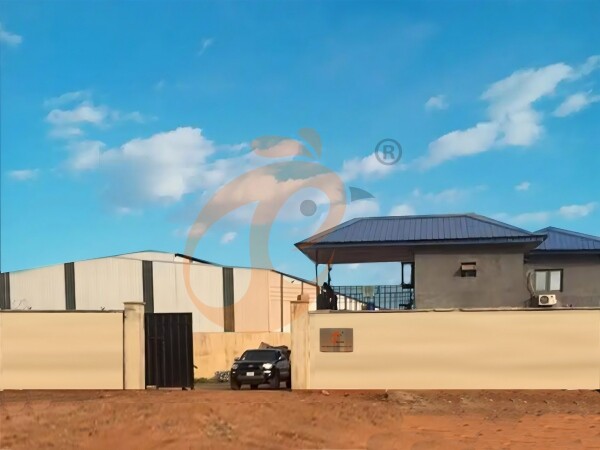
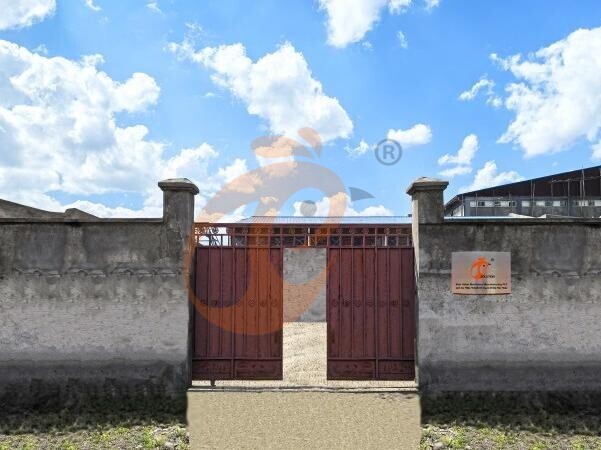
Ethiopia Branch Office And Factory Of Poultry Farm Equipment
Strategic Raw Material Sourcing In Ethiopia
Efficient poultry feed production in Ethiopia depends on access to maize, soybean meal, and agro industrial by products.
Supply variability across Oromia, Amhara, and SNNPR regions directly impacts feed mill consistency.
Data is for reference only.Swipe horizontally to view full table.
A major constraint is competition between human consumption and feed use.
Establishing contract farming and cooperative storage systems reduces seasonal disruption.
This approach supports stable poultry feed production in Ethiopia.
Feed Formulation Based On Local Nutritional Data
Feed formulation must adapt to Ethiopian crop variability influenced by altitude and rainfall.
Accurate nutrient profiling ensures consistent poultry growth performance.
Data is for reference only.Swipe horizontally to view full table.
Using least cost formulation software allows dynamic adjustment based on ingredient prices and availability.
This method improves poultry feed production in Ethiopia under changing market conditions.
Cost Control And Price Volatility Management
Feed cost instability significantly affects poultry profitability in Ethiopia.
A 100 kg feed bag may range between 4500–5200 Ethiopian Birr depending on season and supply conditions (European union standard reference only).
Data is for reference only.Swipe horizontally to view full table.
Transport inefficiencies and fuel costs increase operational burden.
Decentralized feed mills near production zones can reduce logistics expenses.
Quality Control And Feed Safety
Feed contamination, particularly aflatoxin, remains a serious issue in Ethiopia.
Improper storage and humidity exposure increase toxin levels in maize and oilseed cakes.
Data is for reference only.Swipe horizontally to view full table.
Regular testing and the use of toxin binders help maintain feed safety.
Improved warehouse ventilation systems are necessary in humid regions.
Efficient Feed Processing Technology
Feed processing efficiency depends on grinding, mixing, pelleting, and cooling stages.
Electricity interruptions in Ethiopia require backup energy solutions.
Data is for reference only.Swipe horizontally to view full table.
Hybrid energy systems combining diesel and solar improve operational continuity.
Routine maintenance extends equipment lifespan and reduces downtime.
Supply Chain Optimization In Ethiopia
Feed supply chains in Ethiopia are fragmented and regionally imbalanced.
Integration between farmers, feed mills, and distributors improves efficiency.
Data is for reference only.Swipe horizontally to view full table.
Cooperative based distribution systems can stabilize feed access.
Alternative Feed Resources Integration
Reducing dependence on maize and soybean is critical for long term sustainability.
Ethiopia has diverse alternative feed resources suitable for poultry diets.
Data is for reference only.Swipe horizontally to view full table.
Utilizing these alternatives lowers feed cost pressure and enhances resilience.
This supports long term poultry feed production in Ethiopia sustainability.
Regional Feed Resource Distribution
Feed resource distribution varies significantly across Ethiopian regions.
This variation requires localized feed mill planning.
Data is for reference only.Swipe horizontally to view full table.
Regional adaptation improves feed formulation efficiency and reduces transportation costs.
Addressing Smallholder Constraints
Smallholder farmers account for the majority of poultry production in Ethiopia, yet their productivity remains constrained by fragmented supply chains and inconsistent feed access.
In many rural areas, farmers travel over 20–50 km to obtain commercial feed, increasing both time and cost burdens.
A practical solution is the establishment of cluster based mini feed mills linked with farmer cooperatives, allowing localized production using maize, teff bran, and oilseed by products.
Integrating chicken cage systems with controlled feeding further reduces feed wastage and improves feed conversion efficiency.
Targeted extension services and mobile based training platforms can deliver practical formulation knowledge, enabling farmers to produce balanced rations independently.
Technology And Knowledge Gaps
Ethiopia's feed sector is constrained by limited laboratory infrastructure, with fewer than 15 certified feed testing facilities nationwide.
This restricts accurate nutrient analysis and quality assurance.
Digital formulation tools remain underutilized due to lack of technical training and internet accessibility in rural zones.
Developing offline compatible formulation software and regional testing hubs can significantly improve feed consistency.
Collaboration between universities, government agencies, and private operators can accelerate knowledge transfer and standardization.
Economic And Policy Considerations
Feed production efficiency in Ethiopia is closely linked to macroeconomic conditions, particularly foreign exchange shortages affecting premix imports.
Import dependency exposes feed mills to cost fluctuations exceeding 30% annually (European union standard reference only).
Expanding local production of protein sources such as soybean and sesame cake can reduce external reliance.
Access to credit remains limited, especially for small scale operators, restricting investment in modern equipment.
Policy interventions such as tax incentives, subsidized loans, and infrastructure development can strengthen domestic feed production capacity and stabilize the poultry sector.
Frequently Asked Questions
Q1: Is this type of feed mill system suitable for Ethiopian poultry farms?
A1: Yes, especially when adapted to local raw materials such as maize, noug cake, and wheat bran.
Decentralized systems are more practical for rural Ethiopian conditions.
Q2: How can Ethiopian farmers reduce feed costs effectively?
A2: Using alternative ingredients like teff bran and sorghum reduces dependence on expensive soybean meal.
Cooperative purchasing also lowers raw material costs.
Q3: Can chicken cage systems be integrated with feed mill operations in Ethiopia?
A3: Yes, combining chicken cage systems with efficient feed supply improves feed conversion and reduces waste.
This integrated approach is suitable for both smallholder and commercial farms.
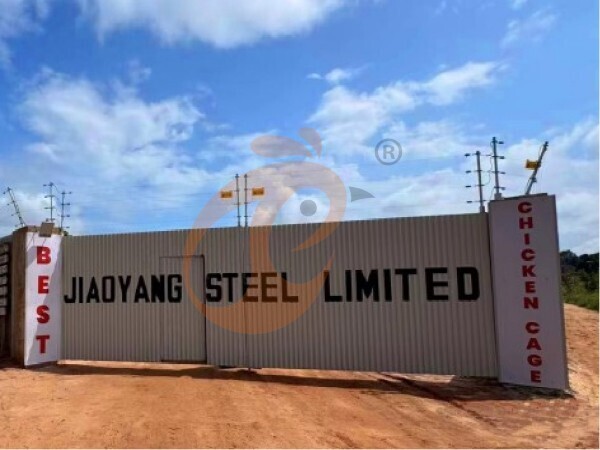
Ethiopia Best Hebei Machinery Manufacturing Plc - One Of Ethiopia Largest Chicken Cage Manufacturer
Global factory direct supply ensures cost efficiency and stable delivery timelines for Ethiopian poultry farms.
Comprehensive poultry farm equipment including poultry cage and automated feeding systems provided for modern operations.
Turn key engineering solutions support full poultry project implementation from design to operation phases.
Technical support services include installation guidance and operational training adapted to Ethiopian conditions.
Product systems are designed for durability under local environmental and power supply challenges.
Contact Us To Received Your Customized Poultry Farm Plan
Headquarters And Branchs

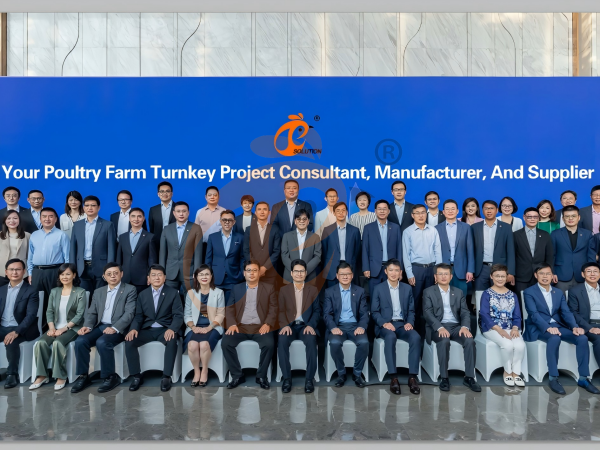
Hong Kong Headquarter Management Team
Hong Kong Headquarter Taiyu Industrial Group CO., LTD
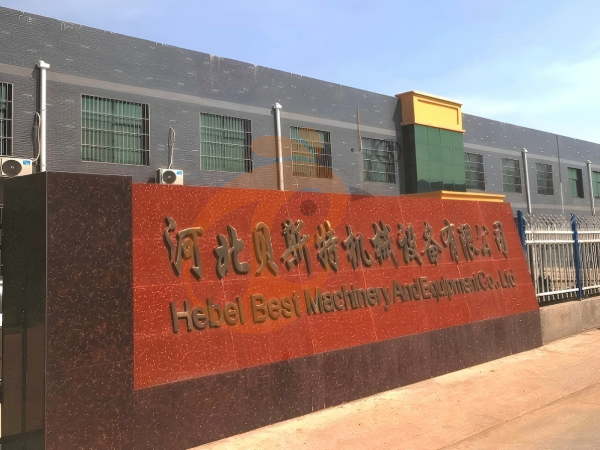
China Hebei Best Machinery And Equipment CO., LTD
Nigeria Vanke Machinery And Equipment CO., LTD
Tanzania Best Machinery And Equipment CO., LTD
Ethiopia Best Hebei Machinery Manufacturing PLC




Reception /24 WhatsApp NO. : +8618830120193
MESSAGE
Products recommended
 HK Headquarter Offers EU-standard Poultry Farm Solutions, Manufacture Poultry Farm Equipment1. Continuous communication with the EU and the US
2. China, Nigeria, Ethiopia, Tanzania branch companies and factories
3. The products’ quality is customized for local poultry farms
4. Poultry cage and poultry farm equipment stock for sale
5. 24 online reception Whatsapp NO. : +8618830120193,contact us to get full informationRead More China Branch Offer Poultry Farm Business Plan, Manufacture Poultry Farm Equipment1. Address: Flat/RM 2416, 24/F, Runxing Building, Youyi Nan Street, Shijiazhuang City, Hebei Province, China
2. Poultry cage and poultry farm equipment factory and stock for sale
3. Customized for local poultry farms
4. Quality and design are based on Euro
5. 24 online reception Whatsapp NO. : +8618830120193Read More Nigeria Branch Offer Poultry Farm Business Plan, Manufacture Poultry Farm Equipment1. Address: After Sinoma Office, 200 Meters Near Danco Filling Station, Lagos/Ibadan Expressway, Lagos State, Nigeria
2. Poultry cage and poultry farm equipment factory and stock for sale
3. Customized for Nigerian poultry farms
4. Quality and design are based on Euro
5. 24 online reception Whatsapp NO. : +8618830120193Read More Ethiopia Branch Offer Poultry Farm Business Plan, Manufacture Poultry Farm Equipment1. Address: WR93+FQ2, Addis Ababa, Ethiopia
2. Poultry cage and poultry farm equipment stock for sale
3. Customized for Ethiopian poultry farms
4. Quality and design are based on Euro
5. 24 online reception Whatsapp NO. : +8618830120193, contact us to get price listRead More Tanzania Branch Offer Poultry Farm Business Plan, Manufacture Poultry Farm Equipment1. Address: No.8, Sova Road, Msufini, Mlandizi, Kibaha, Pwani, Tanzania
2. Poultry cage and poultry farm equipment factory and stock for sale
3. Customized for Tanzanian poultry farms
4. Quality and design are based on Euro
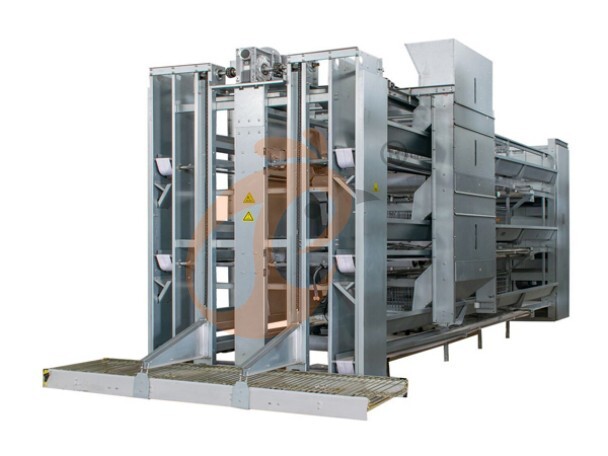
5. 24 online reception Whatsapp NO. : +8618830120193Read More Automatic H Type Layer Battery Cage System1. 30,000-100,000+ layers/house chooses it
2. Structure type stacked 3-16 tiers range
3. Stocking density up to 17 birds/cage
4. Service life 25 years
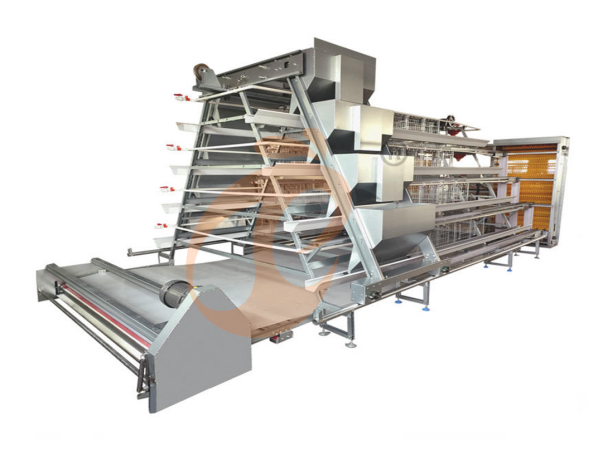
5. Reception /WhatsApp NO. : +8618830120193Read More Automatic A Type Layer Battery Cage System1. 10,000-30,000+ layers/house chooses it
2. Lifespan 25+ years
3. Labor requirement 1 worker per 10,000 birds
4. Reduce disease rates by 15%-20%.
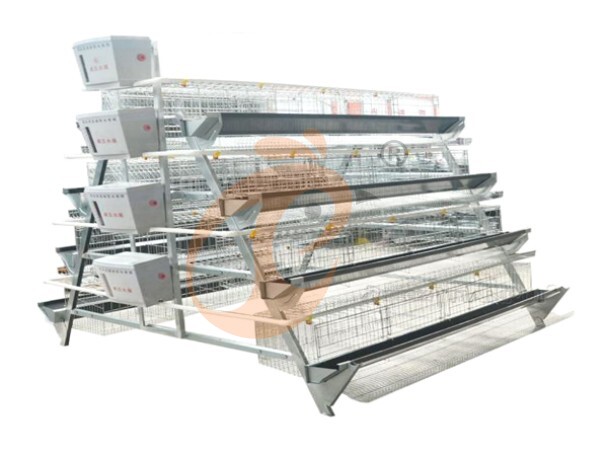
5. Reception /WhatsApp NO. : +8618830120193Read More Semi Automatic A Type Layer Battery Cage System1. 1,00-10,000+ layers/house chooses it
2. Egg breakage rate≤ 0.5%
3. Mesh spacing 2.5×2.5 cm
4. Egg collection floor slope 7–8°
5. Reception /WhatsApp NO. : +8618830120193Read More