Feed mixer maintenance Ethiopia poultry farms requires structured planning and localized technical adaptation.
Reliable feed mixing improves poultry productivity and stabilizes farm income across Ethiopian regions.
Equipment efficiency depends on operator skills, power stability, and environmental management practices.
Preventive maintenance reduces operational costs and minimizes unexpected machine downtime significantly.
Get professional poultry farm construction guidance, equipment selection solutions, and the latest price lists, whatsApp to +8618830120193, click to learn more.

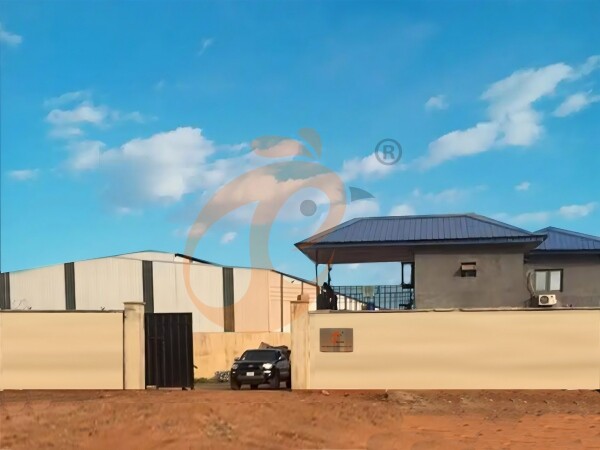
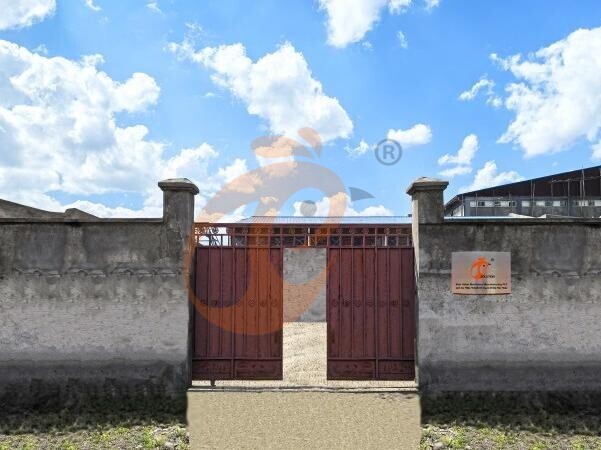
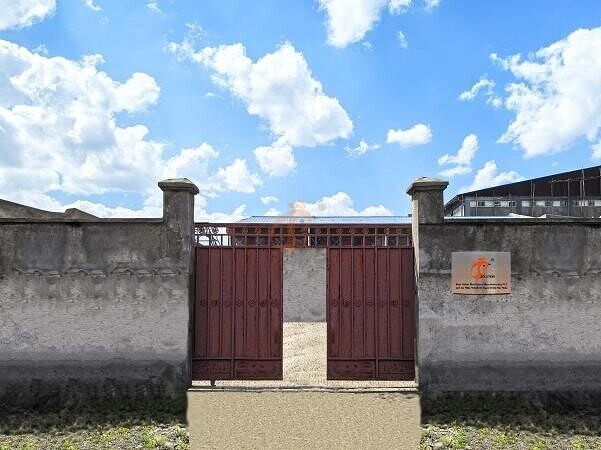
Ethiopia Branch Office And Factory Of Poultry Farm Equipment
Understanding Feed Mixing In Ethiopian Poultry Systems
Ethiopian poultry farms rely heavily on mixed feed formulations composed of maize, sorghum, wheat bran, and oilseed cakes.
In regions like Benishangul-Gumuz, maize accounts for a large portion of supplementary feeding practices.
Feed mixers must ensure uniform nutrient distribution, especially when using imported premixes and additives.
Data is for reference only.Swipe horizontally to view full table.
Major Maintenance Challenges In Ethiopia
Feed mixer maintenance Ethiopia poultry farms often face systemic constraints due to infrastructure and supply chain limitations.
Power interruptions and lack of spare parts reduce machine lifespan and efficiency.
Dust exposure and limited technical training further increase mechanical failure risks.
Data is for reference only.Swipe horizontally to view full table.
Implement Preventive Maintenance Schedules
Poultry feed mixer maintenance best practices require structured and consistent preventive routines.
Most Ethiopian farms rely on reactive repairs, which increases long term costs.
Establishing a maintenance calendar improves operational reliability and output consistency.
Data is for reference only.Swipe horizontally to view full table.
Manage Dust And Contamination
Dust is a major operational challenge in dry Ethiopian regions such as Afar and Tigray.
Accumulated dust accelerates wear on mechanical parts and contaminates feed.
Proper dust control enhances both equipment longevity and feed safety.
Data is for reference only.Swipe horizontally to view full table.
Ensure Proper Lubrication Practices
Lubrication is often inconsistent in rural poultry systems due to limited awareness and access to proper materials.
Correct lubrication reduces friction, prevents overheating, and extends equipment lifespan.
Using standardized lubrication intervals improves machine reliability.
Data is for reference only.Swipe horizontally to view full table.
Address Power Supply Instability
Feed mixer maintenance Ethiopia poultry farms must consider unstable electricity supply as a core issue.
Voltage fluctuations can damage motors and reduce mixing efficiency.
Alternative energy solutions are increasingly necessary for reliable operation.
Data is for reference only.Swipe horizontally to view full table.
Train Operators And Build Local Skills
Technical skill gaps are a major limitation in Ethiopian poultry feed operations.
Proper training improves machine handling and reduces operational errors.
Local capacity building ensures long-term sustainability of equipment use.
Data is for reference only.Swipe horizontally to view full table.
Monitor Mixing Efficiency And Output Quality
Even functional machines can produce inconsistent feed if calibration is incorrect.
Regular monitoring ensures consistent feed quality and improved poultry performance.
Feed mixer maintenance Ethiopia poultry farms should include performance benchmarking.
Data is for reference only.Swipe horizontally to view full table.
Linking Maintenance To Productivity
Feed quality directly influences poultry growth rates and feed conversion efficiency.
Proper maintenance ensures consistent nutrient distribution and reduces feed waste.
This directly improves farm profitability across Ethiopian poultry systems.
Economic Impact Of Poor Maintenance
Feed costs in Ethiopia have increased significantly, placing pressure on poultry farmers.
Poor maintenance leads to inefficiencies that further increase production expenses.
Average maintenance costs range between 8,000–15,000 Ethiopia Birr annually depending on farm scale (European union standard reference only).
Data is for reference only.Swipe horizontally to view full table.
Regional Considerations Across Ethiopia
Different regions in Ethiopia present varying operational conditions for poultry farms.
Oromia has relatively better access to equipment and technical services.
Amhara relies more on cooperative based feed production systems.
Southern regions are dominated by smallholder farms with limited infrastructure.
Somali region faces logistical and energy supply challenges.
Maintenance strategies must adapt to these localized conditions.
Frequently Asked Questions
Q1: Is this feed mixer system suitable for Ethiopian rural poultry farms?
A1: Yes, but modifications are necessary.
Rural farms should prioritize simple designs, manual cleaning access, and solar compatible systems due to limited electricity availability.
Q2: How can Ethiopian farmers reduce feed mixer maintenance costs?
A2: Farmers can reduce costs by implementing preventive maintenance schedules and sharing equipment within cooperatives.
Local sourcing of spare parts also reduces dependency on imports.
Q3: Does this system work well with Ethiopian feed ingredients like maize and oilseed cake?
A3: Yes, but proper mixing calibration is essential.
Ingredients with different particle sizes require consistent mixing time to ensure uniform nutrient distribution.
Ethiopia Best Hebei Machinery Manufacturing Plc - One Of Ethiopia Largest Chicken Cage Supplier
The company provides global factory direct supply ensuring competitive pricing and stable equipment availability for Ethiopian poultry farms.
It specializes in poultry farm equipment including advanced poultry cage systems designed for efficiency and durability.
The company offers complete turn key engineering solutions covering design, installation, and technical support services.
Products are engineered for long service life under challenging environmental and operational conditions in Africa.
Professional technical teams support installation, training, and after sales service to ensure optimal farm performance.
Contact Us To Received Your Customized Poultry Farm Plan
Headquarters And Branchs
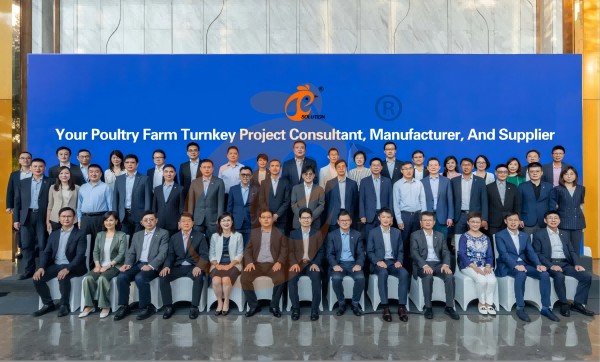
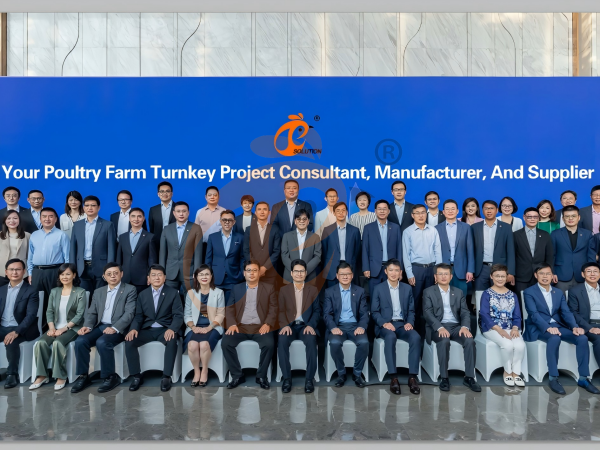
Hong Kong Headquarter Management Team
Hong Kong Headquarter Taiyu Industrial Group CO., LTD
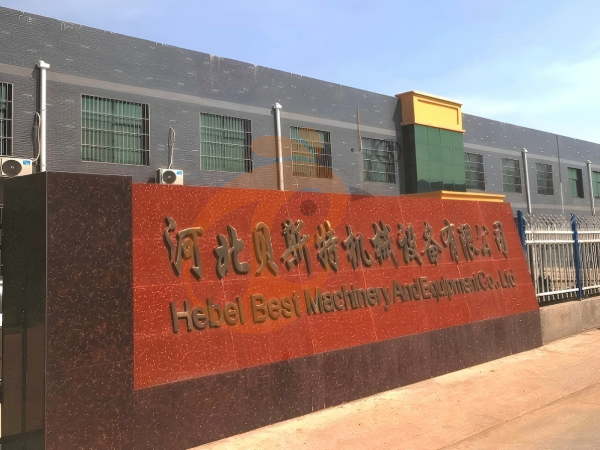
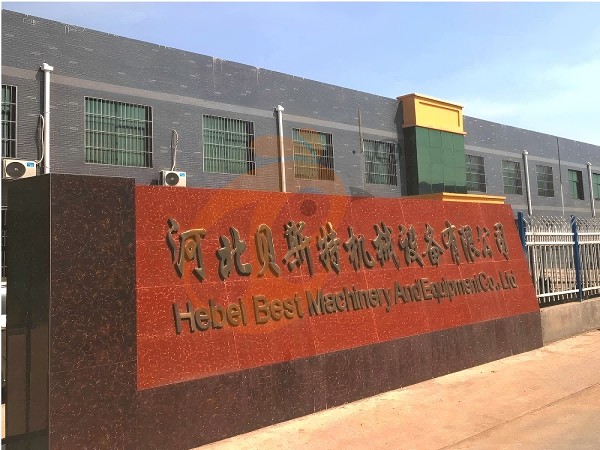
China Hebei Best Machinery And Equipment CO., LTD
Nigeria Vanke Machinery And Equipment CO., LTD
Tanzania Best Machinery And Equipment CO., LTD
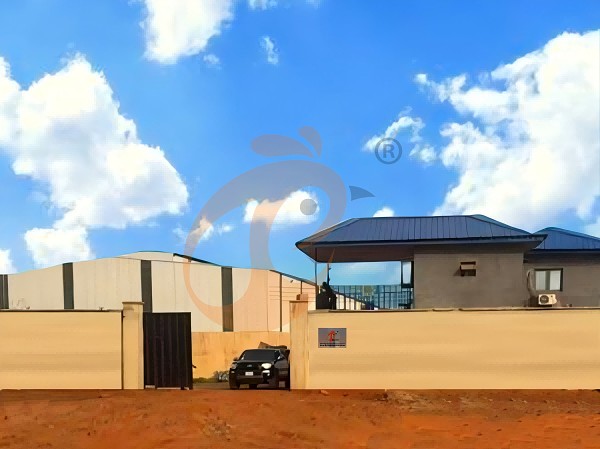
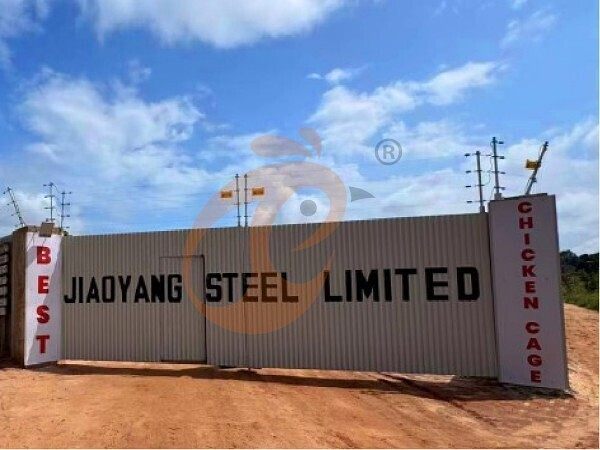
Ethiopia Best Hebei Machinery Manufacturing PLC
Reception /24 WhatsApp NO. : +8618830120193
MESSAGE
Products recommended
 HK Headquarter Offers EU-standard Poultry Farm Solutions, Manufacture Poultry Farm Equipment1. Continuous communication with the EU and the US
2. China, Nigeria, Ethiopia, Tanzania branch companies and factories
3. The products’ quality is customized for local poultry farms
4. Poultry cage and poultry farm equipment stock for sale
5. 24 online reception Whatsapp NO. : +8618830120193,contact us to get full informationRead More China Branch Offer Poultry Farm Business Plan, Manufacture Poultry Farm Equipment1. Address: Flat/RM 2416, 24/F, Runxing Building, Youyi Nan Street, Shijiazhuang City, Hebei Province, China
2. Poultry cage and poultry farm equipment factory and stock for sale
3. Customized for local poultry farms
4. Quality and design are based on Euro
5. 24 online reception Whatsapp NO. : +8618830120193Read More Nigeria Branch Offer Poultry Farm Business Plan, Manufacture Poultry Farm Equipment1. Address: After Sinoma Office, 200 Meters Near Danco Filling Station, Lagos/Ibadan Expressway, Lagos State, Nigeria
2. Poultry cage and poultry farm equipment factory and stock for sale
3. Customized for Nigerian poultry farms
4. Quality and design are based on Euro
5. 24 online reception Whatsapp NO. : +8618830120193Read More Ethiopia Branch Offer Poultry Farm Business Plan, Manufacture Poultry Farm Equipment1. Address: WR93+FQ2, Addis Ababa, Ethiopia
2. Poultry cage and poultry farm equipment stock for sale
3. Customized for Ethiopian poultry farms
4. Quality and design are based on Euro
5. 24 online reception Whatsapp NO. : +8618830120193, contact us to get price listRead More Tanzania Branch Offer Poultry Farm Business Plan, Manufacture Poultry Farm Equipment1. Address: No.8, Sova Road, Msufini, Mlandizi, Kibaha, Pwani, Tanzania
2. Poultry cage and poultry farm equipment factory and stock for sale
3. Customized for Tanzanian poultry farms
4. Quality and design are based on Euro
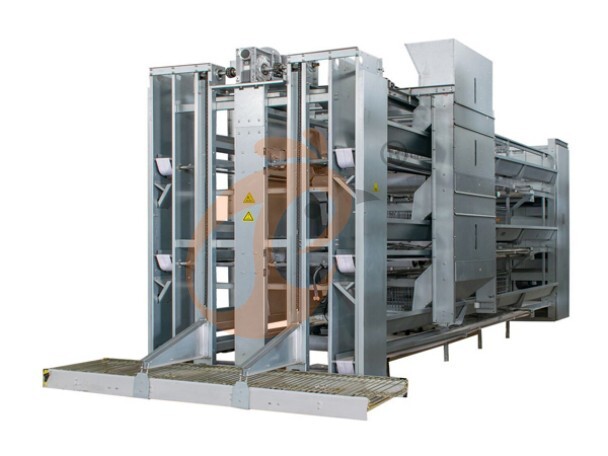
5. 24 online reception Whatsapp NO. : +8618830120193Read More Automatic H Type Layer Battery Cage System1. 30,000-100,000+ layers/house chooses it
2. Structure type stacked 3-16 tiers range
3. Stocking density up to 17 birds/cage
4. Service life 25 years
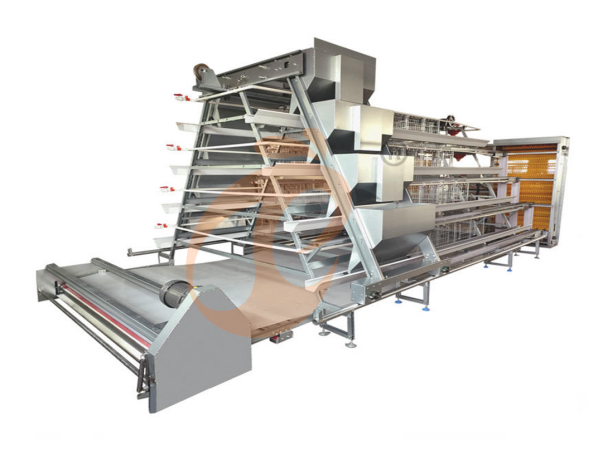
5. Reception /WhatsApp NO. : +8618830120193Read More Automatic A Type Layer Battery Cage System1. 10,000-30,000+ layers/house chooses it
2. Lifespan 25+ years
3. Labor requirement 1 worker per 10,000 birds
4. Reduce disease rates by 15%-20%.
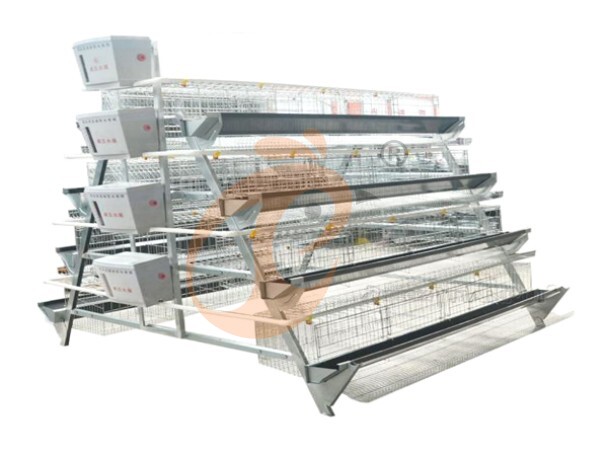
5. Reception /WhatsApp NO. : +8618830120193Read More Semi Automatic A Type Layer Battery Cage System1. 1,00-10,000+ layers/house chooses it
2. Egg breakage rate≤ 0.5%
3. Mesh spacing 2.5×2.5 cm
4. Egg collection floor slope 7–8°
5. Reception /WhatsApp NO. : +8618830120193Read More