- Floor rearing system maintenance combines structural durability, feeding control, water delivery, ventilation, and service planning for commercial poultry houses operating across long production cycles with 60–150 m building lengths
Automatic poultry feeding system design affects labor, mechanical wear, feed distribution, and replacement planning through coordinated hoppers, augers, motors, pans, sensors, and suspension assemblies
Poultry drinking system performance depends on controlled pressure, suitable flow, filtration, flushing, nipple quality, and pipeline configuration to limit leakage and unnecessary maintenance
Ventilation and climate equipment influence energy use, environmental stability, equipment workload, and service frequency through airflow capacities reaching 30,000–50,000 m³/h
- Professional equipment selection combines engineering specifications, spare parts, preventive maintenance, turnkey installation, and technical support to create predictable long-term operating costs for commercial poultry production
Get professional poultry farm construction guidance, equipment selection solutions, and the latest price lists, whatsApp to +8618830120193, click to learn more:
Maintenance Cost Starts With System Configuration
For a commercial poultry house, floor rearing system maintenance cost should be evaluated across the complete equipment structure rather than by looking at one machine.
A properly engineered automatic poultry feeding system connects feeding, drinking, ventilation, heating, cooling, lighting, and environmental control into one operating structure.
A commercial house can be designed around a 60–150 m building length and 12–18 m building width, with equipment positions calculated before installation.
A complete equipment quotation should include installation access, electrical requirements, replacement components, and commissioning procedures.
A practical floor rearing system installation can reserve 0.6–1.0 m service clearance around critical equipment for inspection and component replacement.
Factor #1: Equipment Quality Determines Replacement Frequency
The first long-term maintenance decision for a floor rearing system is material selection.
Poultry houses expose equipment to moisture, dust, manure, cleaning chemicals, and ammonia-containing air, so structural protection directly affects serviceability.
Galvanized steel with a 275 g/m² zinc coating provides a useful corrosion-protection reference, while component thickness can be specified according to structural loading requirements.
The advantage of corrosion-resistant materials becomes more important as production cycles accumulate.
Equipment that remains dimensionally stable reduces repeated alignment requirements and supports easier cleaning after each flock.
Factor #2: Feeding Equipment Affects Mechanical Wear
An automatic poultry feeding system operates repeatedly throughout every production cycle, making drive assemblies, conveying components, feed pans, sensors, and suspension systems important maintenance points.
A commercial floor rearing system can use feeding equipment around 450–800 kg/h, matched to house layout and flock requirements.
The value of an integrated automatic poultry feeding system is not simply automation.
Correct matching between hopper, auger, drive motor, feed pans, sensors, and controls prevents individual components from operating outside intended conditions.
This becomes especially important when multiple feeding lines serve one house.
Factor #3: Water-System Design Controls Hidden Maintenance
A poultry drinking system deserves particular attention because small leaks can gradually affect litter, structural components, and cleaning workload.
A commercial floor rearing system may operate drinking equipment around 15–30 kPa pressure, while pipeline flushing can use approximately 1.2–2.0 m/s velocity for regular line cleaning.
A professional poultry drinking system should be treated as a complete hydraulic network rather than a collection of individual nipples.
Filters, regulators, pipes, nipples, flushing points, and suspension assemblies should be selected together.
Factor #4: Ventilation Maintenance Directly Affects Energy Use
Ventilation equipment is a major maintenance category within a floor rearing system because dust accumulation, belt condition, motor performance, blade
balance, and inlet adjustment can change airflow performance.
Commercial tunnel fans can be specified around 36–50 inches in diameter, while individual units may deliver approximately 30,000–50,000 m³/h according to
model and operating conditions.
A complete ventilation package should be engineered from building volume, climate, bird biomass, fan quantity, and inlet arrangement.
The maintenance advantage of professional floor rearing system design is that technicians can inspect defined components instead of repeatedly modifying incompatible equipment.
Factor #5: Climate-Control Components Need Planned Servicing
Environmental-control equipment converts sensor information into operating decisions for fans, heaters, cooling equipment, and air inlets.
Within a floor rearing system, a sensor error can influence several pieces of equipment simultaneously.
A commercial controller can use ±0.5°C sensor accuracy, while environmental control systems coordinate temperature and humidity inputs across several operating functions.
The commercial value of an intelligent floor rearing system is measurable through operating consistency rather than simply the word “automatic”.
When feeding, ventilation, heating, and cooling operate through one control architecture, operators can identify abnormal conditions earlier and reduce
unnecessary manual adjustments.
Factor #6: Spare Parts Availability Determines Downtime Exposure
A maintenance strategy for a floor rearing system is incomplete without a spare-parts plan.
Critical parts should be identified according to function, replacement procedure, and compatibility with installed equipment.
A professional supplier can establish maintenance schedules around 500 operating hours for feeding-motor inspection and 90-day sensor calibration.
For an automatic poultry feeding system manufacturer, after-sales service should be part of the equipment solution rather than an optional extra.
Technical drawings, component codes, installation manuals, electrical diagrams, and replacement-part information help operators identify correct components
before failures become prolonged production interruptions.
Maintenance Scheduling Should Follow Operating Hours
A floor rearing system should use measurable operating conditions rather than waiting for visible equipment failure.
Feeding motors, ventilation motors, water systems, sensors, and structural components each require different inspection logic.
A 14-day water-filter cleaning cycle and 3-month fan-blade inspection interval can create a practical maintenance calendar for continuous production.
This schedule can also become part of a supplier’s after-sales package.
Providing maintenance intervals with a poultry drinking system or other equipment gives customers a defined operating procedure and demonstrates lifecycle engineering rather than installation-only support.
Calculate Total Cost Through Equipment Life
Total cost of ownership for a floor rearing system should combine equipment purchase, installation, electricity, water, labor, spare parts, and component replacement.
A supplier that provides technical specifications at quotation stage allows customers to compare systems using measurable engineering values instead of purchase prices alone.
For example, a 0.75 kW motor and a 1.50 kW motor should not be evaluated only by purchase price.
Suitability depends on conveying requirements, operating duration, line configuration, and actual mechanical load.
Design Maintenance Access Before Installation
Engineering Sequence
House Drawing → Equipment Layout → Service Clearance → Installation → Commissioning → Maintenance
Maintenance becomes easier when access is designed before equipment arrives at the farm.
A floor rearing system layout should include service passages, motor positions, control panels, water filters, and inspection points in the original engineering plan.
A project can reserve a 0.8–1.2 m service aisle and use 2.5–3.0 m suspension intervals to maintain practical access and stable equipment positioning.
The commercial advantage is straightforward: equipment that can be inspected quickly requires less labor during routine servicing.
Use Preventive Maintenance To Protect Production
A preventive maintenance program for a floor rearing system should follow the production calendar.
Before chicks enter the house, major systems should be tested; during production, operators should monitor equipment performance; after the flock leaves, worn components should be repaired or replaced.
A 24–48 hour preheating period before placement provides time to verify heating, ventilation, sensors, feeding, and drinking equipment before birds enter the building.
Why Choose A Complete Floor Rearing Equipment Supplier?
The long-term value of a floor rearing system is measured over years of operation rather than at the moment of purchase.
Equipment selection should consider material protection, mechanical design, hydraulic performance, ventilation capacity, control accuracy, service access, and
spare-parts support as one integrated engineering decision.
Our floor rearing system solutions can integrate automatic feeding, nipple drinking, ventilation, cooling, heating, lighting, environmental control, and related
poultry equipment into one coordinated project.
Project specifications can be developed according to house dimensions, flock capacity, climate, electrical conditions, and production objectives.
For poultry investors, the purchasing objective should not simply be to obtain equipment at the lowest initial price.
The better objective is a system with predictable maintenance procedures, compatible components, accessible replacement parts, and measurable operating specifications.
Any quotation containing currency references should be treated as European union standard reference only and converted to USD for commercial comparison.
Frequently Asked Questions
Q1: What determines floor rearing system maintenance cost?
A floor rearing system maintenance budget mainly depends on material durability, component quality, operating hours, environmental exposure, spare-parts access, and preventive servicing.
A feeding motor operating around 0.75–1.50 kW requires different service planning from a passive structural component.
Q2: How can automatic poultry feeding system maintenance be reduced?
An automatic poultry feeding system benefits from correct component matching, stable suspension, regular inspection, and timely replacement of wear parts.
A planned 500-hour motor inspection can identify abnormal operating conditions before mechanical damage expands.
Q3: Why is poultry drinking system design important for long-term costs?
A poultry drinking system affects water delivery, litter condition, cleaning workload, and equipment corrosion.
Maintaining approximately 15–30 kPa operating pressure and scheduled filtration can support stable water delivery and reduce avoidable service events.
Taiyu (HK) Group - One Of China Largest Floor Rearing System Manufacturer
Floor rearing system integrates feeding, drinking, ventilation, environmental control, and structural equipment, with project engineering supporting houses of 60–150 m length and 12–18 m width
Global factory-direct supply covers complete poultry equipment packages, technical drawings, component specifications, installation guidance, spare parts, and project-based equipment configuration
Turn-key engineering connects house layout, automatic feeding system, poultry drinking system, ventilation, heating, cooling, lighting, and environmental control into coordinated production infrastructure
Export-oriented project execution supports commercial poultry farms through factory production, equipment inspection, container loading, installation coordination, commissioning procedures, and technical documentation
Integrated engineering service supports scalable poultry projects where equipment capacity, maintenance access, electrical requirements, environmental conditions, and long-term operating specifications are calculated together
Contact Us To Received Your Customized Poultry Farm Plan
Headquarters And Branchs

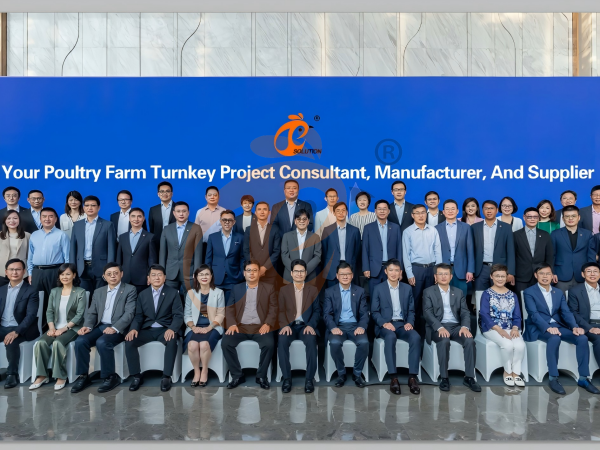
Hong Kong Headquarter Management Team
Hong Kong Headquarter Taiyu Industrial Group CO., LTD
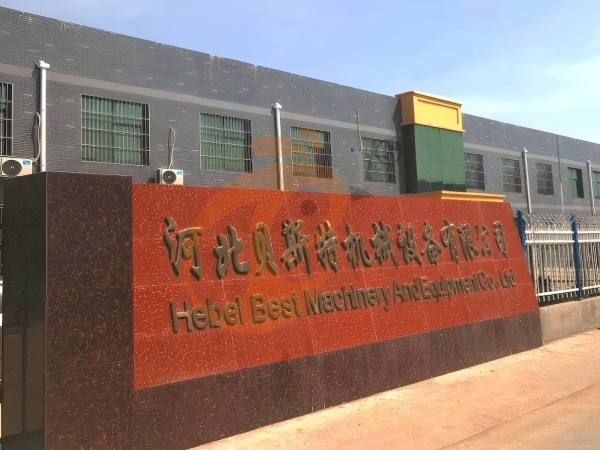
China Hebei Best Machinery And Equipment CO., LTD
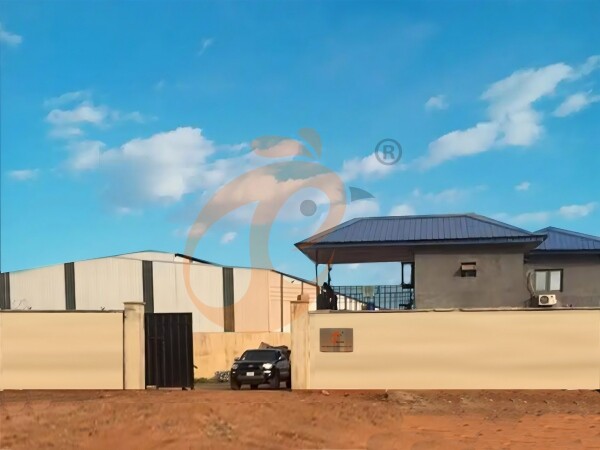
Nigeria Vanke Machinery And Equipment CO., LTD
Tanzania Best Machinery And Equipment CO., LTD
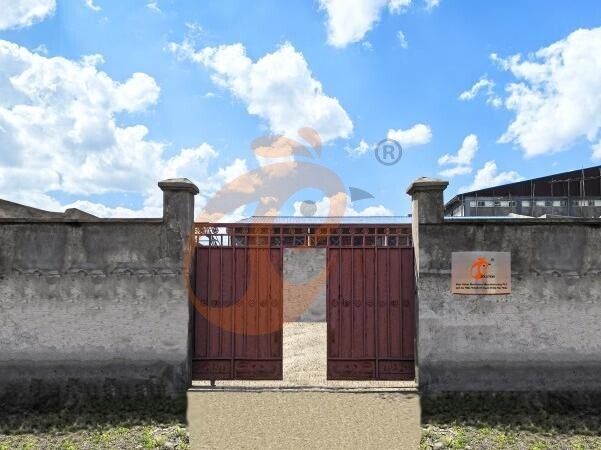
Ethiopia Best Hebei Machinery Manufacturing PLC




Reception /24 WhatsApp NO. : +8618830120193
MESSAGE
Products recommended
 HK Headquarter Offers EU-standard Poultry Farm Solutions, Manufacture Poultry Farm Equipment1. Continuous communication with the EU and the US
2. China, Nigeria, Ethiopia, Tanzania branch companies and factories
3. The products’ quality is customized for local poultry farms
4. Poultry cage and poultry farm equipment stock for sale
5. 24 online reception Whatsapp NO. : +8618830120193,contact us to get full informationRead More China Branch Offer Poultry Farm Business Plan, Manufacture Poultry Farm Equipment1. Address: Flat/RM 2416, 24/F, Runxing Building, Youyi Nan Street, Shijiazhuang City, Hebei Province, China
2. Poultry cage and poultry farm equipment factory and stock for sale
3. Customized for local poultry farms
4. Quality and design are based on Euro
5. 24 online reception Whatsapp NO. : +8618830120193Read More Nigeria Branch Offer Poultry Farm Business Plan, Manufacture Poultry Farm Equipment1. Address: After Sinoma Office, 200 Meters Near Danco Filling Station, Lagos/Ibadan Expressway, Lagos State, Nigeria
2. Poultry cage and poultry farm equipment factory and stock for sale
3. Customized for Nigerian poultry farms
4. Quality and design are based on Euro
5. 24 online reception Whatsapp NO. : +8618830120193Read More Ethiopia Branch Offer Poultry Farm Business Plan, Manufacture Poultry Farm Equipment1. Address: Gelan Gura, Akaki-kaliti Sub City, Addis Ababa, Ethiopia
2. Poultry cage and poultry farm equipment stock for sale
3. Customized for Ethiopian poultry farms
4. Quality and design are based on Euro
5. 24 online reception Whatsapp NO. : +8618830120193, contact us to get price listRead More Tanzania Branch Offer Poultry Farm Business Plan, Manufacture Poultry Farm Equipment1. Address: No.8, Sova Road, Msufini, Mlandizi, Kibaha, Pwani, Tanzania
2. Poultry cage and poultry farm equipment factory and stock for sale
3. Customized for Tanzanian poultry farms
4. Quality and design are based on Euro
5. 24 online reception Whatsapp NO. : +8618830120193Read More Automatic H Type Layer Battery Cage System1. 30,000-100,000+ layers/house chooses it
2. Structure type stacked 3-16 tiers range
3. Stocking density up to 17 birds/cage
4. Service life 25 years
5. Reception /WhatsApp NO. : +8618830120193Read More Automatic A Type Layer Battery Cage System1. 10,000-30,000+ layers/house chooses it
2. Lifespan 25+ years
3. Labor requirement 1 worker per 10,000 birds
4. Reduce disease rates by 15%-20%.
5. Reception /WhatsApp NO. : +8618830120193Read More Semi Automatic A Type Layer Battery Cage System1. 1,00-10,000+ layers/house chooses it
2. Egg breakage rate≤ 0.5%
3. Mesh spacing 2.5×2.5 cm
4. Egg collection floor slope 7–8°
5. Reception /WhatsApp NO. : +8618830120193Read More