Chicken house facilities comparison review provides structured engineering evaluation for modern poultry production systems.
Environmental control systems regulate temperature, humidity, and airflow, ensuring stable growth conditions across commercial poultry houses units.
Feeding and drinking systems directly influence feed conversion ratio, weight uniformity, and overall production efficiency in farms.
Ventilation design determines gas concentration control, ammonia reduction, and heat balance inside intensive rearing environments systems stability.
Automation integration improves monitoring response response speed, reduces labor dependency, and stabilizes operational consistency across large farms units.
Modern poultry house equipment systems and automatic chicken farm system adoption improves scalability, reduces risk, and enhances profitability.
Get professional poultry farm construction guidance, equipment selection solutions, and the latest price lists, whatsApp to +8618830120193, click to learn more.
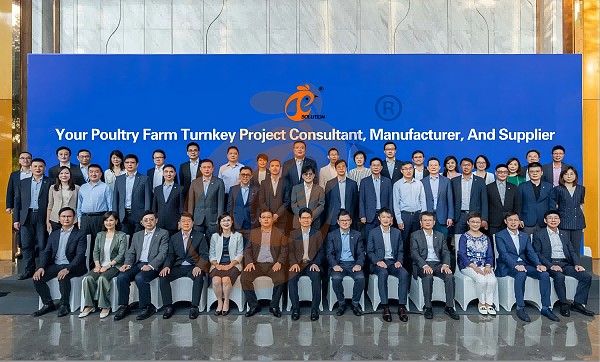
Overview Of Modern Chicken House Systems
A modern poultry facility operates as a fully coordinated biological and mechanical environment where multiple engineering subsystems interact continuously.
The design of poultry house equipment systems determines productivity stability, mortality control, and feed efficiency across production cycles.
Data is for reference only.Swipe horizontally to view full table.
Poultry Environmental Engineering Principles
A poultry house operates as a controlled biological reactor where metabolic heat, moisture, and gas emissions accumulate continuously.
Without precise engineering control, production stability decreases rapidly.
The chicken house facilities comparison review framework highlights how microclimate control defines flock performance.
Key environmental targets include
Temperature transition range 32°C to 21°C.
Humidity stability range 50%–70%.
Ammonia concentration limit ≤15 ppm.
Air velocity control 0.2–2.5 m/s.
These parameters are maintained through integrated poultry house equipment systems that synchronize ventilation, heating, and cooling functions.
Chicken House Plan Capacity Engineering Comparison
Different production scales require different structural and mechanical intensities.
System selection directly influences energy consumption and flock density.
Data is for reference only.Swipe horizontally to view full table.
Ventilation System Technical Comparison
Ventilation determines ammonia control efficiency, oxygen supply stability, and thermal stress reduction inside intensive poultry environments.
Modern automatic chicken farm system designs rely heavily on airflow precision.
Data is for reference only.Swipe horizontally to view full table.
Feeding System Precision Distribution Analysis
Feed delivery uniformity affects flock weight deviation and feed conversion ratio stability.
Automated poultry house equipment systems reduce human error in distribution cycles.
Data is for reference only.Swipe horizontally to view full table.
Drinking System Water Supply Engineering
Water supply stability directly influences digestion efficiency and immune response in poultry production systems.
The automatic chicken farm system integrates pressure regulation for consistent flow performance.
Data is for reference only.Swipe horizontally to view full table.
Cage And Floor System Production Efficiency Comparison
Structural housing type significantly affects density capacity, mortality rate, and feed efficiency.
The chicken house facilities comparison review highlights measurable differences between production systems.
Data is for reference only.Swipe horizontally to view full table.
Automation Control Performance Comparison
Automation level determines response speed, labor dependency, and environmental stability in poultry house equipment systems.
Data is for reference only.Swipe horizontally to view full table.
Investment Cost Structure Analysis
Cost distribution varies depending on system complexity and automation level.
All monetary values are expressed in usd, European union standard reference only.
Data is for reference only.Swipe horizontally to view full table.
Maintenance Cycle Engineering Performance
Maintenance scheduling determines long-term system stability and equipment lifespan in automatic chicken farm system environments.
Data is for reference only.Swipe horizontally to view full table.
Advanced Operational Optimization Guidelines For Poultry Facility Performance
Modern poultry production efficiency depends not only on equipment selection but also on fine-tuned operational parameter coordination across different subsystems.
Proper adjustment strategies improve stability and reduce hidden production losses in large-scale farms.
Key optimization controls:
- Air inlet opening ratio 18%–35% of total wall surface area for stable airflow balance.
- Static pressure range inside house 25–45 Pa for tunnel ventilation consistency.
- Feed particle size distribution 0.8–3.2 mm to support uniform digestion efficiency.
- Lighting intensity gradient 5–25 lux depending on growth stage regulation.
- Ammonia removal cycle timing every 6–9 hours in high-density production conditions.
System coordination logic:
- Ventilation adjustment must respond within 60 seconds to temperature deviation changes exceeding ±1.5°C.
- Feed line synchronization delay should remain below 8 seconds across full house length.
- Environmental sensor calibration interval recommended every 45–60 days to maintain data accuracy within ±3%.
Practical value for farm operators:
- Reduces uneven flock growth caused by microclimate fluctuations.
- Improves feed utilization stability without increasing total input cost.
Enhances long-term equipment lifespan through controlled operational stress distribution.
Frequently Asked Questions
Q1: What ventilation capacity is required for commercial poultry production systems?
A1: Most modern poultry houses operate within 2.5–6.5 cubic meters per hour per bird depending on climate conditions and stocking density requirements ensuring stable oxygen supply and ammonia control efficiency throughout production cycles.
Q2: How many feeding points are required in automated poultry systems?
A2: Pan feeding systems typically require 55–80 feeding points per 1000 birds to maintain uniform feed distribution and reduce weight variation across flocks during growth cycles in commercial farms.
Q3: What water pressure is suitable for nipple drinking systems?
A3: Stable nipple drinking systems operate within 0.02–0.05 mpa ensuring consistent water delivery without leakage while maintaining hygiene standards and reducing contamination risks in high density poultry environments.
Q4: What is the response time difference between manual and automated control systems?
A4: Manual systems respond within 300–600 seconds while fully automated systems respond within 5–30 seconds significantly improving environmental stability and reducing production risk in large scale poultry operations.
Taiyu (HK) Group - One Of China Largest Poultry Equipment Systems Supplier
Taiyu poultry equipment system manufacturing covers automatic feeding drinking ventilation integrated solutions for modern poultry farms.
Factory direct supply supports large scale poultry house construction projects with standardized engineering modules worldwide.
Turn key poultry equipment solutions include cage system climate control and automation integration for commercial farms.
Global distribution network ensures stable delivery of poultry house equipment systems and installation support services.
Engineering customization available for automatic chicken farm system projects with full technical design and commissioning support.
Contact Us To Received Your Customized Poultry Farm Plan
Headquarters And Branchs

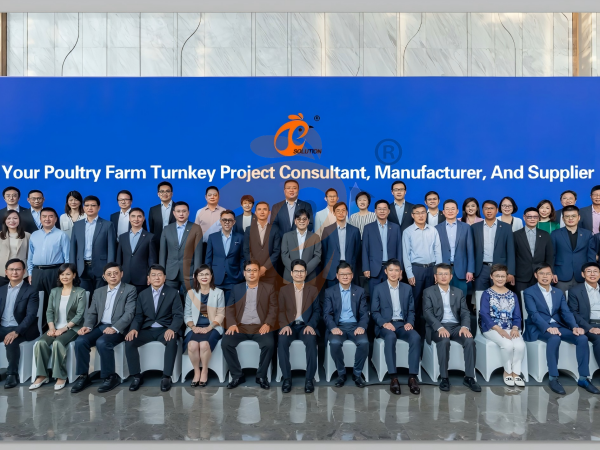
Hong Kong Headquarter Management Team
Hong Kong Headquarter Taiyu Industrial Group CO., LTD
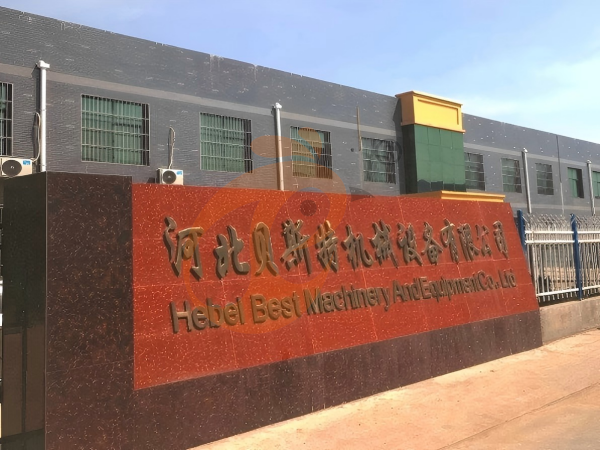
China Hebei Best Machinery And Equipment CO., LTD
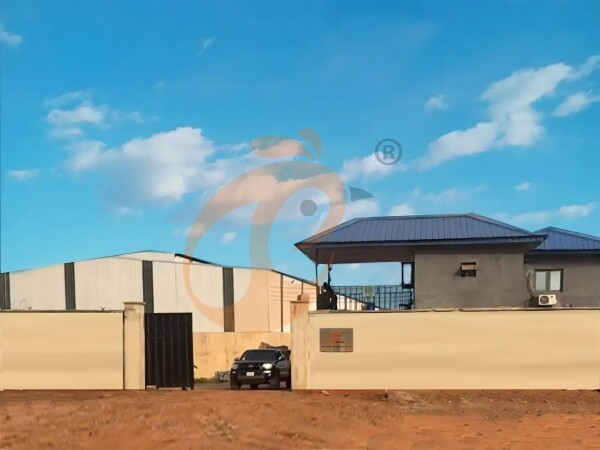
Nigeria Vanke Machinery And Equipment CO., LTD
Tanzania Best Machinery And Equipment CO., LTD
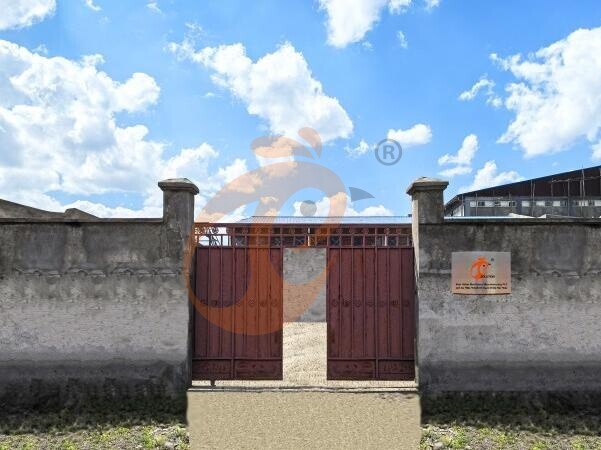
Ethiopia Best Hebei Machinery Manufacturing PLC
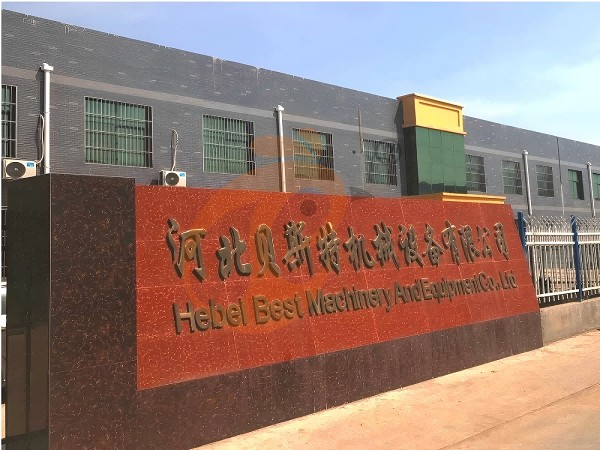
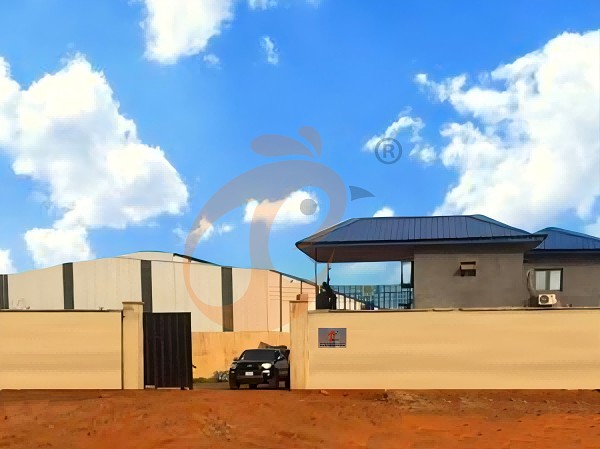
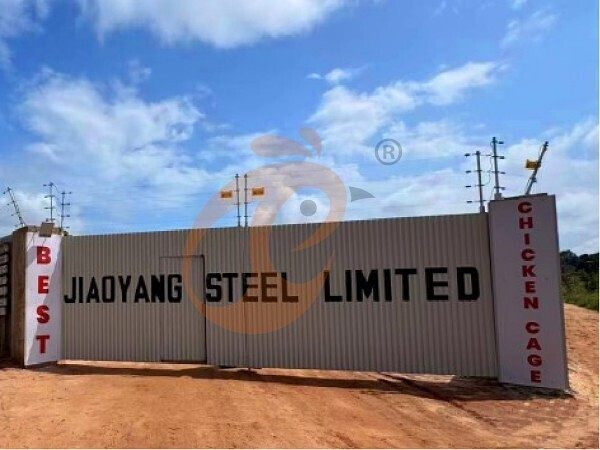
Reception /24 WhatsApp NO. : +8618830120193
MESSAGE
Products recommended
 HK Headquarter Offers EU-standard Poultry Farm Solutions, Manufacture Poultry Farm Equipment1. Continuous communication with the EU and the US
2. China, Nigeria, Ethiopia, Tanzania branch companies and factories
3. The products’ quality is customized for local poultry farms
4. Poultry cage and poultry farm equipment stock for sale
5. 24 online reception Whatsapp NO. : +8618830120193,contact us to get full informationRead More China Branch Offer Poultry Farm Business Plan, Manufacture Poultry Farm Equipment1. Address: Flat/RM 2416, 24/F, Runxing Building, Youyi Nan Street, Shijiazhuang City, Hebei Province, China
2. Poultry cage and poultry farm equipment factory and stock for sale
3. Customized for local poultry farms
4. Quality and design are based on Euro
5. 24 online reception Whatsapp NO. : +8618830120193Read More Nigeria Branch Offer Poultry Farm Business Plan, Manufacture Poultry Farm Equipment1. Address: After Sinoma Office, 200 Meters Near Danco Filling Station, Lagos/Ibadan Expressway, Lagos State, Nigeria
2. Poultry cage and poultry farm equipment factory and stock for sale
3. Customized for Nigerian poultry farms
4. Quality and design are based on Euro
5. 24 online reception Whatsapp NO. : +8618830120193Read More Ethiopia Branch Offer Poultry Farm Business Plan, Manufacture Poultry Farm Equipment1. Address: Gelan Gura, Akaki-kaliti Sub City, Addis Ababa, Ethiopia
2. Poultry cage and poultry farm equipment stock for sale
3. Customized for Ethiopian poultry farms
4. Quality and design are based on Euro
5. 24 online reception Whatsapp NO. : +8618830120193, contact us to get price listRead More Tanzania Branch Offer Poultry Farm Business Plan, Manufacture Poultry Farm Equipment1. Address: No.8, Sova Road, Msufini, Mlandizi, Kibaha, Pwani, Tanzania
2. Poultry cage and poultry farm equipment factory and stock for sale
3. Customized for Tanzanian poultry farms
4. Quality and design are based on Euro
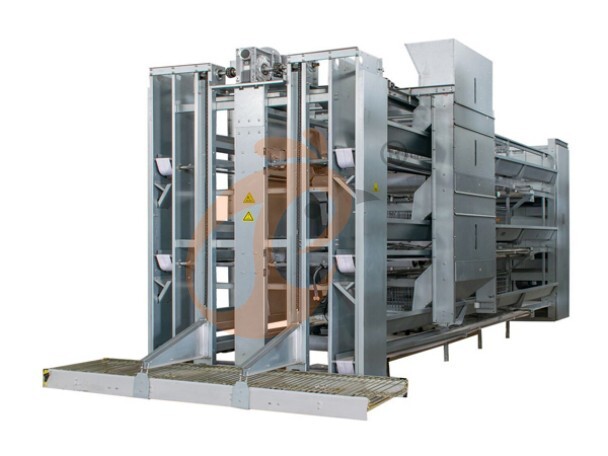
5. 24 online reception Whatsapp NO. : +8618830120193Read More Automatic H Type Layer Battery Cage System1. 30,000-100,000+ layers/house chooses it
2. Structure type stacked 3-16 tiers range
3. Stocking density up to 17 birds/cage
4. Service life 25 years
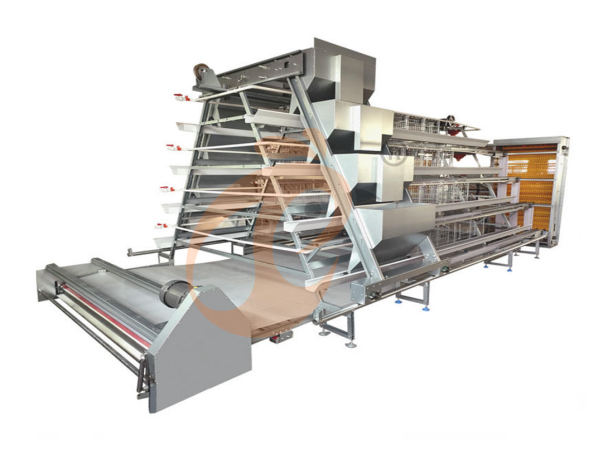
5. Reception /WhatsApp NO. : +8618830120193Read More Automatic A Type Layer Battery Cage System1. 10,000-30,000+ layers/house chooses it
2. Lifespan 25+ years
3. Labor requirement 1 worker per 10,000 birds
4. Reduce disease rates by 15%-20%.
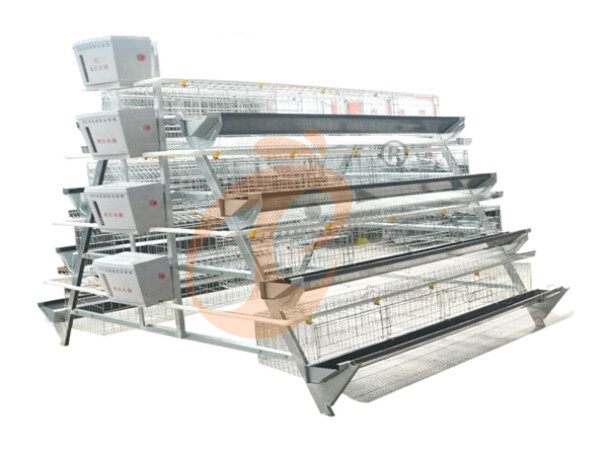
5. Reception /WhatsApp NO. : +8618830120193Read More Semi Automatic A Type Layer Battery Cage System1. 1,00-10,000+ layers/house chooses it
2. Egg breakage rate≤ 0.5%
3. Mesh spacing 2.5×2.5 cm
4. Egg collection floor slope 7–8°
5. Reception /WhatsApp NO. : +8618830120193Read More