Pellet Machine Upgrade Ethiopia is a structured engineering process aimed at improving production efficiency, electrical stability, and biomass processing performance in Ethiopian agro-industrial environments.
Explains six practical upgrade strategies covering die systems, roller assemblies, and compression optimization for local agricultural residues.
It also analyzes electrical instability challenges in Ethiopian industrial zones and provides stabilization solutions using industrial-grade control systems.
Additional focus is placed on feedstock moisture control, maintenance scheduling, and spare parts localization to improve long-term operational reliability and investment returns.
Get professional poultry farm construction guidance, equipment selection solutions, and the latest price lists, whatsApp to +8618830120193, click to learn more:

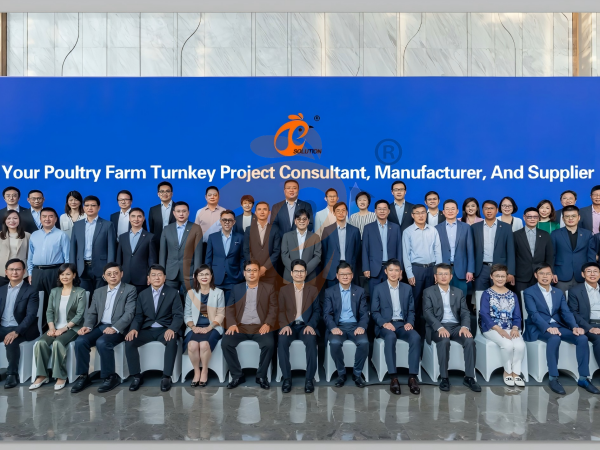
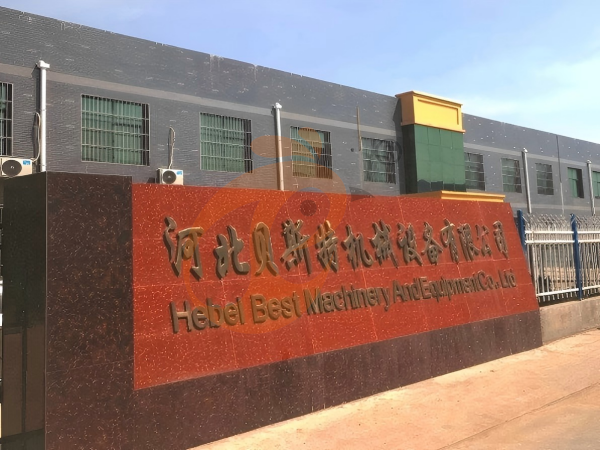
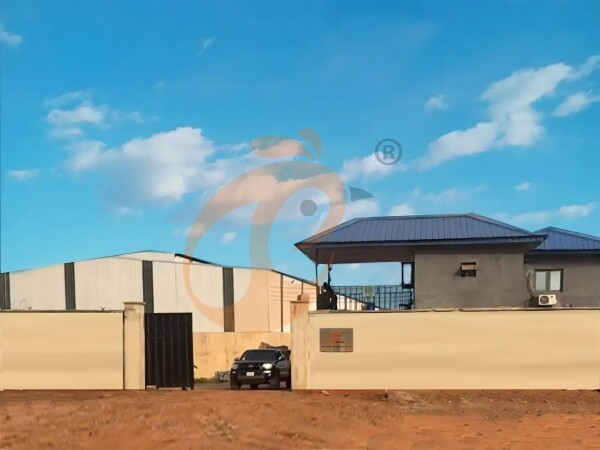
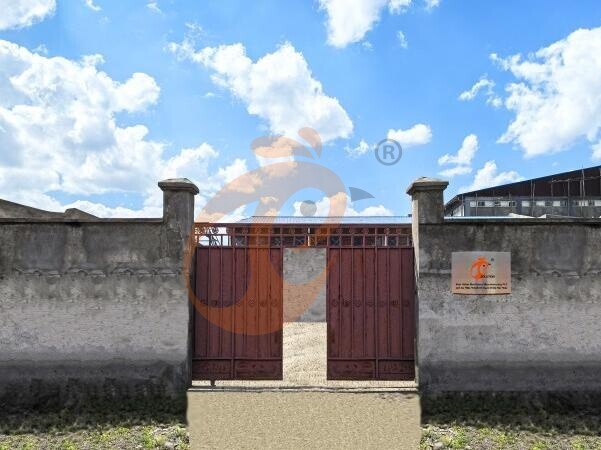
Ethiopia Branch Office And Factory Of Poultry Farm Equipment
Industrial Context Of Pellet Machine Systems In Ethiopia
Ethiopian pellet production is expanding in Oromia, Amhara, and Addis Ababa industrial belts due to rising demand for livestock feed and biomass fuel.
Most installed machines operate under non-standardized agricultural residue conditions, creating pressure on mechanical components and energy systems.
Data is for reference only.Swipe horizontally to view full table.
The most critical constraints are electrical instability and inconsistent biomass preparation.
Feedstock Variability And Ethiopia Biomass Conditions
Feedstock behavior in Ethiopia varies significantly by region, affecting pellet density and extrusion consistency.
Coffee-producing zones generate high-energy husks, while cereal regions produce fibrous residues requiring different compression settings.
Data is for reference only.Swipe horizontally to view full table.
Seasonal variation remains a major challenge for continuous pellet quality control.
Die And Roller System Upgrade Strategy
The die and roller system determines pellet compression stability.
Ethiopian biomass contains abrasive fibers that accelerate wear, requiring reinforced metallurgy and optimized compression geometry.
Data is for reference only.Swipe horizontally to view full table.
This upgrade improves pellet uniformity under Ethiopian high-silica biomass conditions.
Electrical Stability And Motor System Upgrade
Voltage fluctuation in Ethiopian industrial zones affects pellet machine torque consistency and motor lifespan.
Stabilized electrical systems reduce downtime and improve continuous production capability.
Data is for reference only.Swipe horizontally to view full table.
Energy efficiency improvements are significant in unstable grid environments.
Moisture Conditioning And Pre-Processing System
Moisture inconsistency is one of the most important operational barriers in Ethiopia pellet production.
Excess moisture causes clogging, while insufficient moisture reduces pellet binding strength.
Data is for reference only.Swipe horizontally to view full table.
Proper conditioning stabilizes lignin activation during compression.
Spare Parts Localization Strategy In Ethiopia
Import dependency creates long downtime cycles in Ethiopian pellet production systems.
Local machining and regional workshops reduce supply delays and operational interruptions.
Data is for reference only.Swipe horizontally to view full table.
This reduces downtime cost pressure in rural industrial zones.
Preventive Maintenance System Upgrade
Most pellet machine failures in Ethiopia are linked to irregular maintenance cycles.
Structured scheduling improves mechanical reliability and reduces emergency breakdowns.
Data is for reference only.Swipe horizontally to view full table.
Predictive maintenance improves system uptime consistency.
Production Capacity And Energy Efficiency Optimization
Upgrading pellet systems must balance output capacity with energy consumption per kilogram.
Ethiopian operators benefit most from efficiency-based scaling rather than maximum output expansion.
Data is for reference only.Swipe horizontally to view full table.
EU standard reference only: operational efficiency benchmarks used for comparison modeling.
System Integration Approach For Ethiopia Conditions
Pellet machine upgrades in Ethiopia require integrated system design rather than isolated component replacement.
Mechanical, electrical, and raw material systems must operate in synchronization to ensure stable pellet quality.
Data is for reference only.Swipe horizontally to view full table.
Integrated design improves long-term operational reliability.
Operational Decision Framework For Ethiopian Pellet Machine Investors
Upgrading pellet machines in Ethiopia is not only a technical task but also a structured investment decision.
Many failures occur due to unplanned upgrades or partial system improvements.
A layered decision framework improves capital efficiency and reduces operational risk.
Key decision logic
Feedstock stability first: maize stalk, coffee husk, wheat straw blending must be defined before machine modification.
Electrical reliability second: AVR + IE3 motor combination reduces unstable torque losses in Ethiopian grids.
Mechanical upgrade third: die and roller metallurgy must match local abrasive biomass conditions.
Maintenance discipline final: fixed interval servicing prevents 60–70% of unexpected downtime events.
Ensures each upgrade layer supports the next, rather than creating isolated improvements that fail under real Ethiopian operating conditions.
Economic Impact In Ethiopian Industrial Conditions
Pellet machine upgrades directly influence production economics in Ethiopia.
Reduced downtime and improved conversion efficiency increase profitability in livestock feed and biomass energy markets.
Data is for reference only.Swipe horizontally to view full table.
FAQ
Can Pellet Machines Be Used In Rural Ethiopia Without Stable Electricity?
Pellet machines can operate in rural Ethiopia, but voltage instability must be addressed.
Installing AVR stabilizers and IE3 motors reduces torque fluctuation during production.
Hybrid power systems combining grid and generator support improve continuity in off-grid areas.
Are Pellet Machines Suitable For Ethiopian Coffee And Maize Residues?
Yes, pellet machines are compatible with Ethiopian coffee husk and maize stalk biomass.
However, moisture conditioning systems are required to maintain consistent pellet density.
Adjusting compression ratio improves processing stability for fibrous agricultural residues.
What Is The Main Bottleneck For Pellet Machine Operation In Ethiopia?
The main bottlenecks are feedstock inconsistency and electrical instability in industrial zones.
These issues affect pellet density, machine lifespan, and overall production efficiency.
Integrated system upgrades solve both mechanical and energy-related constraints simultaneously.
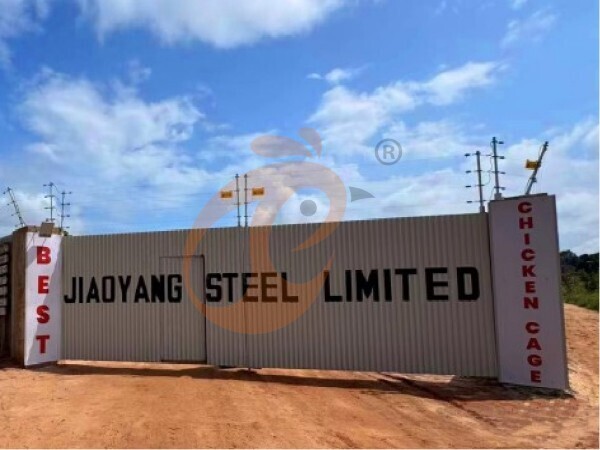
Ethiopia Best Hebei Machinery Manufacturing Plc - One Of Ethiopia Biggest Chicken Cage Manufacturer
Ethiopia Best Hebei Machinery Manufacturing Plc delivers global factory direct sales supporting poultry farm equipment expansion across African agricultural sectors.
The company provides integrated poultry cage systems combined with pellet machine support and turnkey engineering solutions for large-scale farms.
Its manufacturing capability ensures stable supply chains for chicken cage structures adapted to Ethiopian environmental and operational conditions.
Turn-key engineering service includes planning, installation, and full poultry farm equipment deployment with standardized industrial configuration.
Global factory direct supply model ensures cost efficiency, technical reliability, and long-term poultry cage system performance for Ethiopian investors.
Contact Us To Received Your Customized Poultry Farm Plan
Headquarters And Branchs

Hong Kong Headquarter Management Team
Hong Kong Headquarter Taiyu Industrial Group CO., LTD
China Hebei Best Machinery And Equipment CO., LTD
Nigeria Vanke Machinery And Equipment CO., LTD
Tanzania Best Machinery And Equipment CO., LTD
Ethiopia Best Hebei Machinery Manufacturing PLC
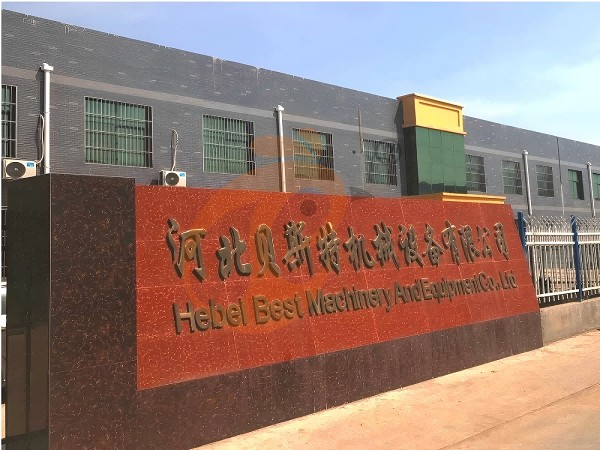
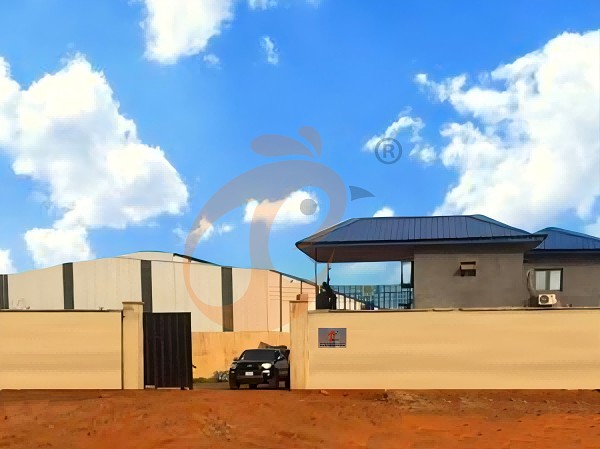
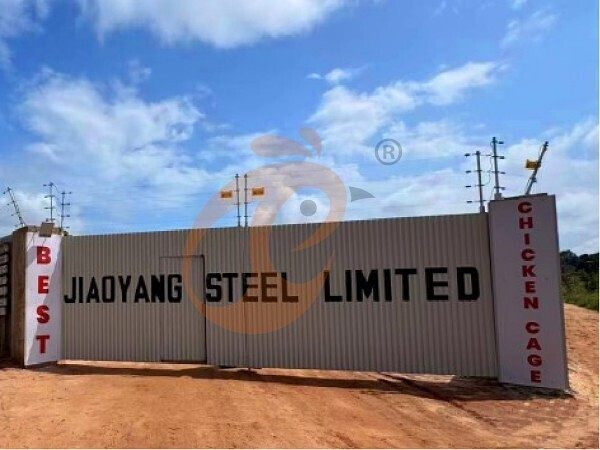
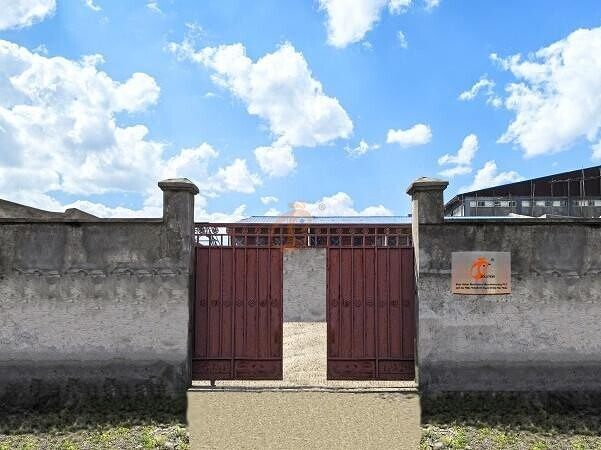
Reception /24 WhatsApp NO. : +8618830120193
MESSAGE
Products recommended
 HK Headquarter Offers EU-standard Poultry Farm Solutions, Manufacture Poultry Farm Equipment1. Continuous communication with the EU and the US
2. China, Nigeria, Ethiopia, Tanzania branch companies and factories
3. The products’ quality is customized for local poultry farms
4. Poultry cage and poultry farm equipment stock for sale
5. 24 online reception Whatsapp NO. : +8618830120193,contact us to get full informationRead More China Branch Offer Poultry Farm Business Plan, Manufacture Poultry Farm Equipment1. Address: Flat/RM 2416, 24/F, Runxing Building, Youyi Nan Street, Shijiazhuang City, Hebei Province, China
2. Poultry cage and poultry farm equipment factory and stock for sale
3. Customized for local poultry farms
4. Quality and design are based on Euro
5. 24 online reception Whatsapp NO. : +8618830120193Read More Nigeria Branch Offer Poultry Farm Business Plan, Manufacture Poultry Farm Equipment1. Address: After Sinoma Office, 200 Meters Near Danco Filling Station, Lagos/Ibadan Expressway, Lagos State, Nigeria
2. Poultry cage and poultry farm equipment factory and stock for sale
3. Customized for Nigerian poultry farms
4. Quality and design are based on Euro
5. 24 online reception Whatsapp NO. : +8618830120193Read More Ethiopia Branch Offer Poultry Farm Business Plan, Manufacture Poultry Farm Equipment1. Address: Gelan Gura, Akaki-kaliti Sub City, Addis Ababa, Ethiopia
2. Poultry cage and poultry farm equipment stock for sale
3. Customized for Ethiopian poultry farms
4. Quality and design are based on Euro
5. 24 online reception Whatsapp NO. : +8618830120193, contact us to get price listRead More Tanzania Branch Offer Poultry Farm Business Plan, Manufacture Poultry Farm Equipment1. Address: No.8, Sova Road, Msufini, Mlandizi, Kibaha, Pwani, Tanzania
2. Poultry cage and poultry farm equipment factory and stock for sale
3. Customized for Tanzanian poultry farms
4. Quality and design are based on Euro
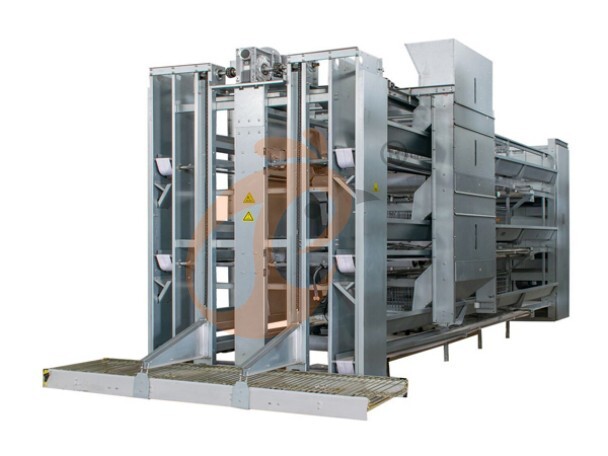
5. 24 online reception Whatsapp NO. : +8618830120193Read More Automatic H Type Layer Battery Cage System1. 30,000-100,000+ layers/house chooses it
2. Structure type stacked 3-16 tiers range
3. Stocking density up to 17 birds/cage
4. Service life 25 years
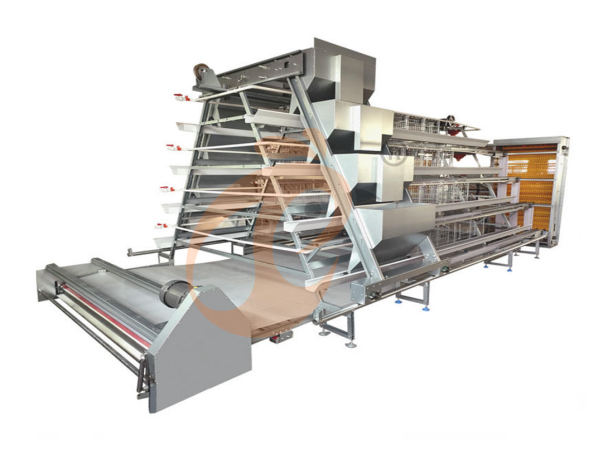
5. Reception /WhatsApp NO. : +8618830120193Read More Automatic A Type Layer Battery Cage System1. 10,000-30,000+ layers/house chooses it
2. Lifespan 25+ years
3. Labor requirement 1 worker per 10,000 birds
4. Reduce disease rates by 15%-20%.
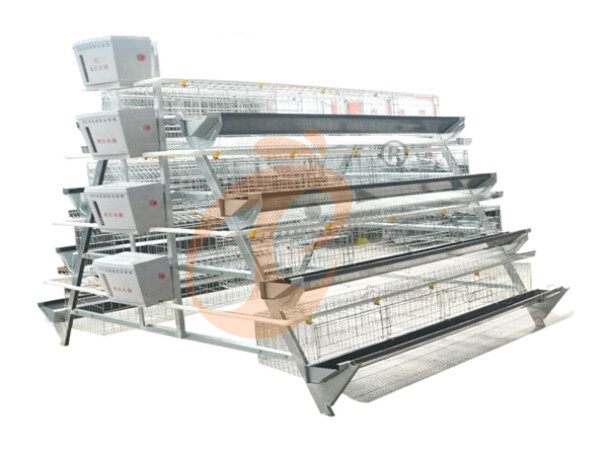
5. Reception /WhatsApp NO. : +8618830120193Read More Semi Automatic A Type Layer Battery Cage System1. 1,00-10,000+ layers/house chooses it
2. Egg breakage rate≤ 0.5%
3. Mesh spacing 2.5×2.5 cm
4. Egg collection floor slope 7–8°
5. Reception /WhatsApp NO. : +8618830120193Read More