Biomass pellet machine adoption in Ethiopia supports renewable energy and rural industrialization through safer processing of agricultural residues.
Pellet machine safety becomes a critical factor in choosing hydraulic or mechanical systems for industrial operators.
Hydraulic pellet machine technology improves operational stability and enhances maintenance efficiency in industrial production lines.
This article evaluates safety performance, mechanical stress behavior, thermal dynamics, dust exposure index, economic downtime risk, and operator ergonomics in Ethiopian biomass pellet machine environments under real industrial constraints.
Get professional poultry farm construction guidance, equipment selection solutions, and the latest price lists, whatsApp to +8618830120193, click to learn more.

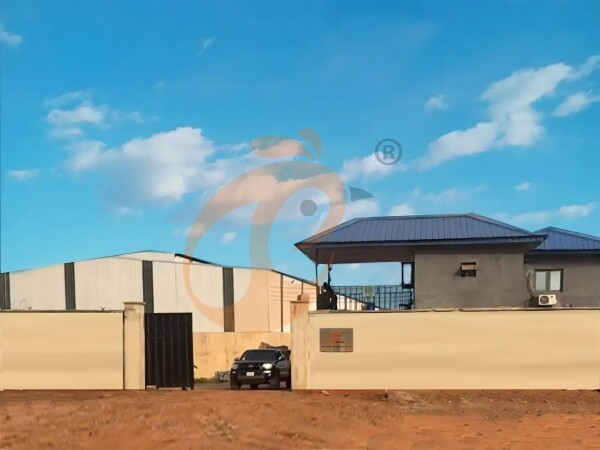
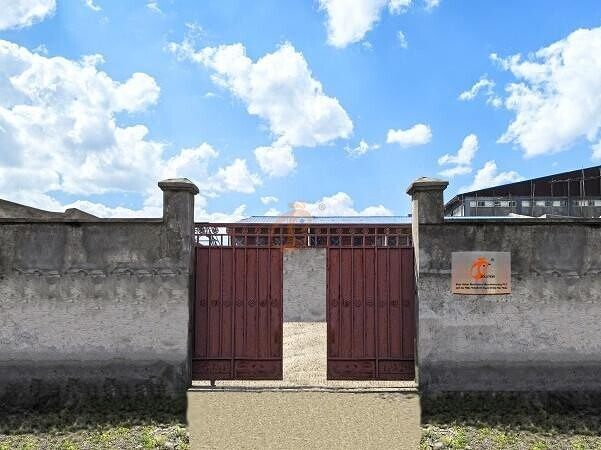
Ethiopia Branch Office And Factory Of Poultry Farm Equipment
Power Grid And Operational Reliability
Industrial machinery in Ethiopia must tolerate unstable grid frequency behavior across different operating zones.
biomass pellet machine systems therefore require adaptive load response capability during sudden power interruptions.
Mechanical systems store rotational inertia which increases shutdown complexity during emergency conditions.
Hydraulic systems eliminate most stored kinetic energy through pressure release mechanisms, improving operational safety response.
Electrical And Power Integration Parameters
Data is for reference only. Swipe horizontally to view full table.
Die And Roller Structural Behavior
Biomass variability in Ethiopian feedstock causes inconsistent compression resistance during pellet formation.
Mechanical transmission systems create localized stress concentration under impurity intrusion conditions.
Hydraulic force application distributes load more evenly across compression surfaces.
This improves structural stability of biomass pellet machine components under mixed raw material conditions.
Component Stress And Material Durability
Data is for reference only. Swipe horizontally to view full table.
Thermal Management In High Altitude Operations
High altitude conditions reduce cooling efficiency due to lower air density levels.
Mechanical systems generate higher internal heat accumulation during continuous operation cycles.
Hydraulic systems use external cooling circulation to maintain controlled thermal balance.
This improves pellet machine safety during long duration industrial operation.
Thermal Conductivity And Cooling Specifications
Data is for reference only. Swipe horizontally to view full table.
European union standard reference only
Dust Exposure And Air Quality Control
Biomass processing environments in Ethiopia often exceed safe particulate concentration levels without filtration systems.
Mechanical vibration systems increase airborne dust suspension during continuous production cycles.
Hydraulic systems reduce structural vibration transmission, improving particulate stability in enclosed workshops.
This enhances occupational safety in biomass pellet machine facilities.
Air Quality And Particulate Metrics
Data is for reference only. Swipe horizontally to view full table.
Maintenance Safety And Skill Requirements
Mechanical systems require strict alignment tolerance during assembly and servicing procedures.
Hydraulic systems rely on modular replacement design reducing mechanical calibration dependency.
This improves operational continuity in biomass pellet machine deployment environments.
Maintenance Risk Assessment
Data is for reference only. Swipe horizontally to view full table.
Economic Safety And Spare Part Availability
Downtime cost in Ethiopian pellet facilities varies depending on production scale and capacity utilization.
Hydraulic systems benefit from higher part standardization in local industrial markets.
Mechanical systems often require extended procurement cycles due to limited local compatibility.
This affects biomass pellet machine operational continuity and financial stability.
Spare Part Availability And Lead Times
Data is for reference only. Swipe horizontally to view full table.
Ergonomics And Operator Fatigue
Mechanical systems generate higher vibration exposure affecting long term operator comfort.
Hydraulic systems provide smoother transmission reducing physical strain during operation cycles.
This improves workforce stability in biomass pellet machine production environments.
Ergonomic Impact Data
Data is for reference only. Swipe horizontally to view full table.
Frequently Asked Questions
Q1: Are hydraulic pellet machines suitable for Ethiopia power conditions?
A1: Hydraulic systems tolerate wider voltage variation ranges.
This improves stability under rural grid fluctuation conditions.
It enhances biomass pellet machine operational reliability in unstable environments.
Q2: Can mechanical systems handle Ethiopian agricultural raw materials?
A2: Mechanical systems can process dried agricultural biomass materials.
Foreign particles increase mechanical wear risk during operation cycles.
Preprocessing reduces breakdown probability in biomass pellet machine systems.
Q3: Which system reduces long term operational risk?
A3: Hydraulic systems reduce vibration transmission and thermal accumulation.
This improves lifecycle stability in industrial production environments.
Overall pellet machine safety advantage remains higher in hydraulic systems.
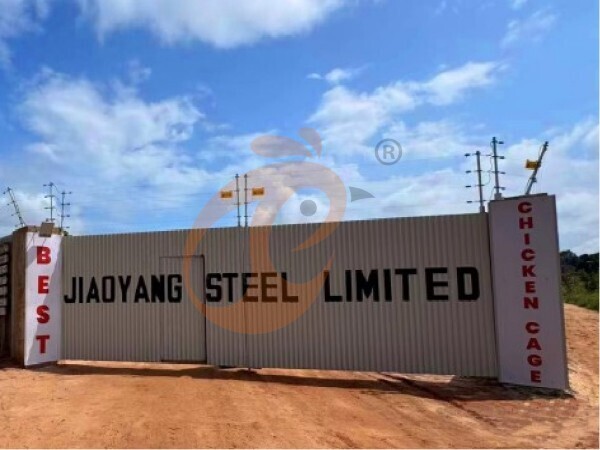
Ethiopia Best Hebei Machinery Manufacturing Plc - One Of Ethiopia Biggest Chicken Cage Manufacturer
Global factory direct sales production system supports large scale agricultural industrialization across African markets.
Poultry farm equipment solutions provide integrated systems for commercial livestock production environments.
Poultry cage manufacturing ensures standardized structural strength and corrosion resistance for long term use.
Turn key engineering services include design, installation, commissioning, and operator training for full farm projects.
Advanced manufacturing capability supports global factory direct sales, poultry farm equipment, poultry cage systems, and turnkey engineering delivery solutions.
Contact Us To Received Your Customized Poultry Farm Plan
Headquarters And Branchs
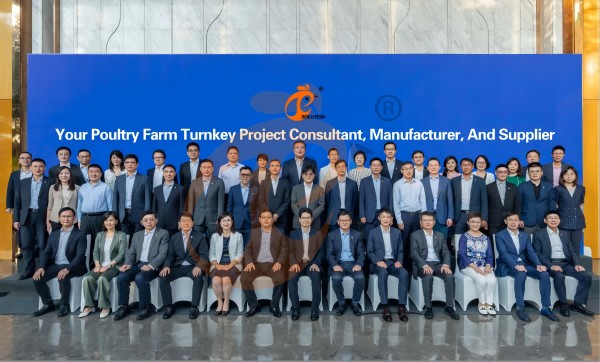
Hong Kong Headquarter Management Team
Hong Kong Headquarter Taiyu Industrial Group CO., LTD
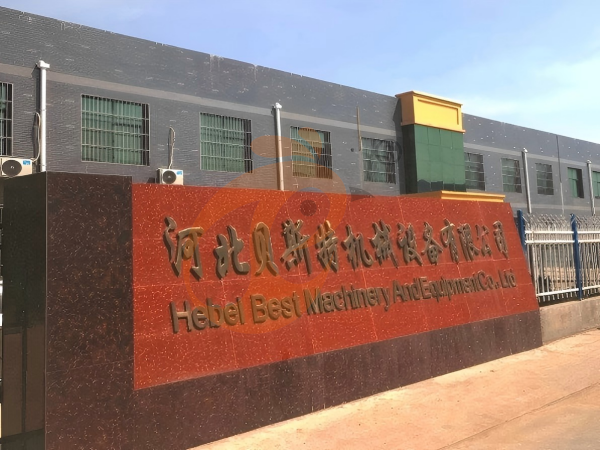
China Hebei Best Machinery And Equipment CO., LTD
Nigeria Vanke Machinery And Equipment CO., LTD
Tanzania Best Machinery And Equipment CO., LTD
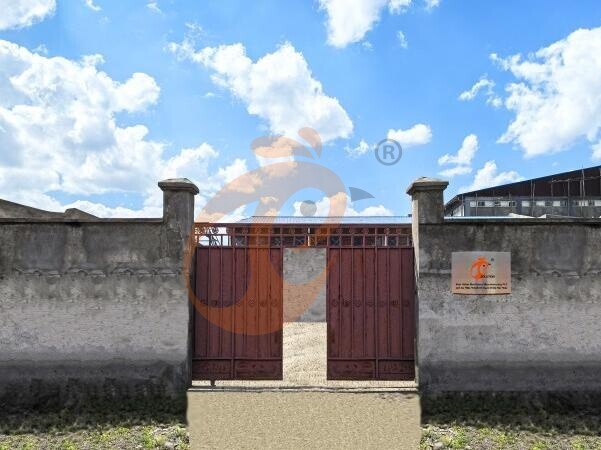
Ethiopia Best Hebei Machinery Manufacturing PLC
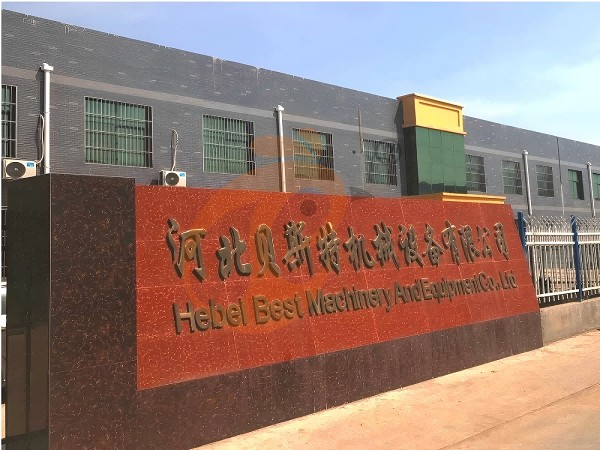
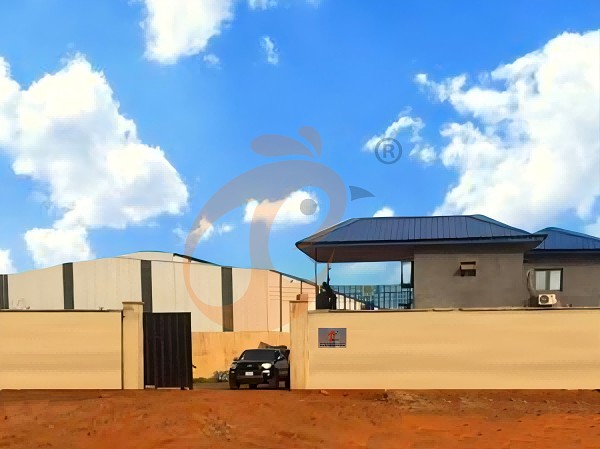
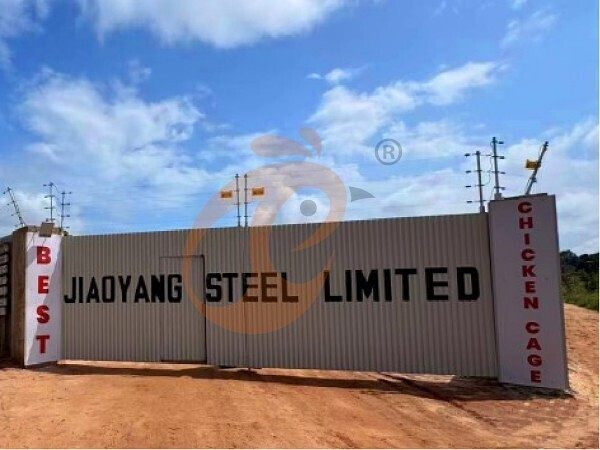
Reception /24 WhatsApp NO. : +8618830120193
MESSAGE
Products recommended
 HK Headquarter Offers EU-standard Poultry Farm Solutions, Manufacture Poultry Farm Equipment1. Continuous communication with the EU and the US
2. China, Nigeria, Ethiopia, Tanzania branch companies and factories
3. The products’ quality is customized for local poultry farms
4. Poultry cage and poultry farm equipment stock for sale
5. 24 online reception Whatsapp NO. : +8618830120193,contact us to get full informationRead More China Branch Offer Poultry Farm Business Plan, Manufacture Poultry Farm Equipment1. Address: Flat/RM 2416, 24/F, Runxing Building, Youyi Nan Street, Shijiazhuang City, Hebei Province, China
2. Poultry cage and poultry farm equipment factory and stock for sale
3. Customized for local poultry farms
4. Quality and design are based on Euro
5. 24 online reception Whatsapp NO. : +8618830120193Read More Nigeria Branch Offer Poultry Farm Business Plan, Manufacture Poultry Farm Equipment1. Address: After Sinoma Office, 200 Meters Near Danco Filling Station, Lagos/Ibadan Expressway, Lagos State, Nigeria
2. Poultry cage and poultry farm equipment factory and stock for sale
3. Customized for Nigerian poultry farms
4. Quality and design are based on Euro
5. 24 online reception Whatsapp NO. : +8618830120193Read More Ethiopia Branch Offer Poultry Farm Business Plan, Manufacture Poultry Farm Equipment1. Address: Gelan Gura, Akaki-kaliti Sub City, Addis Ababa, Ethiopia
2. Poultry cage and poultry farm equipment stock for sale
3. Customized for Ethiopian poultry farms
4. Quality and design are based on Euro
5. 24 online reception Whatsapp NO. : +8618830120193, contact us to get price listRead More Tanzania Branch Offer Poultry Farm Business Plan, Manufacture Poultry Farm Equipment1. Address: No.8, Sova Road, Msufini, Mlandizi, Kibaha, Pwani, Tanzania
2. Poultry cage and poultry farm equipment factory and stock for sale
3. Customized for Tanzanian poultry farms
4. Quality and design are based on Euro
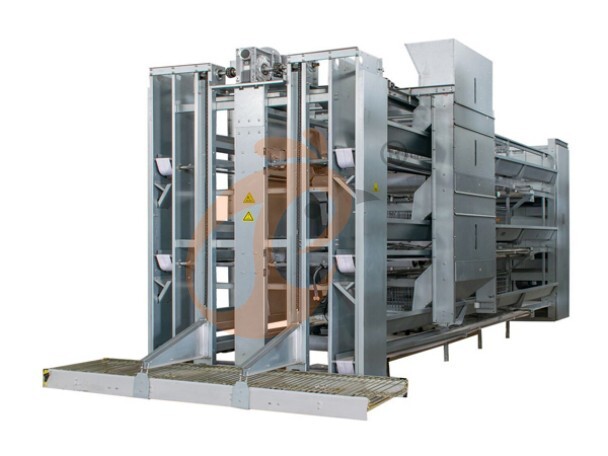
5. 24 online reception Whatsapp NO. : +8618830120193Read More Automatic H Type Layer Battery Cage System1. 30,000-100,000+ layers/house chooses it
2. Structure type stacked 3-16 tiers range
3. Stocking density up to 17 birds/cage
4. Service life 25 years
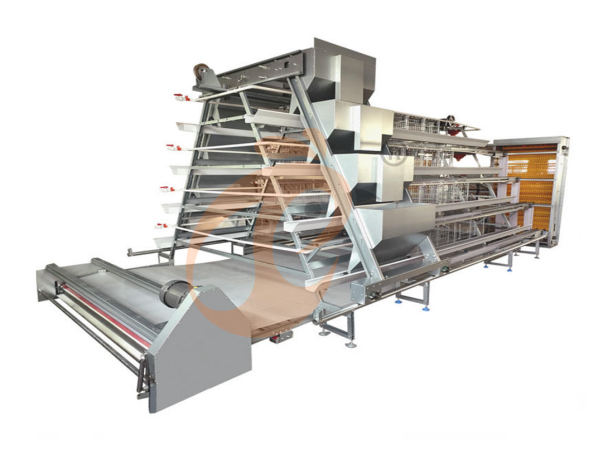
5. Reception /WhatsApp NO. : +8618830120193Read More Automatic A Type Layer Battery Cage System1. 10,000-30,000+ layers/house chooses it
2. Lifespan 25+ years
3. Labor requirement 1 worker per 10,000 birds
4. Reduce disease rates by 15%-20%.
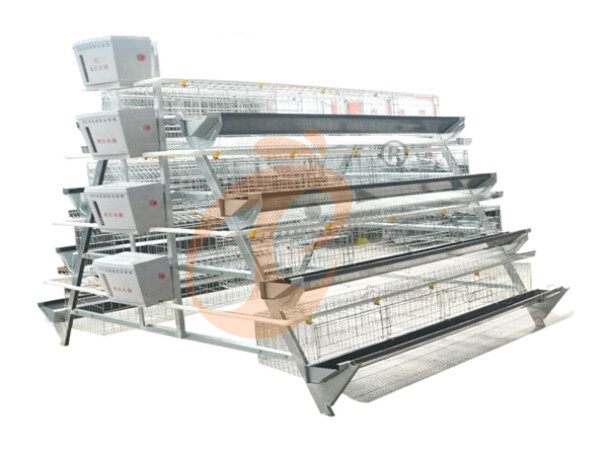
5. Reception /WhatsApp NO. : +8618830120193Read More Semi Automatic A Type Layer Battery Cage System1. 1,00-10,000+ layers/house chooses it
2. Egg breakage rate≤ 0.5%
3. Mesh spacing 2.5×2.5 cm
4. Egg collection floor slope 7–8°
5. Reception /WhatsApp NO. : +8618830120193Read More