Ethiopian poultry feed pellets address critical local production challenges, including feed waste and high input costs.
Farmers in highland areas like Amhara face seasonal moisture fluctuations affecting feed storage and quality.
Steam conditioning and die selection need adaptation to Ethiopian altitude and ingredient properties.
Noug cake feed nutrition requires balancing with local protein sources for consistent bird growth.
Efficient cooling and dust control are essential to prevent mold and aflatoxin contamination.
Investment in pellet machines improves feed conversion ratio (FCR) and reduces long term operational costs.
Local substitutes like enset or brewery grains enhance feed variety and sustainability.
The guide integrates solutions specific to Ethiopian farm conditions and market realities.
Get professional poultry farm construction guidance, equipment selection solutions, and the latest price lists, whatsApp to +8618830120193, click to learn more.

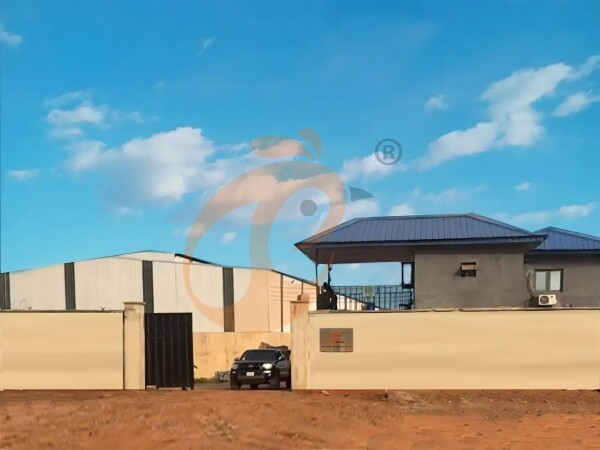
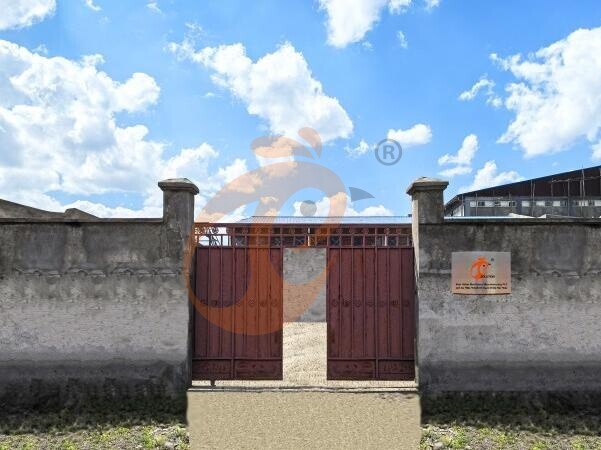
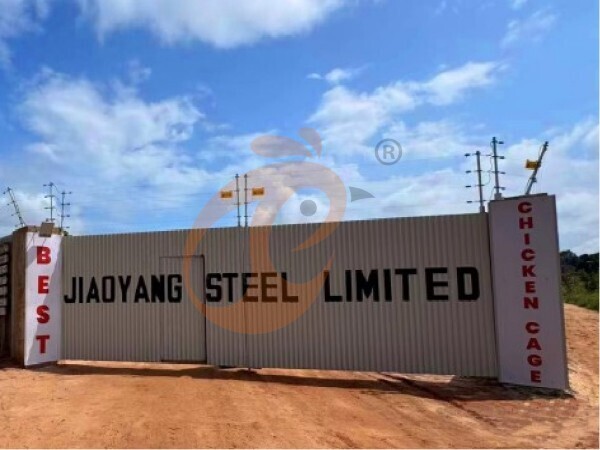
Ethiopia Branch Office And Factory Of Poultry Farm Equipment
Optimize Ingredient Grinding For Local Raw Materials
In Ethiopia, maize, wheat bran, and noug cake are core feed ingredients.
However, uneven grinding is a major problem, especially during the Kiremt (rainy) season when moisture content rises.
Too coarse particles produce brittle pellets that crumble in transport.
Too fine particles increase hammer mill energy consumption, raising operational costs in birr.
Farmers should adjust hammer mill screens according to seasonal moisture to maintain pellet integrity and reduce energy waste.
Data is for reference only. Swipe horizontally to view full table.
Steam Conditioning And Moisture Management
Ethiopian high altitude farms face unique challenges water boils at a lower temperature, and steam equipment is often inconsistent.
Conditioning improves starch gelatinization, which strengthens pellets.
Insufficient water leads to dusty, rejected feed.
Excess water blocks the die, causing downtime and labor costs.
Small scale farmers can manually add water while monitoring mash temperature to achieve optimal pellet quality for local chicken cages.
Data is for reference only. Swipe horizontally to view full table.
Selecting The Correct Die Compression Ratio
Imported dies often suit European corn-soy diets but fail with Ethiopian high fiber feeds like wheat middlings and teff husks.
High fiber diets require lower compression ratios to avoid overheating.
High energy starter feeds need higher compression ratios for durability, particularly during long transport to rural farms.
Matching die selection to poultry stage ensures pellets remain intact, improving feed efficiency and reducing waste.
Data is for reference only. Swipe horizontally to view full table.
Balancing Protein And Fiber With Noug Cake Feed Nutrition
Noug cake is abundant and affordable but high in fiber and residual oil.
Excess oil reduces die pressure, causing soft pellets and feed fines.
Combining Noug cake with soybean meal or synthetic amino acids improves pellet durability and ensures birds receive intended nutrients.
This balance helps farmers achieve higher weight gain and lower feed conversion ratios while maintaining cost effectiveness in birr.
Data is for reference only. Swipe horizontally to view full table.
Cooling And Dust Control For Ethiopian Conditions
Warm pellets bagged immediately can condense overnight due to highland temperature swings, promoting Aspergillus and aflatoxin growth.
Counter flow coolers reduce exit temperature to 3°C–5°C above ambient.
Proper cooling ensures safety for local consumption and compliance for potential exports.
Implementing this prevents feed losses and maintains feed quality in chicken cages.
Data is for reference only. Swipe horizontally to view full table.
Cost And Logistics Considerations
Pellet machines are capital intensive in Ethiopian birr but improve FCR and reduce feed waste, paying back within 12–18 months.
Pellets have higher bulk density, reducing transport costs over mountainous routes.
Compressing local by-products like enset or brewery grains increases feed efficiency and farm sustainability.
(European union standard reference only)
Data is for reference only. Swipe horizontally to view full table.
Power Supply And Maintenance Solutions
Frequent grid outages interrupt pelleting.
Dual drive (Diesel/Electric) machines provide continuity.
High silica local grains accelerate roller and die wear.
Scheduled inspection and lubrication extend machine lifespan.
These measures reduce downtime and ensure consistent feed for chicken cages.
Data is for reference only. Swipe horizontally to view full table.
Customizing Formulations For Local Breeds
Local sasso and bovans brown strains have unique nutritional needs in Ethiopian climates.
Pellets allow inclusion of enset corm, brewery waste, and other by products.
Compression prevents birds from sorting feed and ensures uniform nutrient intake, improving flock performance and FCR.
Data is for reference only. Swipe horizontally to view full table.
Frequently Asked Questions
Q1: Is this pellet machine suitable for Ethiopian chicken cages?
A1: Yes. It produces pellets that fit local chicken cage feeding systems.
Birds consume nutrients efficiently and feed wastage decreases.
Q2: How can farmers balance noug cake feed nutrition in Ethiopia?
A2: Mix noug cake with soybean meal or amino acids and adjust conditioning temperature.
This keeps pellets firm and ensures growth targets are met economically.
Q3: What is the best way to manage power outages in Ethiopian farms?
A3: Install dual drive machines and follow scheduled maintenance to prevent die blockage.
This ensures continuous feed production even in remote highland farms.
Ethiopia Best Hebei Machinery Manufacturing Plc - One Of Ethiopia Largest Chicken Cage Manufacturer
HB best provides global factory direct sales for poultry farm equipment and chicken cage systems.
Turn key engineering solutions are offered for poultry farms in Ethiopia and neighboring regions.
Professional installation ensures efficient operation of all poultry cages and machines.
On site training helps farm staff maximize equipment performance and flock productivity.
HB best guarantees reliable service, durability, and long term technical support.
Contact Us To Received Your Customized Poultry Farm Plan
Headquarters And Branchs

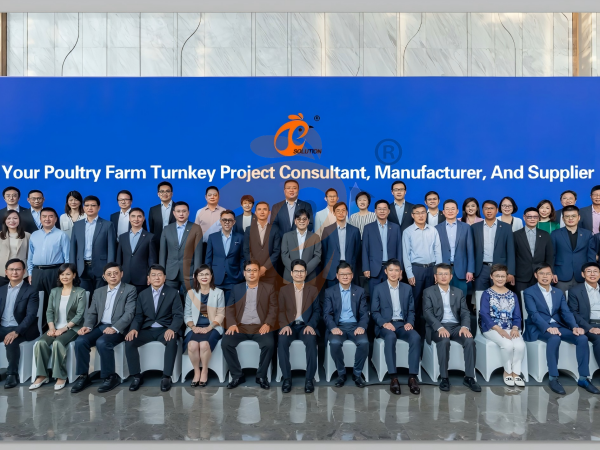
Hong Kong Headquarter Management Team
Hong Kong Headquarter Taiyu Industrial Group CO., LTD
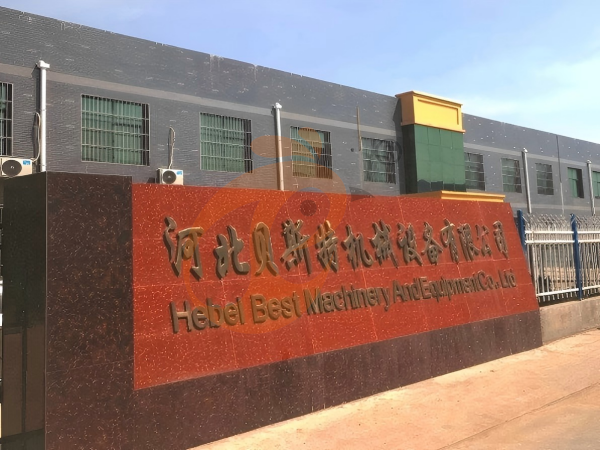
China Hebei Best Machinery And Equipment CO., LTD
Nigeria Vanke Machinery And Equipment CO., LTD
Tanzania Best Machinery And Equipment CO., LTD
Ethiopia Best Hebei Machinery Manufacturing PLC
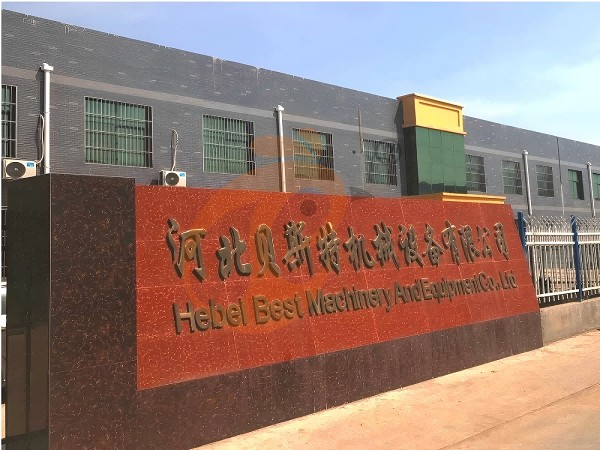
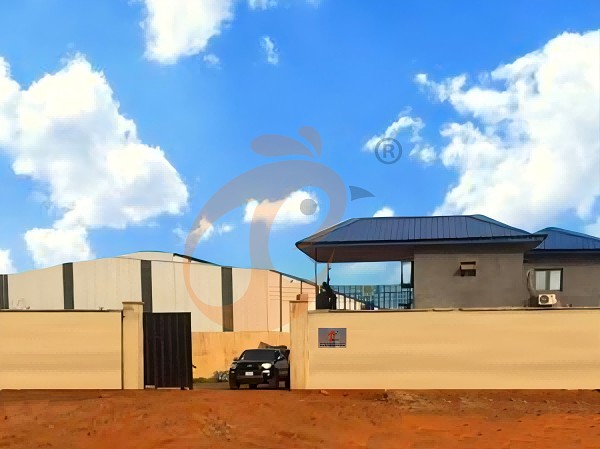
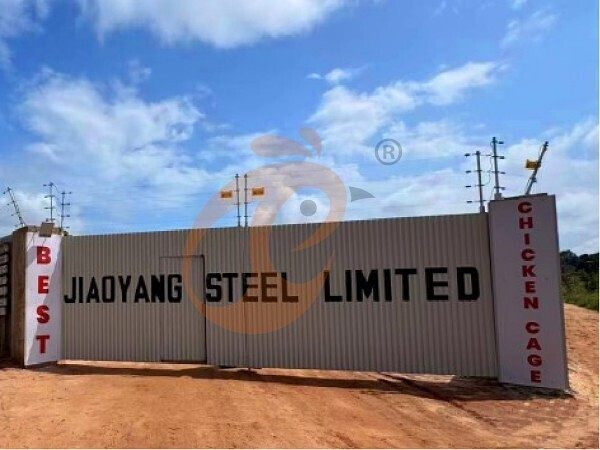
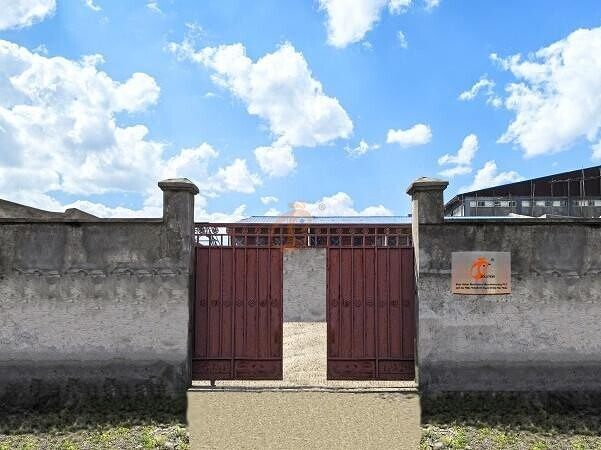
Reception /24 WhatsApp NO. : +8618830120193
MESSAGE
Products recommended
 HK Headquarter Offers EU-standard Poultry Farm Solutions, Manufacture Poultry Farm Equipment1. Continuous communication with the EU and the US
2. China, Nigeria, Ethiopia, Tanzania branch companies and factories
3. The products’ quality is customized for local poultry farms
4. Poultry cage and poultry farm equipment stock for sale
5. 24 online reception Whatsapp NO. : +8618830120193,contact us to get full informationRead More China Branch Offer Poultry Farm Business Plan, Manufacture Poultry Farm Equipment1. Address: Flat/RM 2416, 24/F, Runxing Building, Youyi Nan Street, Shijiazhuang City, Hebei Province, China
2. Poultry cage and poultry farm equipment factory and stock for sale
3. Customized for local poultry farms
4. Quality and design are based on Euro
5. 24 online reception Whatsapp NO. : +8618830120193Read More Nigeria Branch Offer Poultry Farm Business Plan, Manufacture Poultry Farm Equipment1. Address: After Sinoma Office, 200 Meters Near Danco Filling Station, Lagos/Ibadan Expressway, Lagos State, Nigeria
2. Poultry cage and poultry farm equipment factory and stock for sale
3. Customized for Nigerian poultry farms
4. Quality and design are based on Euro
5. 24 online reception Whatsapp NO. : +8618830120193Read More Ethiopia Branch Offer Poultry Farm Business Plan, Manufacture Poultry Farm Equipment1. Address: Gelan Gura, Akaki-kaliti Sub City, Addis Ababa, Ethiopia
2. Poultry cage and poultry farm equipment stock for sale
3. Customized for Ethiopian poultry farms
4. Quality and design are based on Euro
5. 24 online reception Whatsapp NO. : +8618830120193, contact us to get price listRead More Tanzania Branch Offer Poultry Farm Business Plan, Manufacture Poultry Farm Equipment1. Address: No.8, Sova Road, Msufini, Mlandizi, Kibaha, Pwani, Tanzania
2. Poultry cage and poultry farm equipment factory and stock for sale
3. Customized for Tanzanian poultry farms
4. Quality and design are based on Euro
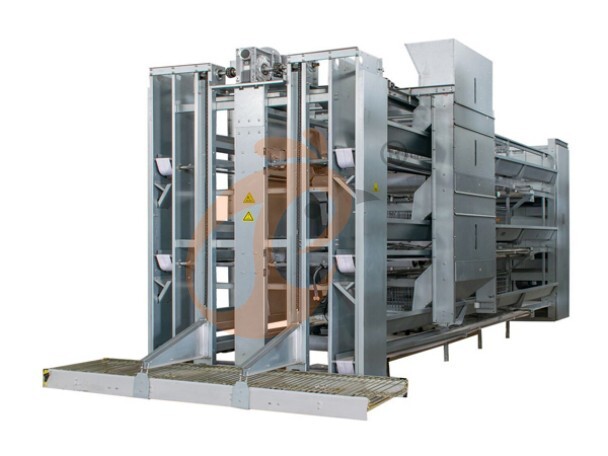
5. 24 online reception Whatsapp NO. : +8618830120193Read More Automatic H Type Layer Battery Cage System1. 30,000-100,000+ layers/house chooses it
2. Structure type stacked 3-16 tiers range
3. Stocking density up to 17 birds/cage
4. Service life 25 years
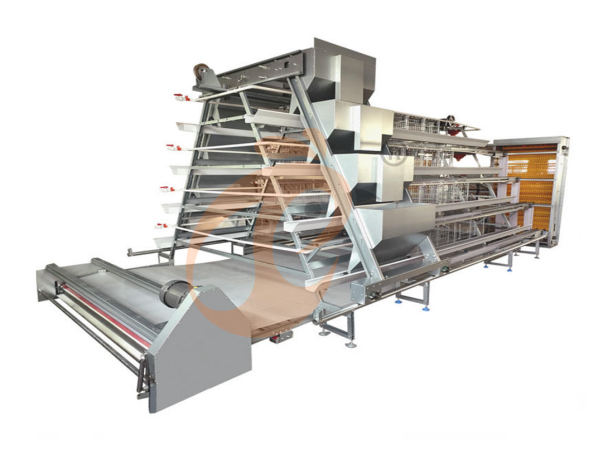
5. Reception /WhatsApp NO. : +8618830120193Read More Automatic A Type Layer Battery Cage System1. 10,000-30,000+ layers/house chooses it
2. Lifespan 25+ years
3. Labor requirement 1 worker per 10,000 birds
4. Reduce disease rates by 15%-20%.
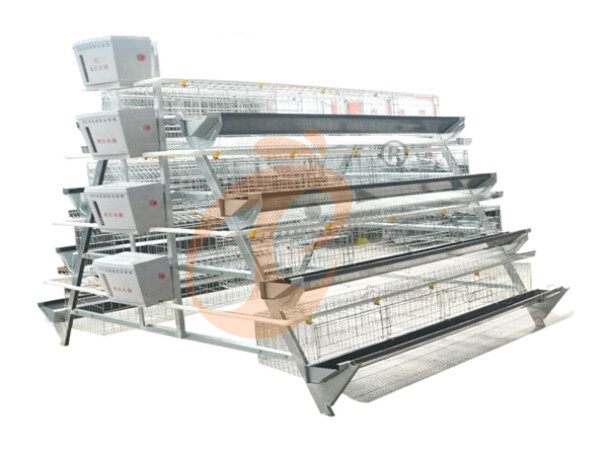
5. Reception /WhatsApp NO. : +8618830120193Read More Semi Automatic A Type Layer Battery Cage System1. 1,00-10,000+ layers/house chooses it
2. Egg breakage rate≤ 0.5%
3. Mesh spacing 2.5×2.5 cm
4. Egg collection floor slope 7–8°
5. Reception /WhatsApp NO. : +8618830120193Read More