Poultry farm startup costs range from $32,000 to $1.2 million for 1,000–100,000 birds.
Compare 4 commercial flock sizes and infrastructure requirements.
Examine 8 investment categories, including chicken cages and automation.
Calculate feed, labor, utilities, and 90-day working capital.
Discover practical budgeting methods and equipment specifications.
1. Factors That Affect Startup Costs
Starting a poultry farm requires careful budgeting for housing, livestock, equipment, and operating expenses.
A 1,000-bird farm differs considerably from a 100,000-bird commercial operation.
Production type is the first consideration.
Broiler farms prioritize feeding and ventilation, while layer farms require nesting, egg collection, and galvanized chicken cage systems.

Major Cost Factors Include
Capacity 1,000–100,000+ birds determine infrastructure requirements.
Housing deep-litter systems vs layer cages involve different construction costs.
Automation automatic feeders reduce manual work but increase initial investment.
Climate temperatures above 30°c may require additional cooling capacity.
Location land prices, electricity tariffs, and construction wages vary geographically.
A professional poultry farm business plan should establish production capacity, housing specifications, and equipment requirements before purchasing materials.
For project budgeting, explore Commercial Poultry Farm Equipment And Complete Solutions to compare equipment configurations.
Get professional poultry farm construction guidance, equipment selection solutions, and the latest price lists. WhatsApp to +8618830120193.
2. Land And Poultry House Construction Costs

Land preparation, foundations, steel structures, roofing, and drainage represent substantial fixed investments.
Preliminary broiler housing allowances are approximately 0.07–0.09 m² per bird, subject to applicable welfare and ventilation requirements.
European union standard reference only
The following figures are illustrative usd engineering allowances, not official European union construction prices.
A 12,000-bird facility may require approximately 1,000 m² of usable housing, while larger farms need multiple independently ventilated buildings.
3. Chick Or Pullet Purchase Costs

Chick prices depend on breed, vaccination, hatchery quality, and transportation.
Broiler chicks generally cost less than developed pullets because pullets require additional rearing resources.
For 12,000 broilers, initial chick purchasing may require $7,800–$13,200.
A chicken farm business plan should calculate placement quantities, mortality allowances, and vaccination requirements rather than relying exclusively on building capacity.
4. Equipment And Installation Costs

Commercial poultry equipment includes automatic feeding lines, nipple drinkers, ventilation fans, cooling pads, controllers, and feed silos.
4.1 Automatic Feeding And Drinking Systems
Automatic feeding lines distribute feed throughout poultry houses, while nipple drinking systems provide continuous access to clean water.
Equipment quantities must match flock capacity and building dimensions.
4.2 Chicken Cage Systems And Installation Costs
Chicken cages are essential equipment for many commercial layer farms.
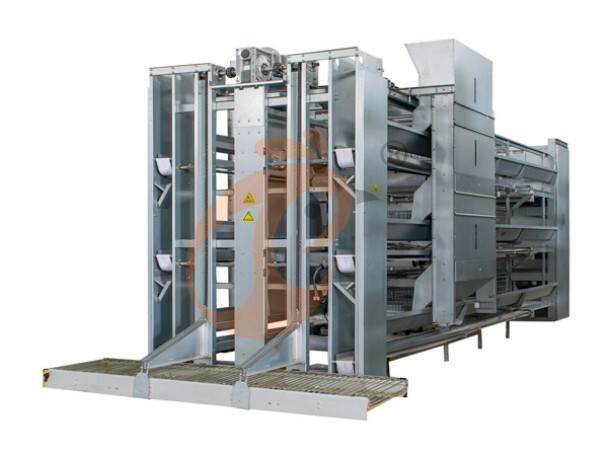
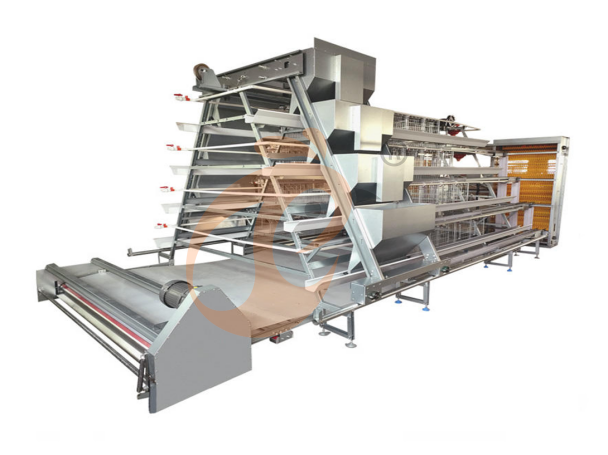
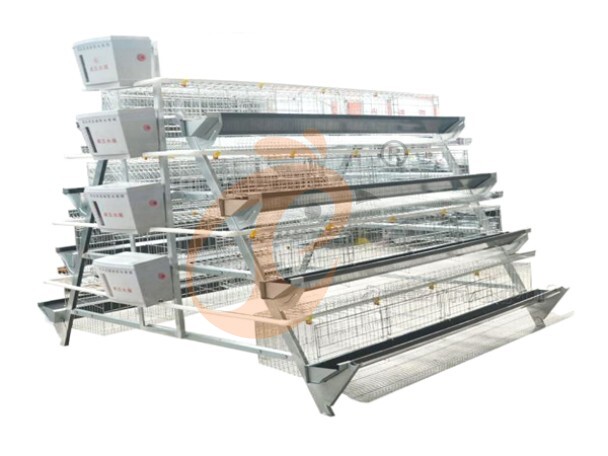
A complete cage system typically includes galvanized steel cage frames, feeding troughs, nipple drinkers, egg collection belts, and manure removal belts.
Explore professional chicken cage configurations, poultry house construction guidance, and customized equipment quotations. WhatsApp to +8618830120193.
Broiler farms generally use floor-based equipment instead of conventional layer cages.
Layer cage selection should consider bird welfare, ventilation, egg collection efficiency, and applicable local regulations.
4.3 Ventilation And Environmental Control
A typical commercial house may require 5 feeding lines, 7 drinking lines, and multiple exhaust fans.
Installation quotations should include transportation, electrical connections, commissioning, and spare parts.
For integrated equipment configurations, Taiyu Group (HK) poultry cage and feeding systems provide a reference for evaluating commercial housing equipment.
5. Feed, Labor, Electricity, And Water Costs

Feed represents a major recurring expense.
Commercial broilers typically consume approximately 4.2–4.8 kg throughout a growing cycle, depending on genetics and target weight.
European union standard reference only.
At an illustrative feed price of $0.38/kg, 12,000 broilers consuming 4.5 kg each require approximately $20,520 in feed.
Automatic feeding vs manual feeding changes staffing requirements and daily management efficiency.
Backup generators should support ventilation, water pumps, and environmental controllers during power interruptions.
6. Veterinary, Biosecurity, And Other Expenses
Veterinary services, vaccination, disinfection, and pest management protect flock health.
Biosecurity infrastructure should be installed before the first delivery of chicks.
Additional provisions should include entrance hygiene, vehicle disinfection, rodent monitoring, and separate equipment for different poultry houses.
Get customized poultry farm construction guidance, professional equipment selection solutions, and the latest factory price lists. WhatsApp to +8618830120193.
7. Working Capital And Emergency Funds
Construction completion does not mean financial readiness.
Farms need sufficient working capital for feed, salaries, utilities, veterinary services, and maintenance.
A practical reserve covers 60–90 days of essential operating expenses.
For example, monthly operating expenses of $25,000 require approximately $50,000–$75,000 in working capital.
8. How To Estimate Your Total Startup Budget
Estimate construction, equipment, livestock, and operating reserves separately.
The following model assumes enclosed broiler housing, automatic feeding, mechanical ventilation, and floor-based management.
Data is for reference only.Swipe horizontally to view full table.
These estimates exclude financing charges and processing plants.
Actual quotations depend on local construction standards, automation, land prices, and equipment specifications.
A reliable poultry farming business plan should include
Production capacity and stocking density
Building dimensions and construction quotations
Equipment quantities and installation costs
Chick purchases and feed requirements
Utilities, veterinary expenses, and emergency reserves.
A separate poultry farm business plan budget should distinguish fixed assets from recurring expenditure to avoid insufficient operating capital.
For large-scale projects, Taiyu Group (HK) Poultry Farm Equipment Solutions can help project developers review equipment combinations and turnkey engineering requirements.
Get customized poultry farm construction guidance, professional equipment selection solutions, and the latest factory price lists. WhatsApp to +8618830120193.
Frequently Asked Questions
Q1. How much does a 10,000-bird poultry farm cost?
A1: Approximately $165,000 under the illustrative budget above, including construction, equipment, chicks, feed, and working capital.
Q2. which equipment is essential?
A2: Automatic feeders, nipple drinkers, ventilation fans, cooling pads, feed silos, and environmental controllers are essential.
Layer farms also require chicken cages and egg collection systems.
Q3. Should beginners start with 1,000 or 10,000 birds?
A3: A 1,000-bird farm requires less capital, while a 10,000-bird facility requires more automation and infrastructure.
Available funding and management experience should determine capacity.
Taiyu (HK) Group - One Of China Largest Poultry Equipment Manufacturer
Poultry farm equipment integrates automated feeding, drinking, ventilation, and climate control for 1,000–100,000+ birds.
Global factory-direct supply provides customized poultry equipment and complete production systems.
Turn-key engineering covers project design, manufacturing, installation, and commissioning.
Galvanized chicken cages feature automatic egg collection and manure removal configurations.
International technical support includes equipment selection, engineering documentation, and installation guidance.
Contact Us To Received Your Customized Poultry Farm Plan
Headquarters And Branchs

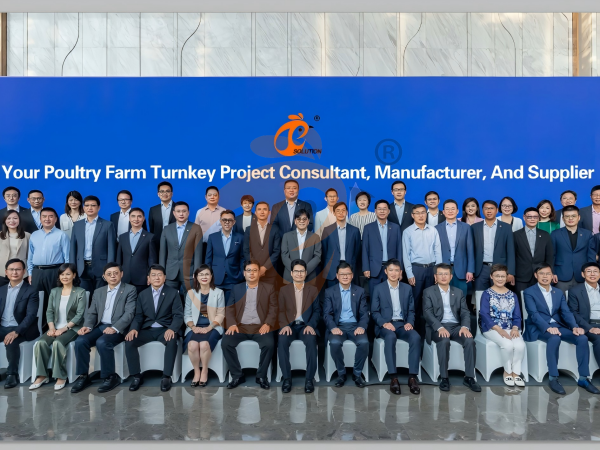
Hong Kong Headquarter Management Team
Hong Kong Headquarter Taiyu Industrial Group CO., LTD
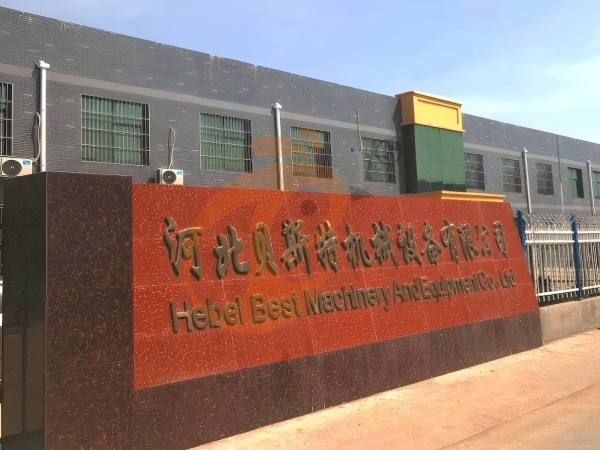
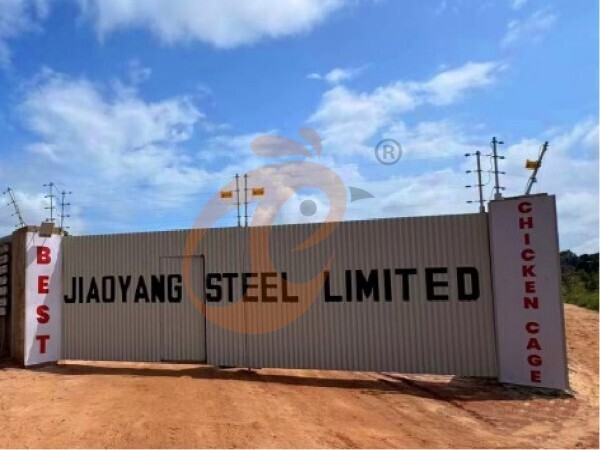
China Hebei Best Machinery And Equipment CO., LTD
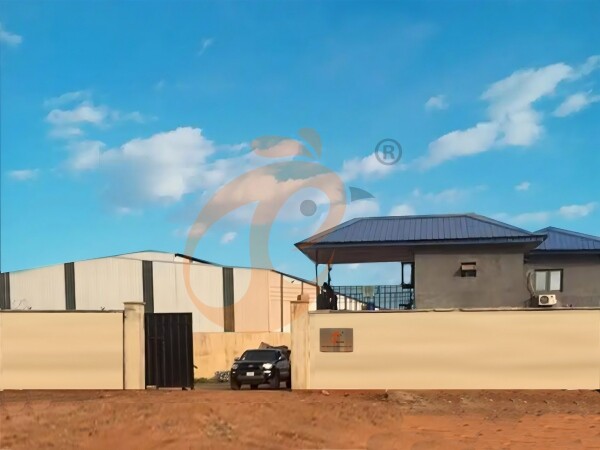
Nigeria Vanke Machinery And Equipment CO., LTD
Tanzania Best Machinery And Equipment CO., LTD
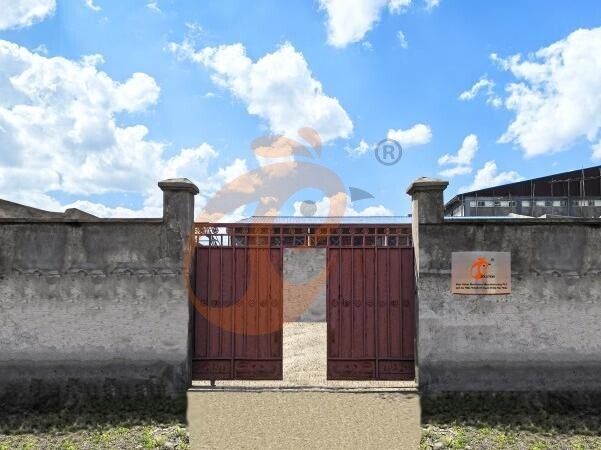
Ethiopia Best Hebei Machinery Manufacturing PLC




Reception /24 WhatsApp NO. : +8618830120193
MESSAGE
Products recommended
 HK Headquarter Offers EU-standard Poultry Farm Solutions, Manufacture Poultry Farm Equipment1. Continuous communication with the EU and the US
2. China, Nigeria, Ethiopia, Tanzania branch companies and factories
3. The products’ quality is customized for local poultry farms
4. Poultry cage and poultry farm equipment stock for sale
5. 24 online reception Whatsapp NO. : +8618830120193,contact us to get full informationRead More China Branch Offer Poultry Farm Business Plan, Manufacture Poultry Farm Equipment1. Address: Flat/RM 2416, 24/F, Runxing Building, Youyi Nan Street, Shijiazhuang City, Hebei Province, China
2. Poultry cage and poultry farm equipment factory and stock for sale
3. Customized for local poultry farms
4. Quality and design are based on Euro
5. 24 online reception Whatsapp NO. : +8618830120193Read More Nigeria Branch Offer Poultry Farm Business Plan, Manufacture Poultry Farm Equipment1. Address: After Sinoma Office, 200 Meters Near Danco Filling Station, Lagos/Ibadan Expressway, Lagos State, Nigeria
2. Poultry cage and poultry farm equipment factory and stock for sale
3. Customized for Nigerian poultry farms
4. Quality and design are based on Euro
5. 24 online reception Whatsapp NO. : +8618830120193Read More Ethiopia Branch Offer Poultry Farm Business Plan, Manufacture Poultry Farm Equipment1. Address: Gelan Gura, Akaki-kaliti Sub City, Addis Ababa, Ethiopia
2. Poultry cage and poultry farm equipment stock for sale
3. Customized for Ethiopian poultry farms
4. Quality and design are based on Euro
5. 24 online reception Whatsapp NO. : +8618830120193, contact us to get price listRead More Tanzania Branch Offer Poultry Farm Business Plan, Manufacture Poultry Farm Equipment1. Address: No.8, Sova Road, Msufini, Mlandizi, Kibaha, Pwani, Tanzania
2. Poultry cage and poultry farm equipment factory and stock for sale
3. Customized for Tanzanian poultry farms
4. Quality and design are based on Euro
5. 24 online reception Whatsapp NO. : +8618830120193Read More Automatic H Type Layer Battery Cage System1. 30,000-100,000+ layers/house chooses it
2. Structure type stacked 3-16 tiers range
3. Stocking density up to 17 birds/cage
4. Service life 25 years
5. Reception /WhatsApp NO. : +8618830120193Read More Automatic A Type Layer Battery Cage System1. 10,000-30,000+ layers/house chooses it
2. Lifespan 25+ years
3. Labor requirement 1 worker per 10,000 birds
4. Reduce disease rates by 15%-20%.
5. Reception /WhatsApp NO. : +8618830120193Read More Semi Automatic A Type Layer Battery Cage System1. 1,00-10,000+ layers/house chooses it
2. Egg breakage rate≤ 0.5%
3. Mesh spacing 2.5×2.5 cm
4. Egg collection floor slope 7–8°
5. Reception /WhatsApp NO. : +8618830120193Read More