Poultry farming for beginners starts with choosing between egg production and meat production, with project capacities ranging from 1,000 to 100,000+ birds.
Compare production cycles, housing configurations, and equipment requirements before construction.
Evaluate 2–4 production models against local market demand and technical support.
Select a farm design that allows future expansion without unnecessary equipment replacement.
1. Layer Farming Vs. Broiler Farming

Layers produce eggs over an extended production period, while broilers are raised for meat and sold after reaching their target weight.
Commercial layers commonly start laying at 18–22 weeks, whereas broilers may reach market weight in 35–49 days.
For poultry farming for beginners, broilers offer a shorter production cycle, while layers require more specialized egg collection and flock management.
Choose layers if the local market has stable demand for fresh eggs and you can manage a longer production cycle.
Choose broilers if nearby processors or distributors can purchase batches regularly.
When planning an egg or meat production project, compare Automatic Poultry Feeding And Drinking Equipment to identify a configuration that matches the intended flock size and housing design.
Get professional poultry farm construction guidance, equipment selection solutions, and the latest price lists. What’sApp to +8618830120193.
2. Breeder Farming And Other Poultry Business Options

Breeder farms produce fertile eggs for hatcheries, while hatcheries incubate eggs and supply day-old chicks to commercial farms.
These businesses require more specialized management than ordinary meat or egg production.
Chicken eggs generally undergo approximately 18 days of setter incubation, followed by around 3 days in the hatcher.
Hatchery planning must also consider egg storage, sanitation, ventilation, and chick transportation.
Beginners should generally understand commercial layer or broiler management before investing in breeder production or hatchery operations.
These specialized businesses involve additional requirements for flock genetics, fertility management, incubation, and disease control.
3. Cage System Vs. Floor System

The housing system affects building layout, labor, bird movement, and equipment selection.
Layer farms may use compliant cage systems or cage-free floor housing, while broilers are commonly raised on litter floors.
3.1 Cage Systems For Layer Farms
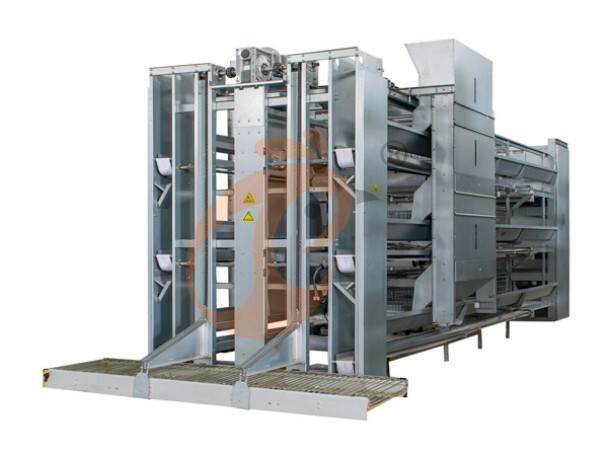
H-type chicken cages organize feeding, drinking, egg collection, and manure removal in vertical tiers.
Commercial designs may contain 3–8 tiers, depending on house height and engineering requirements.
Cage dimensions and bird numbers must follow applicable welfare regulations.
For example, European union rules require enriched cages to provide at least 750 cm² per hen, including 600 cm² of usable area.
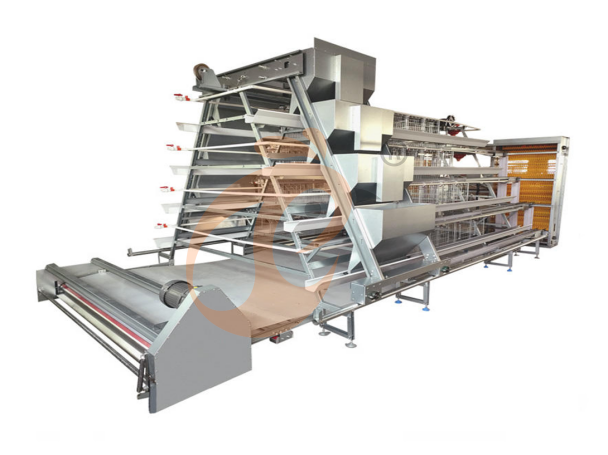
For layer projects requiring automated egg collection and manure handling, Taiyu Group (HK) Layer Cage Equipment can be considered when comparing different building layouts and equipment configurations.
3.2 Floor Systems For Broiler Farms
Floor systems use litter bedding, feeders, drinkers, and ventilation equipment.
Litter depth is commonly designed around 5–10 cm, while stocking density must be determined according to final bird weight and local welfare requirements.
A broiler house designed for 25–33 kg/m² should have sufficient ventilation and cooling capacity to maintain acceptable environmental conditions.
Local regulations may impose lower limits.
4. Housing And Daily Management Requirements

A suitable poultry house combines insulation, ventilation, feeding, drinking, and waste management.
Broiler houses need careful temperature control during brooding, while layer houses require stable lighting and egg-handling arrangements.
Daily inspection should cover water pressure, feed distribution, mortality, litter condition, and equipment operation.
Water supply should be checked at multiple points in each house, and alarm systems should be tested according to the farm's maintenance schedule.
Get professional poultry house construction guidance, customized equipment selection solutions, and the latest price lists. What’sApp to +8618830120193.
5. Production Cycles And Market Requirements
Broiler production is organized around chick placement, growth, catching, cleaning, and restocking.
Layer production involves rearing, point-of-lay preparation, egg production, and eventual flock replacement.
Before choosing a production model, confirm the buyer's preferred bird weight, egg size, packaging requirements, delivery frequency, and payment terms.
A farm with 4–6 production batches annually may suit some broiler schedules, while layer operations require continuous egg marketing and planned flock replacement.
6. How To Choose The Right Farming Model

The best model depends on operating experience, local demand, construction conditions, and access to technical support.
Poultry farming for beginners should prioritize manageable operations rather than maximum building capacity.
For an initial project, compare 2–3 equipment quotations and obtain building plans before ordering machinery.
Allow space for feed storage, vehicle access, waste handling, and future expansion.
For projects combining automated feeding, ventilation, and manure management, Taiyu Group (HK) Poultry Farm Equipment offers product configurations worth evaluating against the planned farm capacity.
Get professional poultry farm construction guidance, equipment selection solutions, and the latest price lists. What’sApp to +8618830120193.
Frequently Asked Questions
Q1. Are layers or broilers easier for beginners?
A1: Broilers have shorter production cycles, while layers require longer-term flock management and egg handling.
Q2. Which housing system should a new investor choose?
A2: Broiler floor housing is a common starting point; layer investors should compare compliant cage-free and cage-based options.
Q3. Can a beginner build a large poultry farm immediately?
A3: A larger project needs reliable management, market access, and technical support; expansion should follow proven operating performance.
Taiyu (HK) Group - One Of China's Largest Poultry Equipment Manufacturers
Poultry farm equipment supports projects from 1,000 to 100,000+ birds, covering different production requirements.
Factory-direct supply includes layer cages, feeders, drinkers, ventilation equipment, and egg collection systems.
Turn-key engineering covers farm design, equipment installation, and commissioning for projects with 2–20 houses.
Customized equipment configurations accommodate building widths of 12–18 m and different local climates.
Integrated solutions support automated feeding, environmental control, and manure management for commercial poultry operations.
Contact Us To Received Your Customized Poultry Farm Plan
Headquarters And Branchs

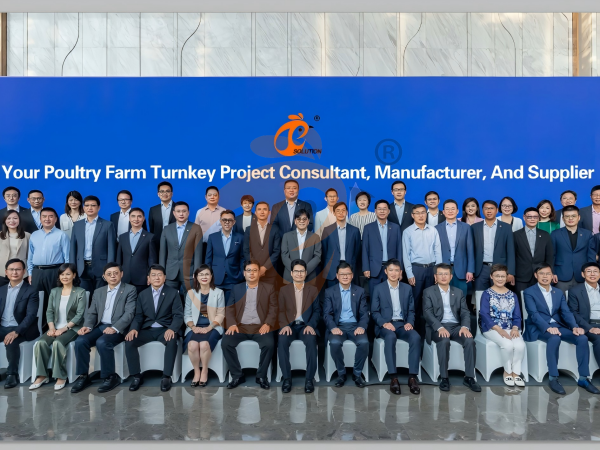
Hong Kong Headquarter Management Team
Hong Kong Headquarter Taiyu Industrial Group CO., LTD
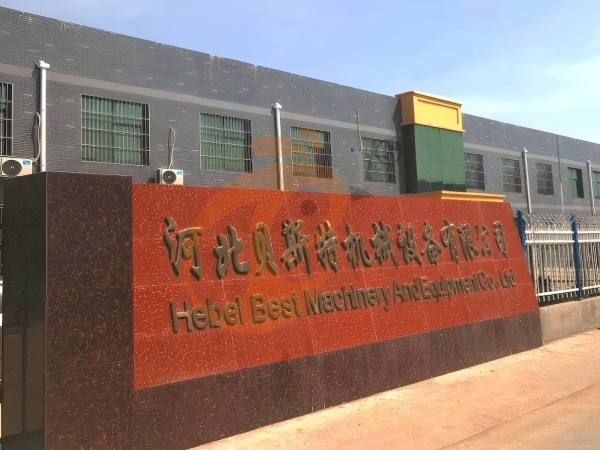
China Hebei Best Machinery And Equipment CO., LTD
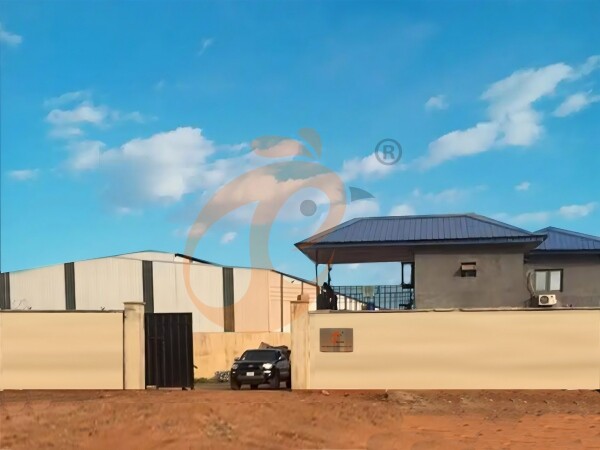
Nigeria Vanke Machinery And Equipment CO., LTD
Tanzania Best Machinery And Equipment CO., LTD
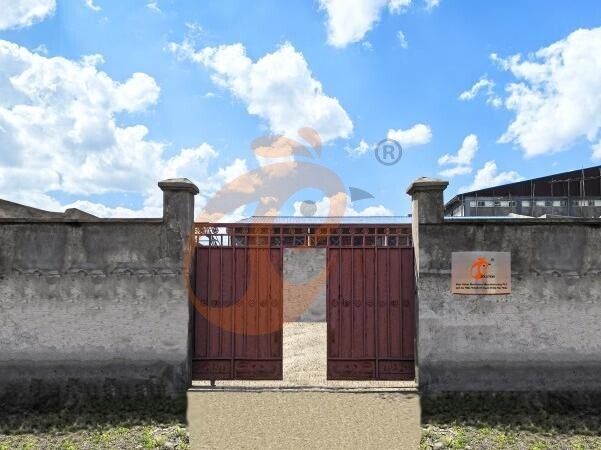
Ethiopia Best Hebei Machinery Manufacturing PLC




Reception /24 WhatsApp NO. : +8618830120193
MESSAGE
Products recommended
 HK Headquarter Offers EU-standard Poultry Farm Solutions, Manufacture Poultry Farm Equipment1. Continuous communication with the EU and the US
2. China, Nigeria, Ethiopia, Tanzania branch companies and factories
3. The products’ quality is customized for local poultry farms
4. Poultry cage and poultry farm equipment stock for sale
5. 24 online reception Whatsapp NO. : +8618830120193,contact us to get full informationRead More China Branch Offer Poultry Farm Business Plan, Manufacture Poultry Farm Equipment1. Address: Flat/RM 2416, 24/F, Runxing Building, Youyi Nan Street, Shijiazhuang City, Hebei Province, China
2. Poultry cage and poultry farm equipment factory and stock for sale
3. Customized for local poultry farms
4. Quality and design are based on Euro
5. 24 online reception Whatsapp NO. : +8618830120193Read More Nigeria Branch Offer Poultry Farm Business Plan, Manufacture Poultry Farm Equipment1. Address: After Sinoma Office, 200 Meters Near Danco Filling Station, Lagos/Ibadan Expressway, Lagos State, Nigeria
2. Poultry cage and poultry farm equipment factory and stock for sale
3. Customized for Nigerian poultry farms
4. Quality and design are based on Euro
5. 24 online reception Whatsapp NO. : +8618830120193Read More Ethiopia Branch Offer Poultry Farm Business Plan, Manufacture Poultry Farm Equipment1. Address: Gelan Gura, Akaki-kaliti Sub City, Addis Ababa, Ethiopia
2. Poultry cage and poultry farm equipment stock for sale
3. Customized for Ethiopian poultry farms
4. Quality and design are based on Euro
5. 24 online reception Whatsapp NO. : +8618830120193, contact us to get price listRead More Tanzania Branch Offer Poultry Farm Business Plan, Manufacture Poultry Farm Equipment1. Address: No.8, Sova Road, Msufini, Mlandizi, Kibaha, Pwani, Tanzania
2. Poultry cage and poultry farm equipment factory and stock for sale
3. Customized for Tanzanian poultry farms
4. Quality and design are based on Euro
5. 24 online reception Whatsapp NO. : +8618830120193Read More Automatic H Type Layer Battery Cage System1. 30,000-100,000+ layers/house chooses it
2. Structure type stacked 3-16 tiers range
3. Stocking density up to 17 birds/cage
4. Service life 25 years
5. Reception /WhatsApp NO. : +8618830120193Read More Automatic A Type Layer Battery Cage System1. 10,000-30,000+ layers/house chooses it
2. Lifespan 25+ years
3. Labor requirement 1 worker per 10,000 birds
4. Reduce disease rates by 15%-20%.
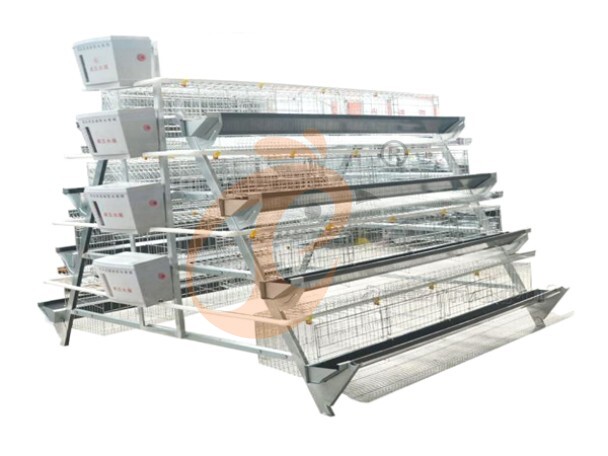
5. Reception /WhatsApp NO. : +8618830120193Read More Semi Automatic A Type Layer Battery Cage System1. 1,00-10,000+ layers/house chooses it
2. Egg breakage rate≤ 0.5%
3. Mesh spacing 2.5×2.5 cm
4. Egg collection floor slope 7–8°
5. Reception /WhatsApp NO. : +8618830120193Read More