Required poultry farm equipment depends on flock size, production goals, and housing design; a farm raising 10,000 broilers needs different configurations from a 5,000-hen layer operation.
Effective equipment planning improves feed efficiency, bird welfare, labor productivity, and daily management.
A complete system typically includes housing, feeding, drinking, ventilation, waste handling, and production equipment.
Automation can reduce repetitive work while supporting consistent operating conditions.
The best investment balances initial cost, maintenance, energy consumption, and long-term production needs.
1. Poultry Housing And Cage Systems
1-1. Choose Suitable Housing
Housing protects birds from extreme weather, predators, and external contamination.
Select floor-rearing, cage, or aviary systems according to bird type and local regulations.
1-2. Key Planning Parameters
Stocking density follow applicable welfare standards and bird weight requirements.
House dimensions plan sufficient space for feeding lines, drinkers, and service access.
Construction use corrosion-resistant materials and surfaces that are easy to clean.
2. Automatic Feeding Systems

2-1. Main Components
Automatic feeding systems usually include feed silos, conveying pipes, augers, feed pans, and control units.
Capacity should match flock size and daily feed demand.
2-2. Selection Considerations
Feed capacity calculate consumption from bird type, age, and production stage.
Distribution ensure feed reaches every section evenly.
Control use adjustable delivery schedules to limit waste.
Explore Automatic Poultry Feeding Equipment for integrated feeding options.
Get professional poultry farm construction guidance, equipment selection solutions, and the latest price lists, WhatsApp to +8618830120193.
3. Nipple Drinking Systems And Water Supply

3-1. Essential Components
A drinking system generally includes water tanks, filtration, pressure regulators, pipelines, nipple drinkers, and flushing equipment.
3-2. Operating Parameters
Water pressure adjust according to bird age and drinker specifications.
Water quality check microbial safety and mineral content regularly.
Leak prevention inspect connections to avoid wet litter and unnecessary water loss.
Provide reliable water access throughout the house and maintain a routine for flushing and cleaning lines.
4. Ventilation And Environmental Control Systems

4-1. Equipment Configuration
Ventilation systems may include exhaust fans, air inlets, cooling pads, heaters, temperature sensors, and controllers.
Their capacity depends on climate, house dimensions, and flock density.
4-2. Environmental Management
Air exchange remove excess moisture, dust, and harmful gases.
Temperature adjust heating or cooling to the birds’ growth stage.
Monitoring use sensors to identify environmental changes quickly.
Proper airflow helps maintain bird comfort and supports consistent production.
Avoid designing ventilation solely around fan quantity; calculate the required airflow for the actual building.
5. Egg Collection And Grading Equipment

5-1. Collection And Sorting
Layer farms can use collection belts, elevators, conveyors, egg counters, and grading machines.
Equipment capacity should match peak egg output and packing requirements.
5-2. Quality Protection
Handling minimize drops and sharp conveyor turns.
Grading select sorting functions according to required output.
Hygiene clean contact surfaces and remove damaged eggs promptly.
Data is for reference only. Swipe horizontally to view full table.
These figures are preliminary planning ranges; confirm actual specifications with the supplier.
6. Manure Removal And Waste Management Systems
6-1. Common Equipment
Manure belts, scrapers, collection conveyors, storage areas, and composting equipment help manage poultry waste.
Select a solution based on housing type, manure moisture, and disposal arrangements.
6-2. System Selection
A suitable system can reduce manual handling, improve hygiene, and simplify waste transport.
Belt systems are often used in layer houses, while litter-based broiler houses may require different collection methods.
See Taiyu Group (HK) Poultry Manure Removal Equipment for equipment options.
Contact our team for poultry waste-handling recommendations and farm equipment planning support via WhatsApp: +8618830120193.
7. How To Select Equipment For Different Farm Sizes

7-1. Match Equipment To Capacity
Small farms may prioritize simple operation and manageable maintenance.
Medium and large farms often benefit from coordinated automation, centralized controls, and higher-capacity material handling.
Data is for reference only. Swipe horizontally to view full table.
These flock-size categories are illustrative, not universal industry standards.
7-2. Evaluate Total Ownership Cost
Compare rated capacity, energy use, and installation requirements.
Check spare-part availability, warranty terms, and technical support.
Consider expansion plans before fixing the final layout.
For integrated layer operations, Taiyu Group (HK) Egg Collection And Grading Equipment can be considered alongside other production systems.
Request a tailored poultry equipment configuration and project consultation by WhatsApp at +8618830120193.
8. Frequently Asked Questions
Q1. What equipment is essential for a poultry farm?
A1: Housing, feeding, drinking, ventilation, and waste-management systems are the basic requirements; egg farms also need collection and grading equipment.
Q2. Should a new farm choose automatic equipment?
A2: Automation can reduce repetitive labor and improve consistency, but the investment should match flock size, budget, and available technical support.
Q3. How often should poultry equipment be maintained?
A3: Inspect equipment daily, clean and sanitize it according to the operating schedule, and follow manufacturer instructions for preventive maintenance.
Taiyu (HK) Group - One Of China Toppest Poultry Equipment Manufacturer
We supply poultry farm equipment for projects ranging from 10,000-bird facilities to large commercial farms, with configurations based on production goals.
Our solutions cover feeding, drinking, ventilation, egg handling, and manure management for different housing designs.
We support global factory-direct sales, equipment planning, and installation coordination for international customers.
Our engineering services integrate equipment layouts, utility requirements, and production workflows into turnkey project solutions.
Customers can request technical specifications, spare-parts information, and project recommendations tailored to their local operating conditions.
Contact Us To Received Your Customized Poultry Farm Plan
Headquarters And Branchs

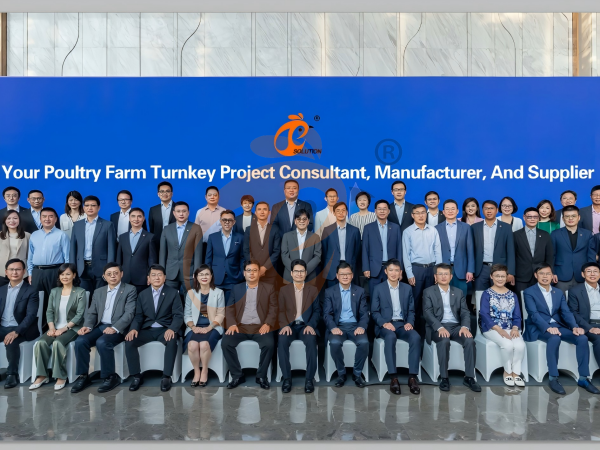
Hong Kong Headquarter Management Team
Hong Kong Headquarter Taiyu Industrial Group CO., LTD
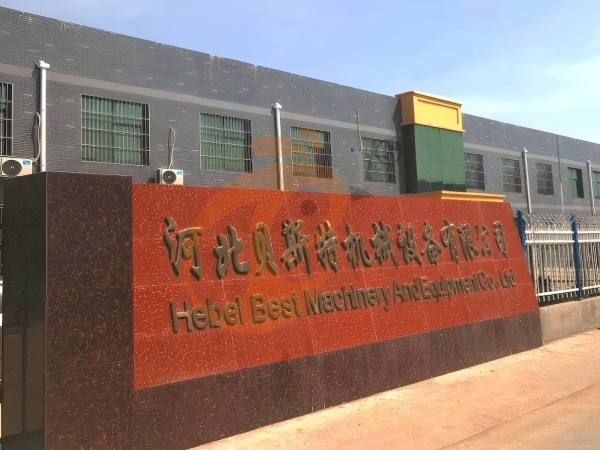
China Hebei Best Machinery And Equipment CO., LTD
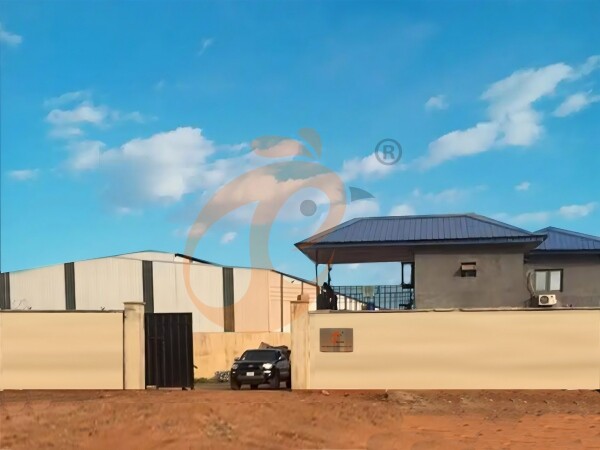
Nigeria Vanke Machinery And Equipment CO., LTD
Tanzania Best Machinery And Equipment CO., LTD
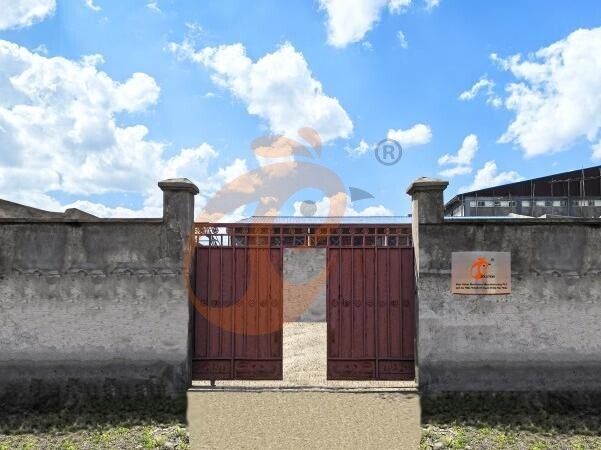
Ethiopia Best Hebei Machinery Manufacturing PLC




Reception /24 WhatsApp NO. : +8618830120193
MESSAGE
Products recommended
 HK Headquarter Offers EU-standard Poultry Farm Solutions, Manufacture Poultry Farm Equipment1. Continuous communication with the EU and the US
2. China, Nigeria, Ethiopia, Tanzania branch companies and factories
3. The products’ quality is customized for local poultry farms
4. Poultry cage and poultry farm equipment stock for sale
5. 24 online reception Whatsapp NO. : +8618830120193,contact us to get full informationRead More China Branch Offer Poultry Farm Business Plan, Manufacture Poultry Farm Equipment1. Address: Flat/RM 2416, 24/F, Runxing Building, Youyi Nan Street, Shijiazhuang City, Hebei Province, China
2. Poultry cage and poultry farm equipment factory and stock for sale
3. Customized for local poultry farms
4. Quality and design are based on Euro
5. 24 online reception Whatsapp NO. : +8618830120193Read More Nigeria Branch Offer Poultry Farm Business Plan, Manufacture Poultry Farm Equipment1. Address: After Sinoma Office, 200 Meters Near Danco Filling Station, Lagos/Ibadan Expressway, Lagos State, Nigeria
2. Poultry cage and poultry farm equipment factory and stock for sale
3. Customized for Nigerian poultry farms
4. Quality and design are based on Euro
5. 24 online reception Whatsapp NO. : +8618830120193Read More Ethiopia Branch Offer Poultry Farm Business Plan, Manufacture Poultry Farm Equipment1. Address: Gelan Gura, Akaki-kaliti Sub City, Addis Ababa, Ethiopia
2. Poultry cage and poultry farm equipment stock for sale
3. Customized for Ethiopian poultry farms
4. Quality and design are based on Euro
5. 24 online reception Whatsapp NO. : +8618830120193, contact us to get price listRead More Tanzania Branch Offer Poultry Farm Business Plan, Manufacture Poultry Farm Equipment1. Address: No.8, Sova Road, Msufini, Mlandizi, Kibaha, Pwani, Tanzania
2. Poultry cage and poultry farm equipment factory and stock for sale
3. Customized for Tanzanian poultry farms
4. Quality and design are based on Euro
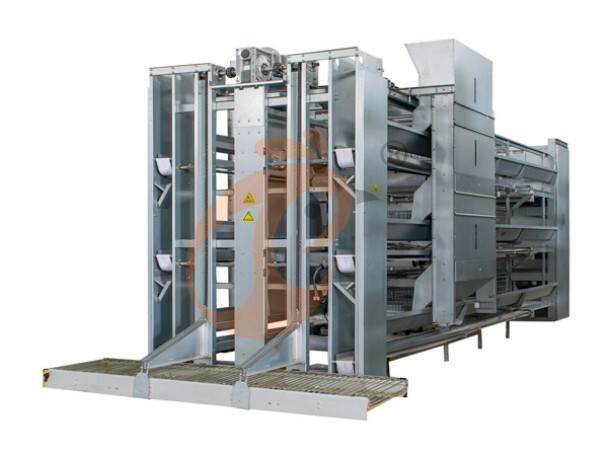
5. 24 online reception Whatsapp NO. : +8618830120193Read More Automatic H Type Layer Battery Cage System1. 30,000-100,000+ layers/house chooses it
2. Structure type stacked 3-16 tiers range
3. Stocking density up to 17 birds/cage
4. Service life 25 years
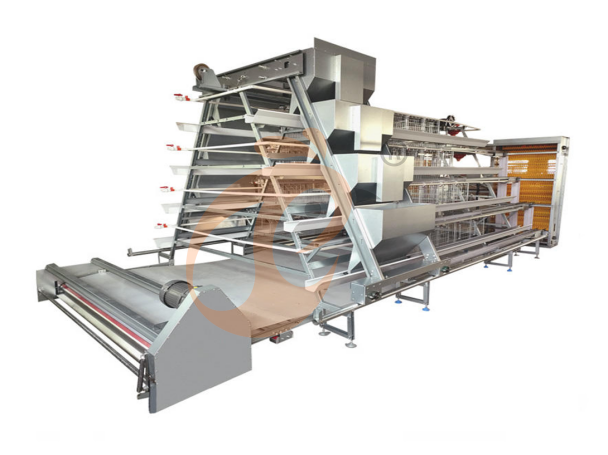
5. Reception /WhatsApp NO. : +8618830120193Read More Automatic A Type Layer Battery Cage System1. 10,000-30,000+ layers/house chooses it
2. Lifespan 25+ years
3. Labor requirement 1 worker per 10,000 birds
4. Reduce disease rates by 15%-20%.
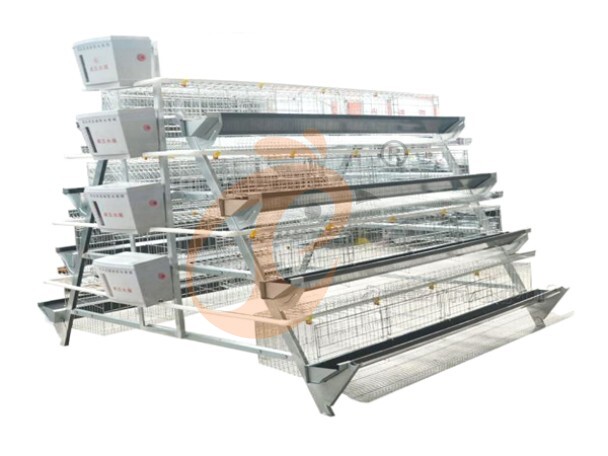
5. Reception /WhatsApp NO. : +8618830120193Read More Semi Automatic A Type Layer Battery Cage System1. 1,00-10,000+ layers/house chooses it
2. Egg breakage rate≤ 0.5%
3. Mesh spacing 2.5×2.5 cm
4. Egg collection floor slope 7–8°
5. Reception /WhatsApp NO. : +8618830120193Read More