A modern poultry farm operates through a coordinated system of housing, nutrition, climate control, flock health management, and production handling.
Whether a facility raises broilers for meat or layers for eggs, its profitability depends on equipment reliability, labor efficiency, and measurable production results. Understanding how a poultry farm works helps investors and farm operators select suitable equipment, estimate operating requirements, and develop a practical management plan.
A commercial poultry project typically progresses through 5 operational stages, from house preparation to final product handling.
Each stage requires specific equipment, measurable performance indicators, and documented procedures.
The numerical values below are illustrative planning references; actual specifications depend on bird genetics, regional climate, building design, local regulations, and veterinary recommendations.
Poultry House Preparation And Chick Placement

Before chicks arrive, farm staff must clean the building, disinfect suitable surfaces, inspect equipment, and establish a stable brooding environment.
A preparation schedule covering approximately 7–14 days can provide time for cleaning, repairs, disinfection, drying, and final equipment testing, although downtime requirements vary by disease risk and production schedule.
First, workers remove organic debris and used litter, then clean surfaces before applying an approved disinfectant at its specified concentration and contact time. After the house dries, staff install fresh bedding and test heaters, feeders, drinkers, ventilation equipment, sensors, and emergency alarms.
Once the house passes inspection, chicks are unloaded carefully and distributed near feed and water points.
Staff should inspect chick activity during the first 2–4 hours and adjust local temperature or equipment placement if birds cluster excessively or avoid heated areas.
Feeding And Drinking Management

Feed and water are the primary daily inputs in poultry production.
Automated systems distribute these resources more consistently, reduce repetitive labor, and provide measurable consumption data for management decisions.
Broiler diets generally progress through starter, grower, and finisher phases, while layer diets are formulated for growth, egg production, and eggshell formation. Feed specifications should follow the selected breed's nutritional program rather than a universal recipe.
Automatic feeding lines typically use bulk silos, augers, distribution tubes, and pan feeders.
Drinking systems commonly use nipple lines or bell drinkers, with regulators and filtration equipment selected according to source-water quality and installation requirements.
Farmers should compare daily consumption with bird age, outdoor temperature, and recent performance.
A sudden 10% deviation from the flock's established baseline can justify an immediate equipment and health check, although the appropriate alert threshold should be calibrated to normal farm variation.
For suitable farm layouts, Automatic Poultry Feeding And Drinking Equipment can help operators compare equipment configurations and installation requirements.
Ventilation, Temperature, And Lighting Control

Environmental control maintains suitable air quality, temperature, and moisture conditions throughout the production cycle.
Ventilation equipment must be selected according to bird numbers, total liveweight, building dimensions, and local weather, rather than fan capacity alone.
During hot weather, tunnel ventilation and evaporative cooling can help remove excess heat.
In colder conditions, minimum ventilation must still remove moisture and airborne contaminants while avoiding excessive drafts around young birds.
Lighting schedules must reflect bird age, strain, production objective, and applicable welfare requirements.
Broiler programs balance growth with adequate rest, whereas layer programs support reproductive development and egg production through carefully controlled light exposure.
A properly configured controller can coordinate fans, heaters, cooling pads, and alarms through predefined temperature thresholds.
Farmers should validate sensor readings against independent instruments and review system performance during seasonal changes.
Daily Bird Health Monitoring And Biosecurity

Routine health monitoring allows farm staff to identify problems before they spread across a large flock.
Daily observations should cover bird activity, breathing, feed intake, water consumption, droppings, mortality, and flock distribution, with unusual findings recorded and investigated promptly.
Biosecurity procedures reduce the risk of infectious disease entering or spreading between poultry houses.
Controlled entry, dedicated footwear, equipment sanitation, pest management, vaccination programs, and appropriate carcass disposal should form part of a documented farm protocol.
For example, a 2% decline in water consumption over 24 hours may reflect normal variation, while a sustained 10% decline from a comparable baseline warrants closer investigation.
Neither figure independently establishes a diagnosis; temperature changes, supply faults, feed intake, and bird behavior must also be assessed.
Farm managers should contact a qualified veterinarian when unusual mortality, respiratory distress, or other significant clinical signs appear.
Suspected notifiable diseases must be handled according to local reporting requirements, and affected birds or equipment should not be moved contrary to veterinary instructions.
Modern monitoring systems can combine temperature sensors, water meters, weighing equipment, and production software.
Farms that maintain complete records can compare performance across successive flocks and identify recurring problems with greater precision.
For integrated farm planning, Commercial Poultry Farm Equipment and Housing Solutions provide a starting point for evaluating feeding, ventilation, and environmental-control configurations.
Get professional poultry farm construction guidance, equipment selection solutions, and the latest price lists, what’sApp to +8618830120193.
Egg Collection Or Broiler Harvesting

The final operating stage depends on whether the farm produces eggs or meat.
Layer facilities prioritize egg quality and collection efficiency, while broiler facilities coordinate liveweight targets, bird handling, transport, and processing schedules.
Egg Production And Collection
In a layer house, eggs move from nest systems to collection belts, where they are transferred to a grading and packing area.
Automatic conveyors can reduce repetitive manual handling, while routine inspections help identify cracks, dirty eggs, and belt misalignment.
Farm staff monitor production against the number of hens present and record daily output, damaged eggs, and feed consumption.
Eggs must be handled, stored, and transported according to applicable food safety requirements.
Broiler Harvesting
Broilers are generally harvested when they reach the buyer's specified weight and production target, often within a 5–8-week growing period.
Actual timing varies with genetics, feed program, market demand, climate, and the required carcass specification.
Before harvesting, managers coordinate catching crews, transport vehicles, processing appointments, and ventilation management.
Appropriate handling procedures reduce injury and stress, while transport duration and stocking conditions must comply with local animal welfare requirements.
These cycle lengths are illustrative commercial references, not universal biological limits.
Farm operators should use breed-specific production guides and buyer specifications to determine actual schedules.
The broader principle behind how a poultry farm works is coordination: equipment, labor, environmental settings, and production records must support the same operating plan.
A well-designed system helps reduce avoidable losses, improve consistency, and make production costs easier to measure.
Frequently Asked Questions
Q1. What equipment does a commercial poultry farm need?
A1: A commercial poultry farm typically requires feed silos, feeding lines, drinking systems, ventilation fans, environmental controllers, and backup alarms, with equipment capacity determined by flock size and building specifications.
Q2. How can farmers reduce poultry production costs?
A2: Farmers can monitor feed conversion, labor hours, energy consumption, and mortality rates to identify inefficiencies and improve operational planning across successive production cycles.
Q3. How long does it take to build a poultry farm?
A3: A standard project may require several months for design, civil construction, equipment installation, and commissioning, depending on site conditions, permitting requirements, and the complexity of the integrated systems.
Taiyu (HK) Group - One Of China's Largest Poultry Equipment Suppliers
Poultry farm equipment integrates 4 core systems, 2 automated utility networks, and 1 centralized controller for coordinated flock management.
Global factory-direct poultry equipment supports 3 project scales, 2 ventilation configurations, and 1 customized engineering package for commercial clients.
Turn-key engineering coordinates 4 delivery phases, 2 commissioning reviews, and 1 documented handover process for project execution.
Layer installations integrate 2 egg-transfer stages, 3 grading options, and 1 traceability interface for production-line coordination.
Broiler projects combine 3 climate-control components, 2 automated feeding circuits, and 1 integrated monitoring platform for scalable farm management.
Contact Us To Received Your Customized Poultry Farm Plan
Headquarters And Branchs

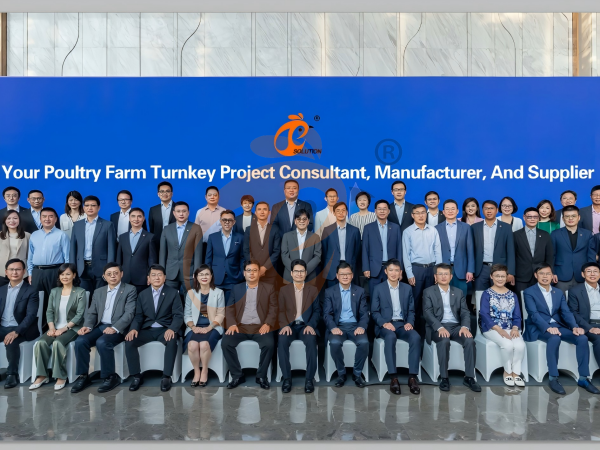
Hong Kong Headquarter Management Team
Hong Kong Headquarter Taiyu Industrial Group CO., LTD
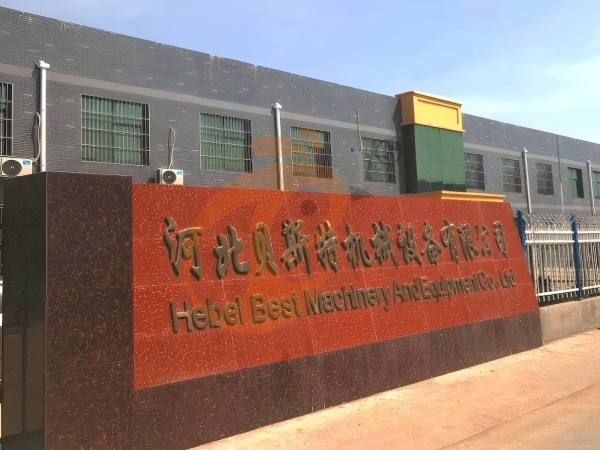
China Hebei Best Machinery And Equipment CO., LTD
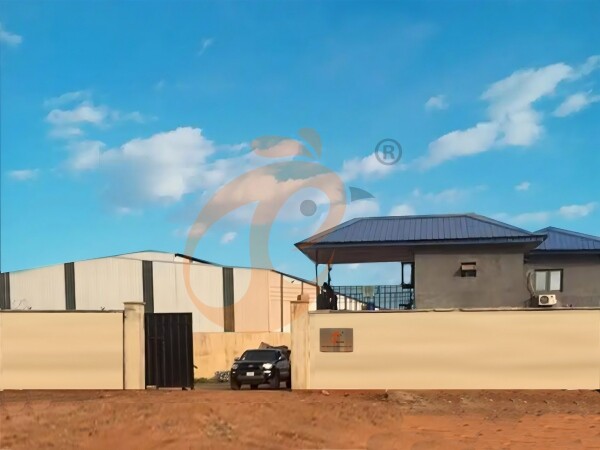
Nigeria Vanke Machinery And Equipment CO., LTD
Tanzania Best Machinery And Equipment CO., LTD
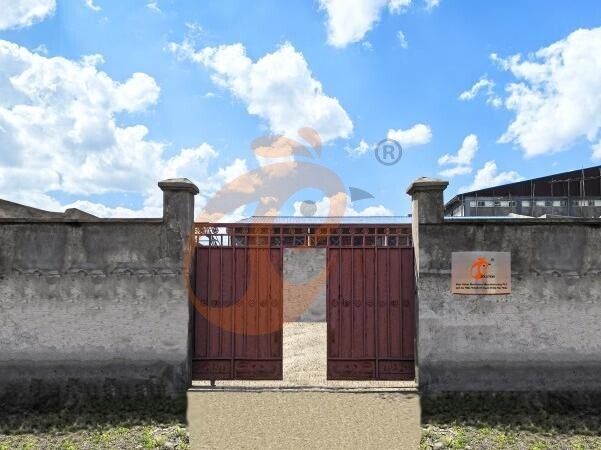
Ethiopia Best Hebei Machinery Manufacturing PLC




Reception /24 WhatsApp NO. : +8618830120193
MESSAGE
Products recommended
 HK Headquarter Offers EU-standard Poultry Farm Solutions, Manufacture Poultry Farm Equipment1. Continuous communication with the EU and the US
2. China, Nigeria, Ethiopia, Tanzania branch companies and factories
3. The products’ quality is customized for local poultry farms
4. Poultry cage and poultry farm equipment stock for sale
5. 24 online reception Whatsapp NO. : +8618830120193,contact us to get full informationRead More China Branch Offer Poultry Farm Business Plan, Manufacture Poultry Farm Equipment1. Address: Flat/RM 2416, 24/F, Runxing Building, Youyi Nan Street, Shijiazhuang City, Hebei Province, China
2. Poultry cage and poultry farm equipment factory and stock for sale
3. Customized for local poultry farms
4. Quality and design are based on Euro
5. 24 online reception Whatsapp NO. : +8618830120193Read More Nigeria Branch Offer Poultry Farm Business Plan, Manufacture Poultry Farm Equipment1. Address: After Sinoma Office, 200 Meters Near Danco Filling Station, Lagos/Ibadan Expressway, Lagos State, Nigeria
2. Poultry cage and poultry farm equipment factory and stock for sale
3. Customized for Nigerian poultry farms
4. Quality and design are based on Euro
5. 24 online reception Whatsapp NO. : +8618830120193Read More Ethiopia Branch Offer Poultry Farm Business Plan, Manufacture Poultry Farm Equipment1. Address: Gelan Gura, Akaki-kaliti Sub City, Addis Ababa, Ethiopia
2. Poultry cage and poultry farm equipment stock for sale
3. Customized for Ethiopian poultry farms
4. Quality and design are based on Euro
5. 24 online reception Whatsapp NO. : +8618830120193, contact us to get price listRead More Tanzania Branch Offer Poultry Farm Business Plan, Manufacture Poultry Farm Equipment1. Address: No.8, Sova Road, Msufini, Mlandizi, Kibaha, Pwani, Tanzania
2. Poultry cage and poultry farm equipment factory and stock for sale
3. Customized for Tanzanian poultry farms
4. Quality and design are based on Euro
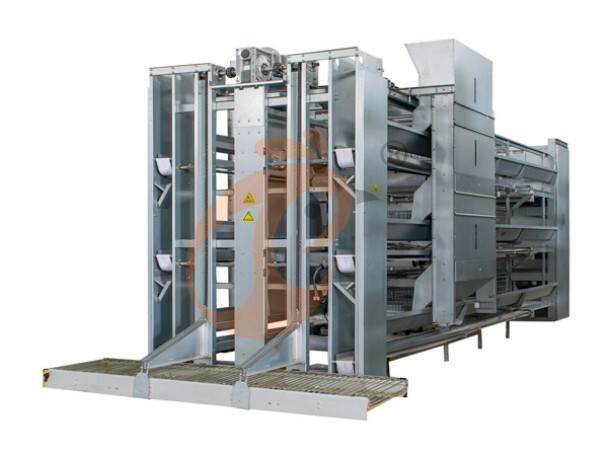
5. 24 online reception Whatsapp NO. : +8618830120193Read More Automatic H Type Layer Battery Cage System1. 30,000-100,000+ layers/house chooses it
2. Structure type stacked 3-16 tiers range
3. Stocking density up to 17 birds/cage
4. Service life 25 years
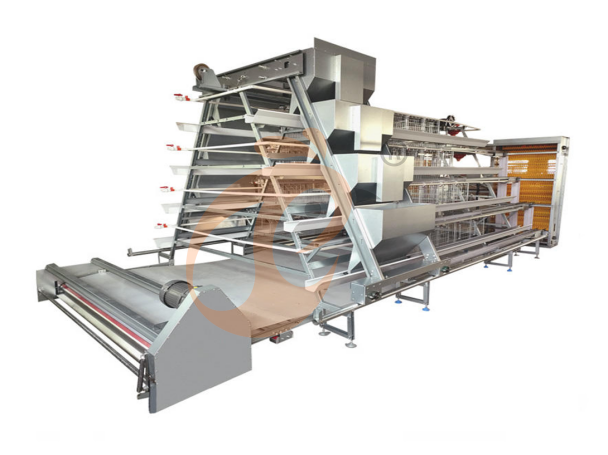
5. Reception /WhatsApp NO. : +8618830120193Read More Automatic A Type Layer Battery Cage System1. 10,000-30,000+ layers/house chooses it
2. Lifespan 25+ years
3. Labor requirement 1 worker per 10,000 birds
4. Reduce disease rates by 15%-20%.
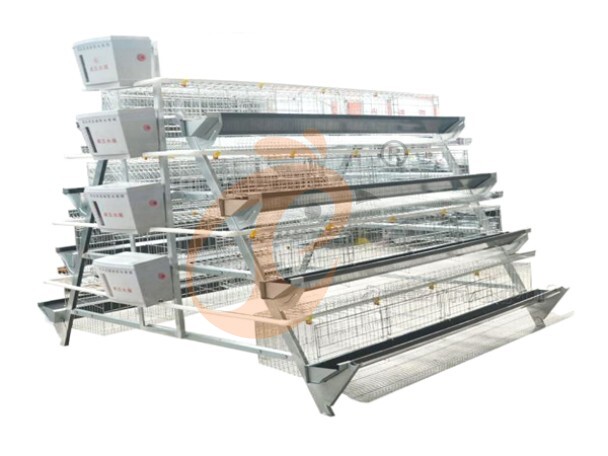
5. Reception /WhatsApp NO. : +8618830120193Read More Semi Automatic A Type Layer Battery Cage System1. 1,00-10,000+ layers/house chooses it
2. Egg breakage rate≤ 0.5%
3. Mesh spacing 2.5×2.5 cm
4. Egg collection floor slope 7–8°
5. Reception /WhatsApp NO. : +8618830120193Read More